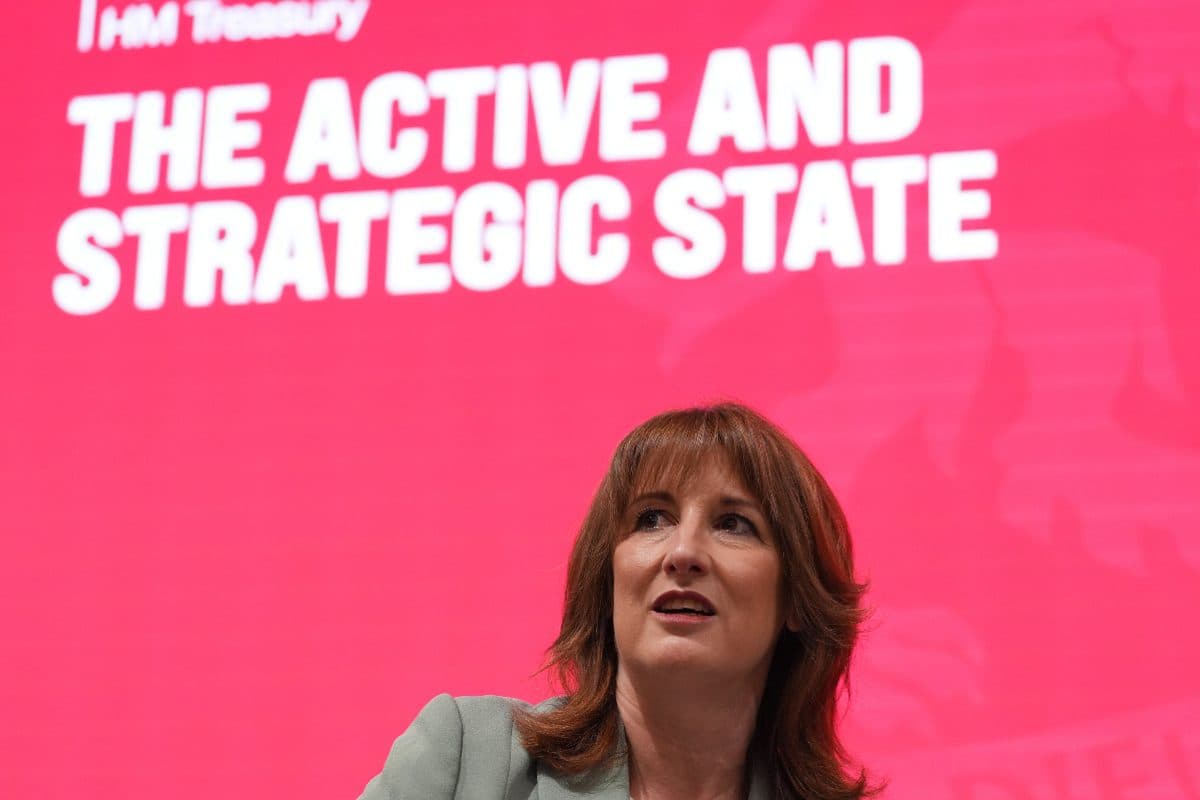
Unemployment to Peak at 5.8 per Cent as Jobs Market Faces ‘Biggest Hit’ Since Pandemic
Why It Matters
Rising unemployment and near‑double‑target inflation threaten consumer spending and corporate investment, forcing policymakers to balance recession risks with monetary tightening.
Key Takeaways
- •Item Club forecasts UK unemployment hitting 5.8% by mid‑2027
- •Energy price surge from Iran‑Hormuz conflict drives job market hit
- •UK growth expected to stall at 0.7% in 2026
- •BICS to support 10,000 firms, cutting bills up to 25%
- •Inflation near 4% in 2026, double BoE target, limiting cuts
Pulse Analysis
The fallout from the Iran‑Houthi confrontation has reverberated far beyond the Middle East, sending crude oil prices above $118 per barrel and inflating UK energy costs. Higher utility bills erode corporate margins and household disposable income, creating a feedback loop that depresses demand. Analysts see the UK’s GDP flattening at 0.7% in 2026, a stark slowdown that mirrors the post‑pandemic slump and raises the spectre of a technical recession. This macro backdrop is reshaping risk assessments across sectors, from manufacturing to services, as firms brace for tighter profit constraints.
Labour market dynamics are equally unsettling. The Item Club’s projection of a 5.8% unemployment rate by mid‑2027 translates to roughly a quarter‑million job losses, the steepest rise among G7 economies. In response, the Treasury plans to broaden the British Industrial Competitiveness Scheme to cover 10,000 firms, promising up to a 25% reduction in energy bills. While the scheme offers a targeted relief valve, its delayed rollout—effective only next year—means many businesses will navigate the peak of the downturn without immediate support, potentially accelerating layoffs and slowing hiring.
Inflationary pressure compounds the dilemma. With consumer price growth expected to hover near 4% in late 2026, the Bank of England faces a dilemma: maintain a restrictive stance to curb price gains or ease rates to stimulate a faltering economy. The prevailing view is a cautious hold, postponing cuts until inflation shows a clear downward trend. This policy stance will influence borrowing costs for households and firms, shaping investment decisions and the broader recovery trajectory. Stakeholders must therefore monitor energy market developments, fiscal interventions, and monetary policy cues to gauge the depth and duration of the UK’s economic headwinds.
Unemployment to peak at 5.8 per cent as jobs market faces ‘biggest hit’ since pandemic
Comments
Want to join the conversation?
Loading comments...