Companies Mentioned
Why It Matters
Resuming U.S.–Iran talks could de‑escalate a volatile geopolitical flashpoint, reducing risk premiums and supporting continued equity strength. The market’s optimism underscores how technology and AI narratives can outweigh short‑term geopolitical headwinds.
Key Takeaways
- •U.S. and Iran target next‑week talks under a 14‑point MOU
- •Iran rejects any nuclear material transfer during negotiations
- •U.S. plans to partially lift blockade for 30‑day period
- •Nasdaq up >5% this week, driven by AI hype
Pulse Analysis
The prospect of renewed U.S.–Iran diplomacy marks a rare opening in a conflict that has dominated headlines since early 2024. Both sides are working with undisclosed mediators to outline a 14‑point memorandum that would set the rules for a month‑long negotiation window. While Tehran maintains a hard line against any transfer of nuclear material, Washington’s willingness to "wind back" its naval blockade signals a calibrated approach aimed at building trust without conceding core strategic interests. Analysts view the MOU as a potential stepping stone toward a broader de‑escalation, though many details remain unsettled, including verification mechanisms and timelines.
Equity markets have responded with pronounced optimism, as the Nasdaq posted a more than 5% weekly gain and the S&P 500 rose 0.8% on the day. The rally is anchored by a wave of enthusiasm for artificial‑intelligence breakthroughs, amplified by recent hyperscaler capital‑expenditure announcements and the Claude Mythos data leaks that have heightened expectations for AI‑driven productivity gains. This tech‑centric momentum has helped offset traditional risk aversion linked to geopolitical uncertainty, pushing investors toward growth‑oriented stocks despite a softer U.S. dollar and declining Treasury yields.
Nevertheless, the situation remains fragile. Friday’s historical pattern of surprise moves in conflict zones suggests that any setback in the negotiation process could quickly reverse market sentiment. Investors should monitor the evolution of the MOU, the scope of the blockade reduction, and macro indicators such as wage growth and non‑farm payrolls, which continue to influence bond yields. A successful diplomatic breakthrough could cement a lower‑risk environment, while a collapse would likely reignite volatility across equities, commodities, and currency markets, underscoring the importance of diversified exposure in an unpredictable geopolitical landscape.
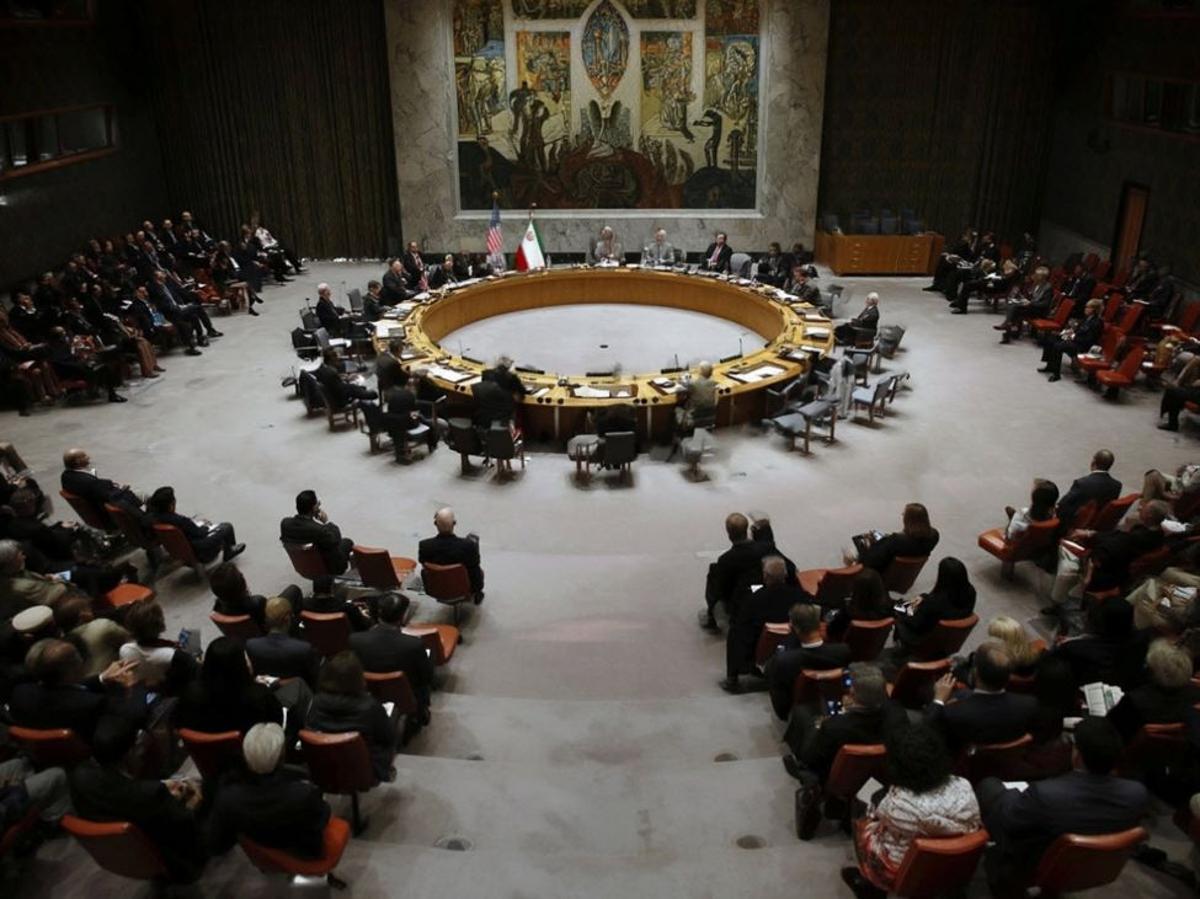
US and Iran could resume talks next week -- report
Comments
Want to join the conversation?
Loading comments...