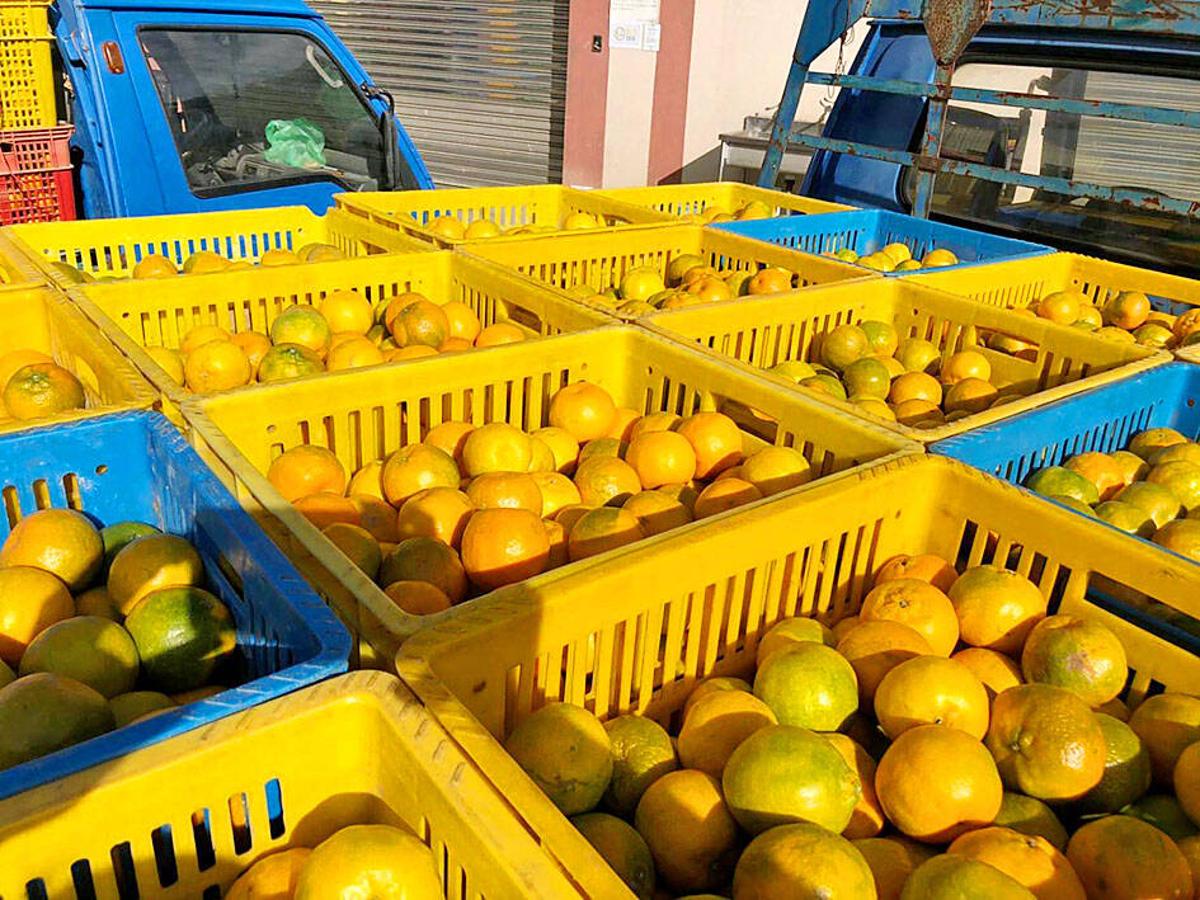
US Citrus Imports Would Not Affect Domestic Supply
Why It Matters
The analysis reassures stakeholders that reduced tariffs will not erode Taiwan's citrus sector, preserving farmer livelihoods and market stability while signaling limited growth opportunities for U.S. exporters.
Key Takeaways
- •US tangerine imports average 1,115 tonnes annually, 1% of Taiwan's consumption
- •Import season (Mar‑May) does not overlap Taiwan's harvest window
- •US tangerines cost ≈ $2.90/kg, still above local $1.40/kg
- •Duty could fall to 10%, but price gap remains sizable
- •Taiwan aims to boost domestic citrus via traceability and premium zones
Pulse Analysis
The Taiwan‑U.S. Agreement on Reciprocal Trade has sparked speculation that lower tariffs could flood the island’s market with cheap American tangerines. However, data from the Agriculture and Food Agency show that total tangerine imports have hovered around 6,081 tonnes over the past five years, with U.S. shipments accounting for just 1,115 tonnes—roughly one percent of domestic demand. Because these imports arrive between March and May, they fill a seasonal gap rather than directly competing with Taiwan’s own harvest, which peaks later in the year. This timing, combined with a pronounced price differential—U.S. fruit costs about NT$94 per kilogram (≈ $2.90) versus the local farm‑gate price of NT$45 per kilogram (≈ $1.40)—means the market impact is inherently limited.
Beyond timing and price, Taiwanese consumers exhibit a strong preference for locally grown citrus, valuing freshness, flavor, and supply reliability. The ministry’s emphasis on traceability certification and the development of high‑quality production zones underscores a strategic push to differentiate domestic produce from imports. Even if the tariff were reduced to 10%, the price advantage for U.S. tangerines would shrink only modestly, leaving them still considerably more expensive than home‑grown alternatives. This protective stance helps safeguard farmer incomes and maintains the stability of Taiwan’s citrus supply chain, which is crucial for both domestic consumption and export aspirations.
For U.S. growers, the findings suggest that while the trade agreement opens a door, the real opportunity lies in niche segments such as premium or off‑season varieties that can command higher prices. Diversifying into value‑added products or targeting specialty retailers may yield better returns than pursuing volume sales against entrenched local competitors. Meanwhile, Taiwan’s broader agricultural policy—focusing on quality, traceability, and regional branding—signals a continued commitment to bolstering its domestic agri‑food sector in the face of global trade shifts.
US citrus imports would not affect domestic supply
Comments
Want to join the conversation?
Loading comments...