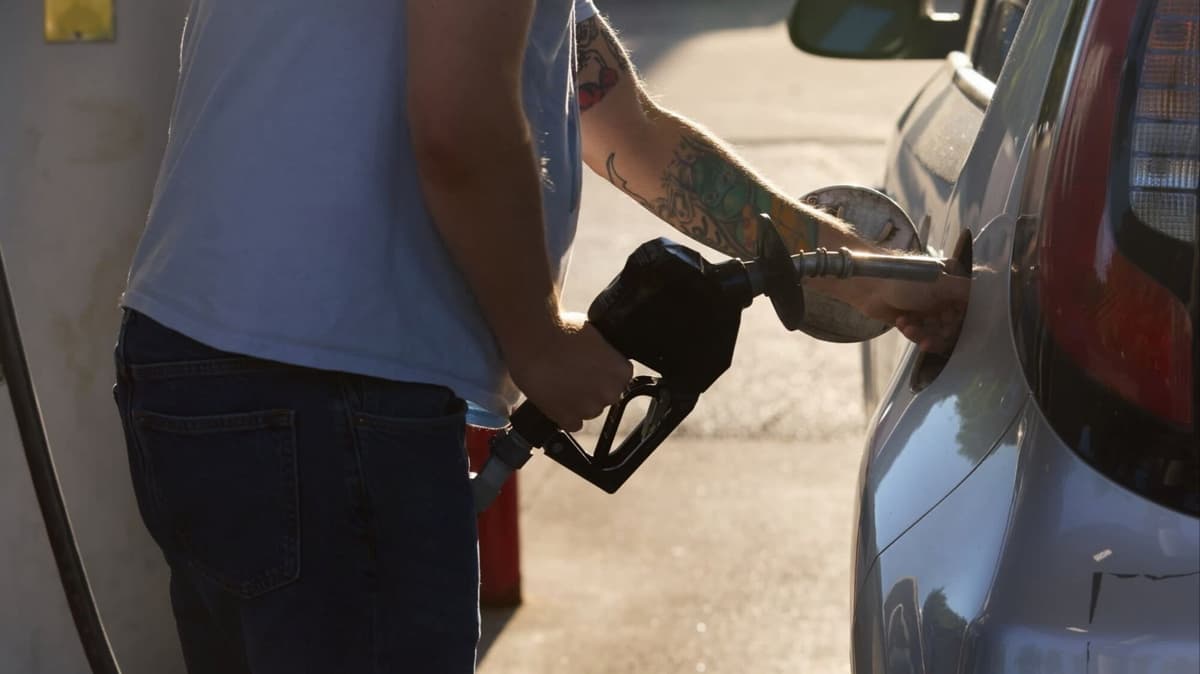
US Considers Suspending Fuel Tax as Iran War Pushes up Prices
Why It Matters
Removing the fuel tax would provide immediate relief to motorists while reducing a key revenue stream, forcing policymakers to balance short‑term consumer aid against long‑term fiscal health.
Key Takeaways
- •Federal gasoline tax equals 18.4 cents per gallon
- •Oil prices surged after Iran‑Israel escalation
- •Proposed suspension could last six months
- •Revenue loss estimated at $5 billion annually
- •Bipartisan effort tied to upcoming midterms
Pulse Analysis
The debate over suspending the federal gasoline tax reflects a broader tension between inflation mitigation and fiscal responsibility. As the Israel‑Iran conflict pushes Brent crude above $100 a barrel, U.S. pump prices have climbed to multi‑year highs, squeezing household budgets. By pausing the 18.4‑cent excise levy, lawmakers aim to shave a few dollars off each fill‑up, a politically attractive gesture that could sway swing voters ahead of the 2026 mid‑term elections. However, the tax historically funds the Highway Trust Fund, and a prolonged suspension could exacerbate the fund’s chronic shortfall.
Economists note that the tax’s removal would provide modest, short‑term consumer relief but would not address the underlying supply‑side shock driving fuel costs. The $5 billion revenue gap would likely be offset by borrowing or reallocating funds from other programs, potentially increasing the federal deficit. Moreover, the temporary nature of the proposal raises questions about implementation logistics, such as how quickly pumps could adjust pricing and whether state-level taxes would remain unchanged.
Industry observers also point to the political calculus behind the move. Bipartisan sponsors see the suspension as a tangible win for constituents burdened by rising transportation costs, especially in regions heavily dependent on driving. Yet critics warn that relying on tax holidays as a stopgap can create expectations for future relief, complicating long‑term budget planning. As the conflict in the Middle East evolves, policymakers will need to weigh the immediate benefits of a fuel‑tax pause against the structural financing needs of America’s road and bridge infrastructure.
US considers suspending fuel tax as Iran war pushes up prices
Comments
Want to join the conversation?
Loading comments...