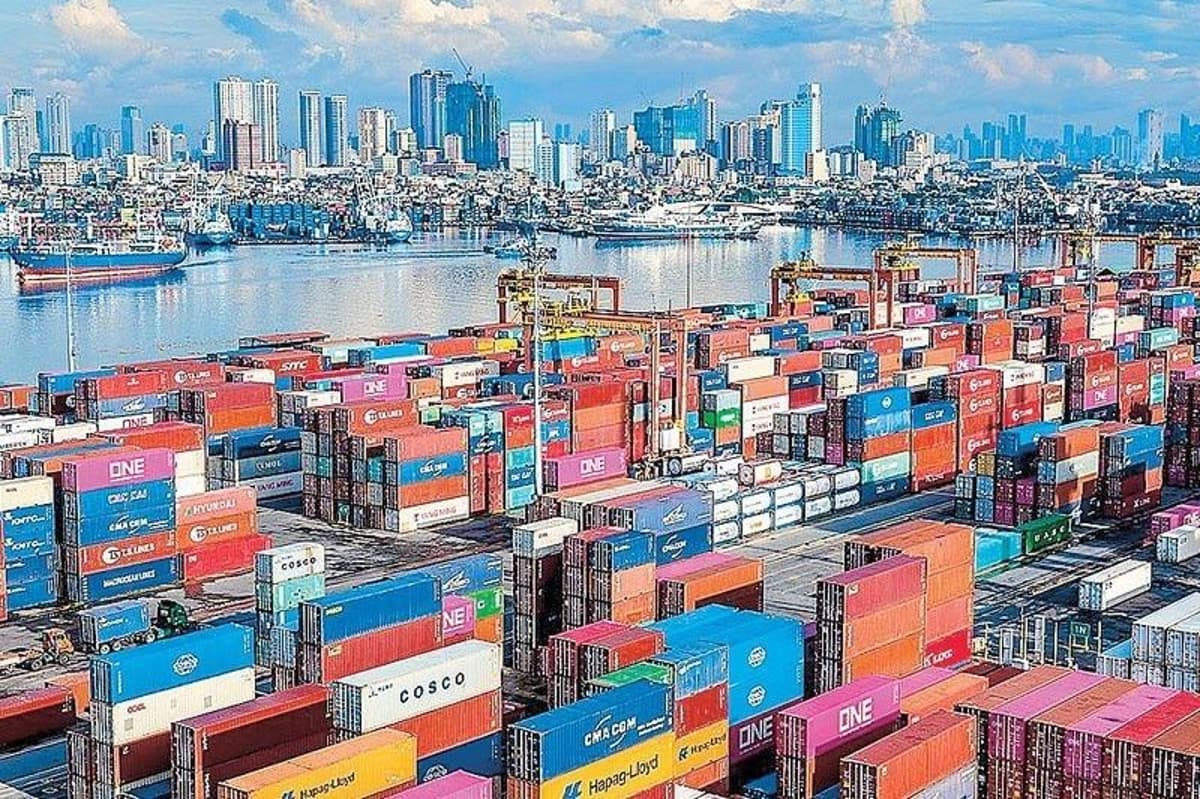
US Eyes New Tariffs on Phlilippines 59 Countries
Why It Matters
The move signals heightened U.S. enforcement of labor standards, threatening market access for exporters that fail to certify supply‑chain integrity. It also pressures trading partners to strengthen forced‑labor safeguards, reshaping global trade dynamics.
Key Takeaways
- •USTR proposes 10‑12.5% tariffs on 60 economies for forced labor
- •Philippines faces at least 10% additional duty, beyond existing baseline
- •Comment period ends July 6; hearings scheduled for July 7
- •USTR cites unfair competition for American workers
- •Philexport urges targeted measures, not blanket tariffs
Pulse Analysis
The United States is escalating its forced‑labor enforcement by targeting 60 countries, including the Philippines, with proposed tariffs ranging from 10 to 12.5 percent. This initiative follows a March‑launched probe that found many trading partners lack effective prohibitions against goods produced under coercive conditions. By linking tariff policy directly to labor standards, the U.S. aims to level the playing field for American workers and deter supply‑chain abuses that have long been a hidden cost of low‑price imports.
For the Philippines, the proposal arrives amid an already elevated tariff environment. After the Supreme Court struck down a reciprocal 19 percent duty earlier this year, the country now faces a baseline 10 percent tariff on most exports to the United States. The new USTR measure could add another 10 percent layer, squeezing margins for key sectors such as electronics, apparel, and agricultural products. Industry groups like Philexport stress that many exporters have adopted responsible sourcing practices, warning that a blanket tariff could penalize compliant firms while failing to address the root causes of forced labor.
Globally, the USTR’s stance underscores a shift toward trade policies that embed human‑rights considerations. Companies worldwide will need to invest in traceability, third‑party audits, and transparent reporting to avoid punitive duties. Nations lagging in enforcement may confront similar measures, prompting a race to upgrade labor legislation and enforcement mechanisms. As the comment deadline approaches, stakeholders are poised to influence the final rules, but the broader message is clear: trade advantages will increasingly hinge on demonstrable respect for workers’ rights.
US eyes new tariffs on Phlilippines 59 countries
Comments
Want to join the conversation?
Loading comments...