US Moves to Further Increase Economic Pressure on Iranian Oil Trade
Why It Matters
The sanctions further choke Iran’s primary revenue stream, limiting funds for its missile and nuclear programs while raising stakes for regional stability and U.S. diplomatic leverage.
Key Takeaways
- •OFAC sanctioned 12 individuals and entities linked to IRGC oil sales
- •Sanctions froze nearly $500 million in regime‑linked cryptocurrency
- •Iran has not exported crude by sea for 28 consecutive days
- •Kharg Island has not loaded any tankers since May 6
- •CIA estimates Iran can endure the blockade for 3‑4 months
Pulse Analysis
The United States has intensified its ‘Economic Fury’ campaign against Tehran, a strategy that blends financial sanctions with maritime interdiction to starve the Islamic Revolutionary Guard Corps of oil revenues. By designating 12 new actors—many operating out of Hong Kong and Dubai—Treasury’s OFAC is striking at the network of front companies that mask Iranian ownership of crude shipments to China. This latest round follows a series of measures that have already disrupted billions of dollars in projected oil income and frozen half a billion dollars in regime‑linked cryptocurrency, signaling a broader shift toward targeting Iran’s shadow banking ecosystem.
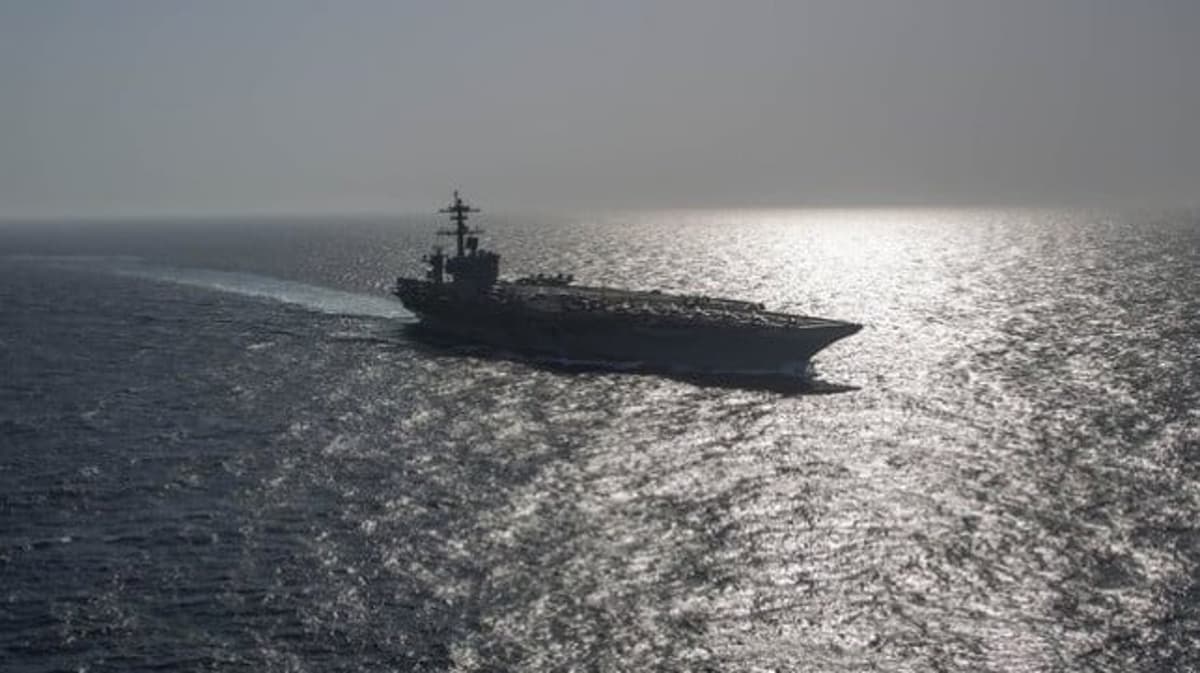
The practical effect of the sanctions is already visible on the water. TankerTrackers.com confirmed that Iran has not moved any crude by sea for 28 consecutive days, and Kharg Island, the country’s main export hub, has not loaded a single tanker since early May. The U.S. Central Command’s redirection of a Greek‑owned vessel carrying Iraqi oil illustrates how the naval blockade is being enforced beyond Iranian‑flagged ships. By choking the physical flow of oil and immobilizing digital assets, Washington is squeezing two of Tehran’s most resilient revenue channels simultaneously.
While the pressure appears to be working, analysts caution that Iran retains enough missile stockpiles and mobile launchers to sustain a deterrent posture for several months. The CIA’s estimate of a three‑ to four‑month endurance window suggests the blockade could become a decisive bargaining chip if diplomatic channels reopen. However, prolonged restrictions risk pushing Iran toward alternative markets or deepening its reliance on illicit networks, potentially destabilizing regional trade patterns. For U.S. policymakers, the challenge lies in calibrating economic force to compel negotiations without igniting a broader escalation.
US Moves to Further Increase Economic Pressure on Iranian Oil Trade
Comments
Want to join the conversation?
Loading comments...