US Revises UN Resolution on Iran but China, Russia Still Expected to Veto
Why It Matters
The likely veto highlights the limits of U.N. consensus in curbing Iranian maritime aggression and raises the prospect of unilateral U.S. actions, affecting global oil security and diplomatic relations with China and Russia.
Key Takeaways
- •US removed Chapter VII clause but kept sanctions language
- •China and Russia signal continued veto despite draft changes
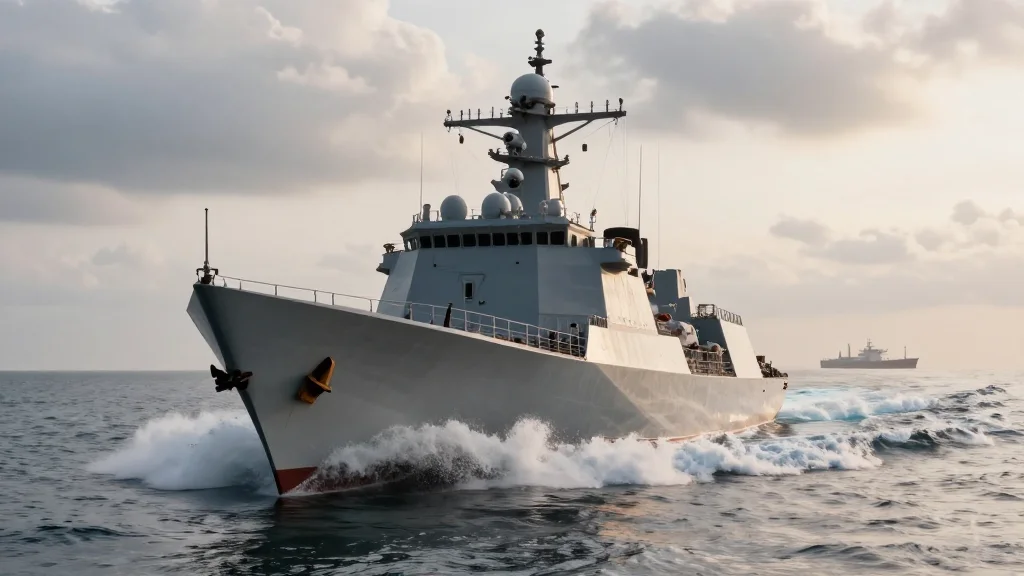
- •Resolution seeks to safeguard navigation in the Strait of Hormuz
- •Veto risk limits US leverage over Iran through the UN
- •Trump's China trip may face heightened tension over Iran issue
Pulse Analysis
The Strait of Hormuz carries roughly a fifth of the world’s oil, making any disruption a flashpoint for global markets. Over the past weeks Iran has escalated attacks on commercial vessels and deployed naval mines, prompting Washington to draft a new U.N. Security Council resolution. The revised text, released on May 8, strips the controversial Chapter VII reference that would have opened the door to collective military action, but it retains strong language condemning the attacks and calls for future sanctions if Tehran does not comply.
China and Russia, permanent members with veto power, have already demonstrated their willingness to block any measure they view as one‑sided. Both capitals objected to the original draft’s implicit threat of force, and the removal of Chapter VII did not satisfy their security concerns. Their continued opposition signals that the resolution will likely be vetoed again, despite U.S. diplomatic pressure. The timing is delicate, as President Trump is slated to visit Beijing next week, where the Iran question is expected to dominate bilateral talks and test the resilience of the U.N. process.
The stalemate leaves Washington with limited multilateral tools to curb Iran’s maritime aggression. Analysts warn that prolonged vetoes could push the United States toward unilateral naval deployments or expanded sanctions administered through secondary jurisdictions. Energy traders are already pricing in heightened risk premiums for crude flowing through the Gulf, which could ripple into higher gasoline prices worldwide. In the longer term, the episode underscores the fragility of the Security Council’s consensus model and may accelerate calls for reform or alternative security frameworks in the Middle East.
US revises UN resolution on Iran but China, Russia still expected to veto
Comments
Want to join the conversation?
Loading comments...