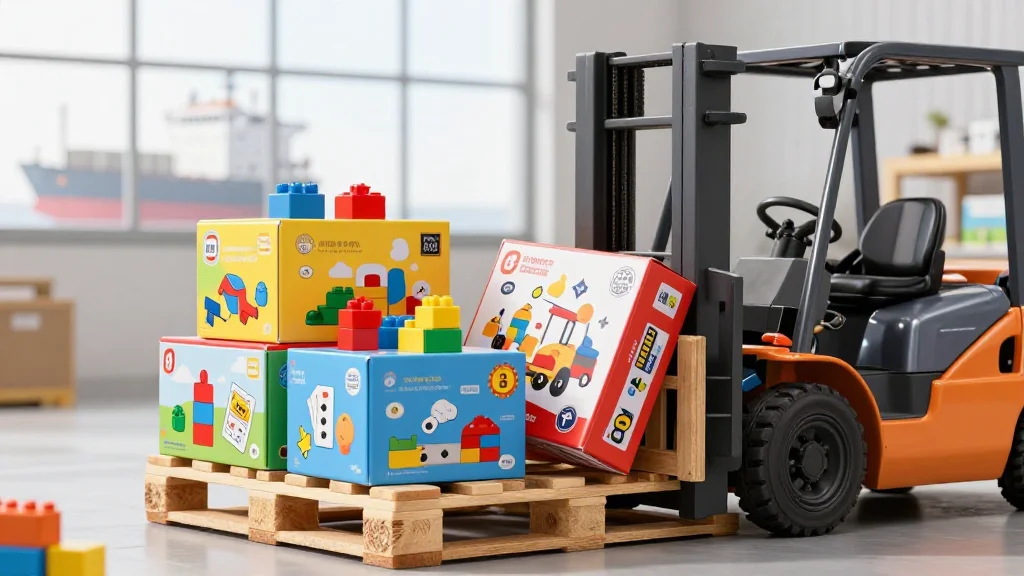
US Toymakers Absorbing Tariff Costs, Importing Less to Preserve Sales
Why It Matters
Absorbing tariffs safeguards price competitiveness and supports market share growth, signaling how trade policy pressures reshape supply‑chain tactics in the U.S. toy sector.
Key Takeaways
- •Toy sales rose 6% in 2025 despite reduced import volumes.
- •Manufacturers absorbed higher tariffs instead of raising retail prices.
- •Import volume of containerized toys fell sharply year‑over‑year.
- •Games, puzzles, building sets, and trading cards drove growth.
Pulse Analysis
The United States has maintained a series of punitive tariffs on imported toys, primarily targeting Chinese manufacturers, since 2022. Those duties, which can reach 15‑25 percent depending on product classification, have forced domestic toy companies to reassess their cost structures. By deliberately cutting back on containerized shipments, firms reduced exposure to the tariff levy while still meeting demand through inventory management and diversified sourcing. This strategic import contraction helped preserve profit margins without triggering a price shock for shoppers.
Absorbing the tariff hit rather than passing it on aligns with the industry’s price‑sensitivity, especially in the highly competitive toy segment where parents quickly switch brands. Analysts estimate that the average margin compression from tariffs could have added 2‑3 percentage points to retail prices, but manufacturers chose to absorb that cost, betting on volume growth from high‑margin categories such as board games and collectible card sets. The approach also shields retailers from inventory shortages, maintaining shelf space for fast‑moving items and supporting the 6 % sales uplift recorded in 2025.
Looking ahead, the tariff‑driven import reduction may prompt US toymakers to invest in domestic production or seek lower‑cost partners in Southeast Asia, where duty rates are more favorable. If the trade environment remains volatile, companies could adopt more aggressive hedging or pass‑through pricing, potentially eroding the price advantage that fueled the recent sales surge. For investors and supply‑chain managers, the current strategy signals a short‑term commitment to market share preservation, but it also raises questions about long‑term profitability and the resilience of the U.S. toy market.
US toymakers absorbing tariff costs, importing less to preserve sales
Comments
Want to join the conversation?
Loading comments...