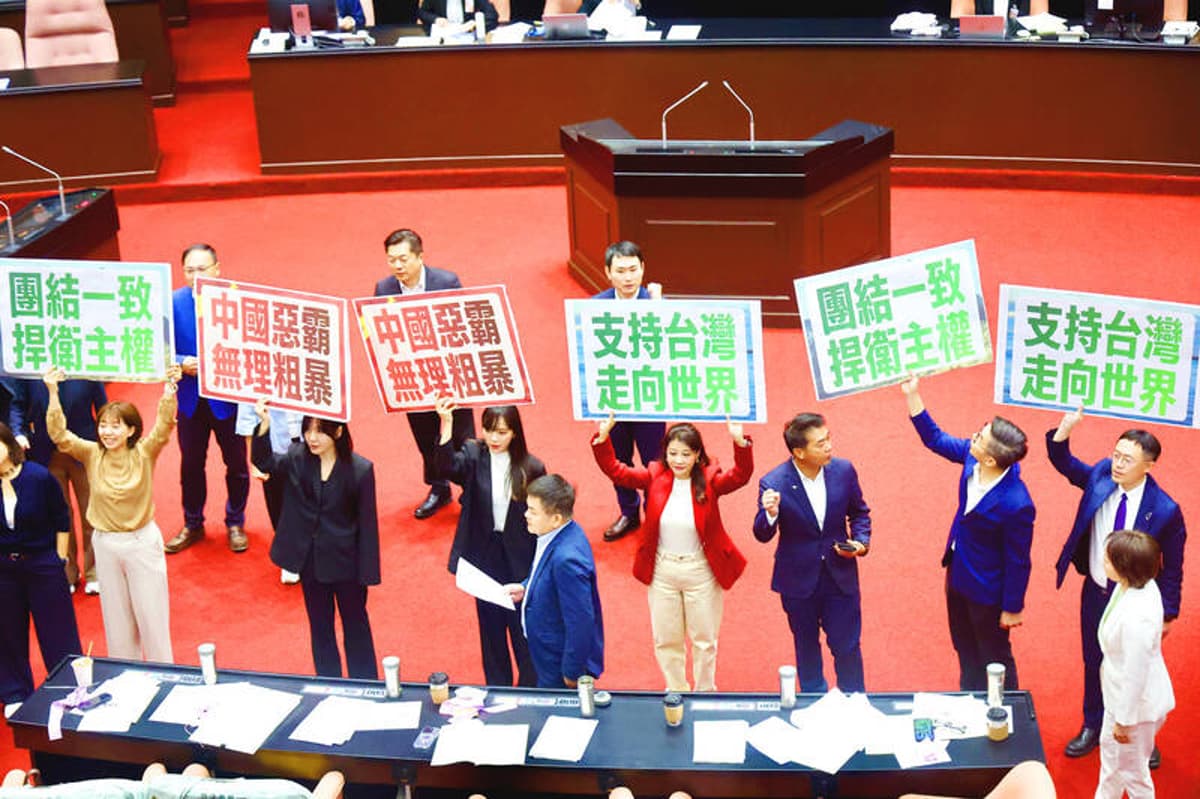
US Urged to Act over Chinese Pressure
Why It Matters
China’s ability to enlist third‑party states to block Taiwan’s international engagement threatens regional stability and challenges US influence in aid and security policy. The episode underscores escalating geopolitical competition over diplomatic legitimacy and airspace rights.
Key Takeaways
- •China pressured three African nations to deny Taiwan airspace
- •US lawmakers propose freezing $100 million aid to Madagascar
- •US may sanction Mauritius and block Seychelles from visa waiver program
- •Taiwan president William Lai's Eswatini visit suspended over overflight bans
- •Japan joins US in condemning China's coercive tactics in civil aviation
Pulse Analysis
China’s diplomatic leverage is increasingly manifesting in the aviation sector, where it has persuaded Mauritius, Seychelles and Madagascar to deny airspace to Taiwan’s president. By blocking overflight routes, Beijing not only disrupts a high‑profile state visit but also signals to other nations that compliance with its geopolitical agenda can yield tangible benefits. This tactic aligns with a broader strategy to isolate Taiwan on the world stage, leveraging economic and political incentives to coerce smaller states into supporting its One‑China narrative.
In Washington, the response has moved from rhetoric to concrete policy proposals. Representative Tom Tiffany’s letter to Secretary of State Marco Rubio called for a freeze on more than $100 million in US aid to Madagascar, a travel ban on Mauritius, and the removal of Seychelles from the Visa Waiver Program. These measures aim to penalize countries that bend to Beijing’s pressure and to deter future compliance. The actions reflect a growing willingness within the US to tie aid and security benefits to adherence to civil‑aviation norms and democratic principles, signaling a tougher stance in the US‑China rivalry.
International allies are echoing US concerns. Japanese Representative Keiji Furuya highlighted the shared interest in transparent, safe aviation and condemned the heavy‑handed use of political pressure. Such unified criticism reinforces Taiwan’s claim to sovereign diplomatic engagement and underscores the importance of multilateral support for civil‑aviation standards. As Taiwan seeks alternative routes and partners for future visits, the episode may prompt a reevaluation of regional airspace agreements and encourage a coordinated response to curb Beijing’s coercive diplomacy.
US urged to act over Chinese pressure
Comments
Want to join the conversation?
Loading comments...