US Vice President JD Vance Leads Failed 21‑Hour Iran Talk in Islamabad, Leaving Oil Markets on Edge

Why It Matters
The failure of the Islamabad talks leaves the Strait of Hormuz—a conduit for one‑fifth of global oil—shrouded in uncertainty, keeping crude prices elevated and feeding inflation worldwide. A prolonged stalemate could force oil‑importing economies to grapple with higher transport costs, eroding consumer purchasing power and slowing growth, while also limiting Iran’s ability to access frozen assets needed for economic stabilization. Beyond energy, the diplomatic deadlock highlights the limits of high‑level pressure tactics in resolving deep‑seated security disputes. Without a nuclear commitment from Iran, the United States faces a protracted strategic dilemma: continue costly military posturing or seek a negotiated compromise that may require significant economic concessions. The outcome will shape regional stability, global supply‑chain resilience, and the broader trajectory of U.S. foreign‑policy credibility.
Key Takeaways
- •U.S. Vice President JD Vance led a 21‑hour delegation to Islamabad; talks ended without an agreement
- •Iran refused a "fundamental commitment" to abandon nuclear weapons development
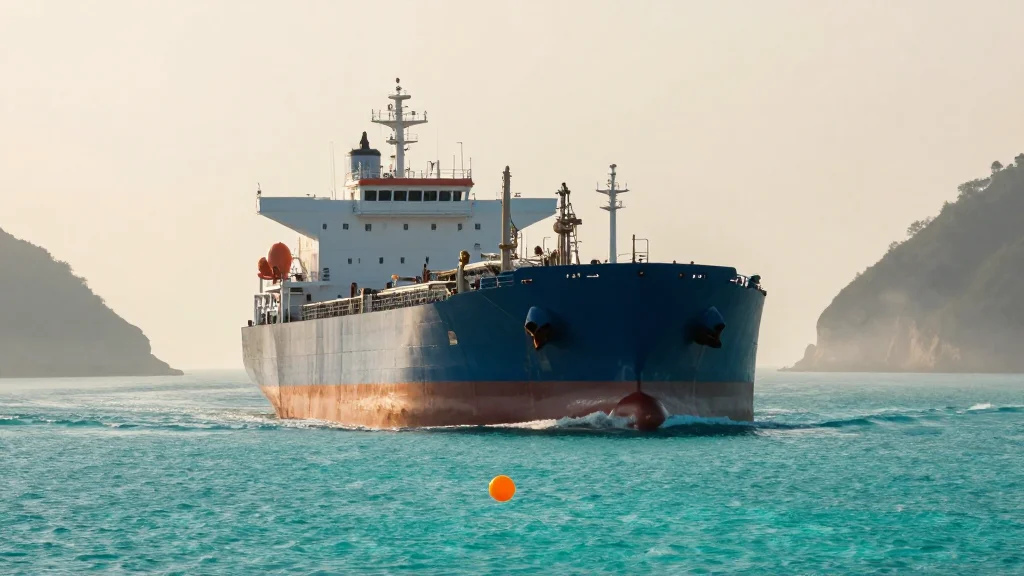
- •Strait of Hormuz carries ~20% of global oil; U.S. warships transited to show safe passage
- •Brent crude steadied near $96 per barrel after earlier spikes above $110
- •Around $6 billion of Iranian assets remain frozen, a key economic lever in negotiations
Pulse Analysis
The Islamabad talks underscored a classic diplomatic paradox: both sides possess leverage but lack the appetite to trade it. For Washington, the red line is clear—no nuclear breakthrough without a binding Iranian pledge—yet the cost of maintaining a naval presence in the Hormuz corridor and the domestic pressure from rising fuel prices are mounting. Iran, battered by extensive airstrikes, can still weaponize its control of a critical oil chokepoint, forcing the United States to weigh the economic fallout of a prolonged closure against the political cost of conceding to Tehran’s demands.
Historically, similar deadlocks have produced temporary cease‑fires that merely postponed deeper negotiations, as seen after the 2003 Iraq war and the 2015 Iran nuclear deal. The current impasse is likely to follow that pattern: a short‑term de‑escalation that keeps oil markets from a full‑blown panic, but without a durable framework, price volatility will persist. Market participants are already pricing in a risk premium, evident in Brent’s $96‑plus level, which translates into higher freight rates and downstream cost pressures for manufacturers worldwide.
Looking forward, the 14‑day deadline creates a narrow window for diplomatic creativity. A pragmatic approach might involve a phased unfreezing of Iranian assets—perhaps $1‑2 billion at a time—tied to verifiable steps such as limited naval de‑mining and partial compliance with IAEA inspections. Such a step‑wise model could lower the immediate economic shock while preserving the United States’ strategic leverage. If both sides miss this chance, the next round of negotiations will likely be conducted under the shadow of renewed military action, which would reignite oil price spikes and further strain the global economy.
US Vice President JD Vance Leads Failed 21‑Hour Iran Talk in Islamabad, Leaving Oil Markets on Edge
Comments
Want to join the conversation?
Loading comments...