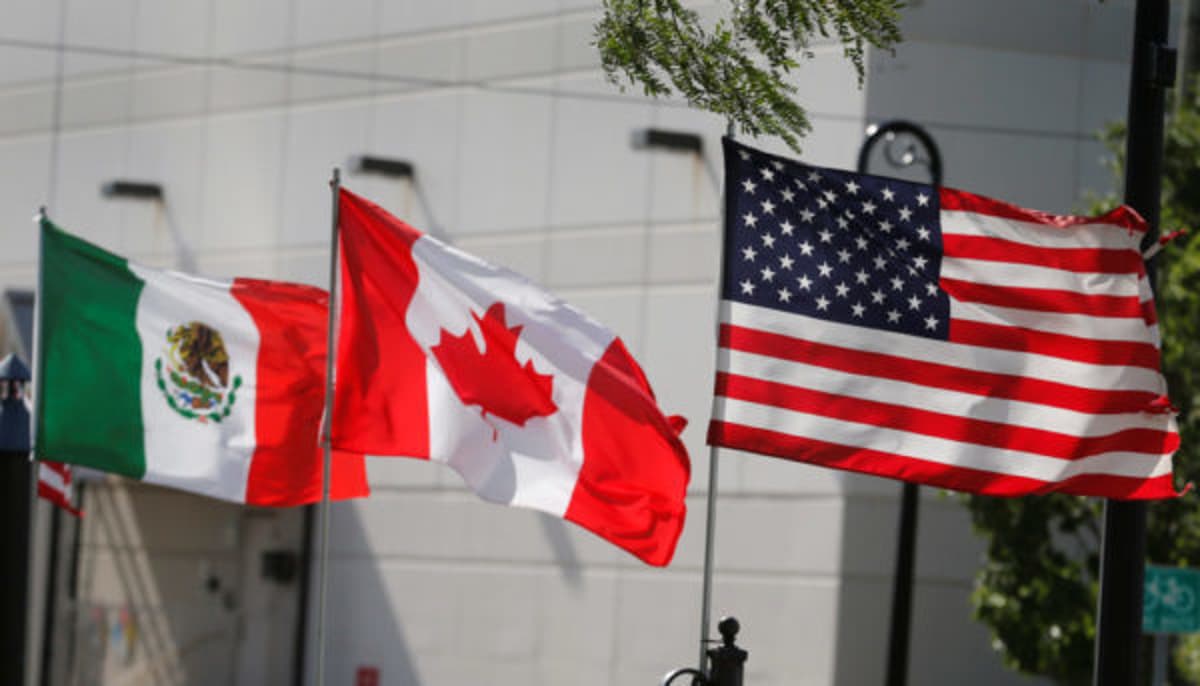
USTR Weighs in on USMCA Updates Prior to July Review
Why It Matters
If the USMCA is tightened around agricultural rules and enforcement, U.S. farm exporters could gain market access and supply‑chain resilience, while lax enforcement risks eroding those gains.
Key Takeaways
- •USTR seeks USMCA rule changes favoring American agriculture.
- •Focus on rules of origin and North American economic security.
- •House Ways and Means chair warns enforcement lapses hurt producers.
- •Canada appears less receptive to USTR overtures, risking deadline.
- •July summit will determine next steps before review deadline.
Pulse Analysis
The United States‑Mexico‑Canada Agreement, enacted in 2020, has become the cornerstone of North American trade, especially for the agricultural sector. While the pact eliminated many tariffs, its rules of origin—requirements that a certain percentage of a product’s value be sourced within the bloc—remain a point of contention for U.S. farmers seeking to expand exports of corn, soy and livestock. By tightening these provisions, the USTR hopes to lock more production into the region, enhancing economic security and reducing reliance on distant supply chains that have proven vulnerable during recent disruptions.
Congressional scrutiny has intensified as lawmakers observe that promised trade gains are not always materializing. Chairman Jason Smith’s remarks during the Ways and Means Committee hearing underscore a broader concern: without robust enforcement, partner countries can sidestep commitments, leaving American producers at a competitive disadvantage. The criticism aligns with industry data showing that U.S. farm exports have plateaued, prompting calls for clearer compliance mechanisms and dispute‑resolution tools that can swiftly address violations.
The upcoming July summit will be a litmus test for the trilateral partnership. While Mexico appears cooperative, Canadian officials have signaled hesitancy toward the U.S. overtures, potentially jeopardizing the timeline for any amendments. Should negotiations stall, the United States may consider unilateral adjustments or seek alternative trade pathways, reshaping the strategic landscape for North American agriculture. Stakeholders are watching closely, as the outcome will influence everything from commodity pricing to regional investment in ag‑tech infrastructure.
USTR weighs in on USMCA updates prior to July review
Comments
Want to join the conversation?
Loading comments...