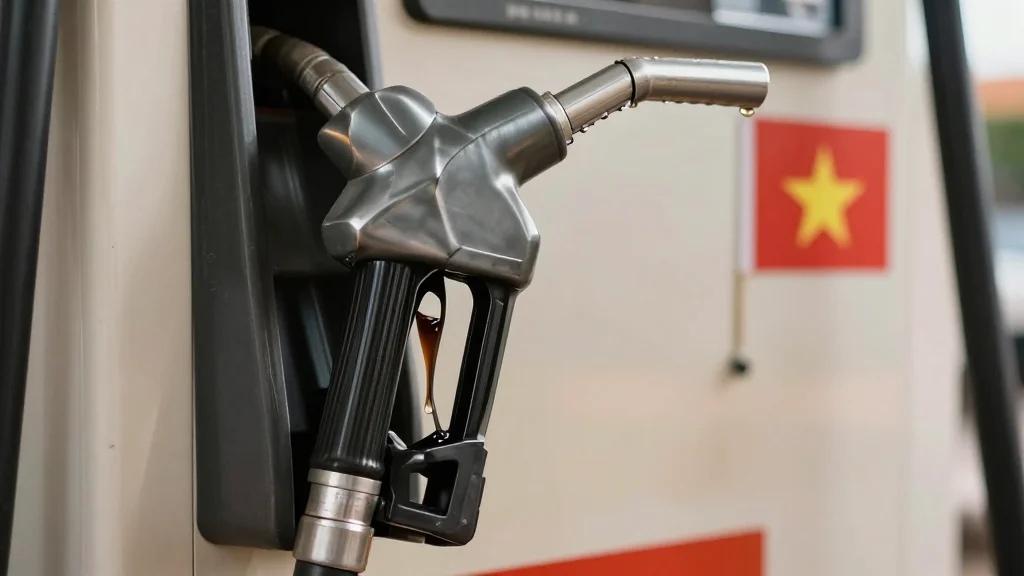
Vietnam Cuts All Fuel Taxes to Zero Through June
Why It Matters
The tax holiday eases inflationary pressure on households and businesses, supporting Vietnam's post‑pandemic recovery, but it also creates a sizable short‑term fiscal gap that the government must manage.
Key Takeaways
- •Fuel taxes zeroed from April 16‑June 30, covering gasoline, diesel, aviation fuel.
- •Monthly budget loss estimated at VND 7.3 trillion (~$277 million).
- •VAT, environmental, and special consumption taxes removed, input VAT still deductible.
- •Government adds VND 8 trillion to price‑stabilization fund.
- •Gasoline now ≈ $0.98/L, diesel ≈ $1.37/L, easing consumer costs.
Pulse Analysis
Vietnam’s decision to suspend all fuel‑related taxes through the end of June reflects a rapid policy response to soaring global energy costs and domestic inflation. By wiping out the 7.4% VAT, 2.7‑6% environmental protection levy and roughly 6.7% special consumption tax, the government aims to lower the retail price of gasoline, diesel and aviation fuel at a time when the Middle‑East conflict has pushed crude prices upward. The measure also signals a willingness to use fiscal tools to stabilize consumer sentiment and keep transport costs from eroding purchasing power.
The fiscal trade‑off is stark: the Treasury will forgo about VND 7.3 trillion—approximately $277 million—each month, a hit that could tighten public‑finance buffers if prolonged. To offset the revenue shortfall, Hanoi has earmarked an additional VND 8 trillion for its price‑stabilisation fund, effectively pre‑financing subsidies and cushioning the market. This approach mirrors other emerging economies that have tapped sovereign wealth or contingency funds to smooth volatile commodity prices, but it also raises questions about debt sustainability and the opportunity cost of diverting resources from infrastructure or social programs.
For businesses, the tax holiday translates into lower operating costs, especially for logistics firms and airlines that consume large fuel volumes. Consumers benefit from gasoline near $1 per litre and diesel around $1.40, which should temper inflation and sustain household spending. However, the temporary nature of the relief means firms must plan for a potential tax reinstatement later in the year. Observers will watch how quickly the policy is rolled back and whether the fiscal gap spurs broader tax reforms or a shift toward renewable energy incentives as Vietnam balances short‑term stability with long‑term fiscal health.
Vietnam cuts all fuel taxes to zero through June
Comments
Want to join the conversation?
Loading comments...