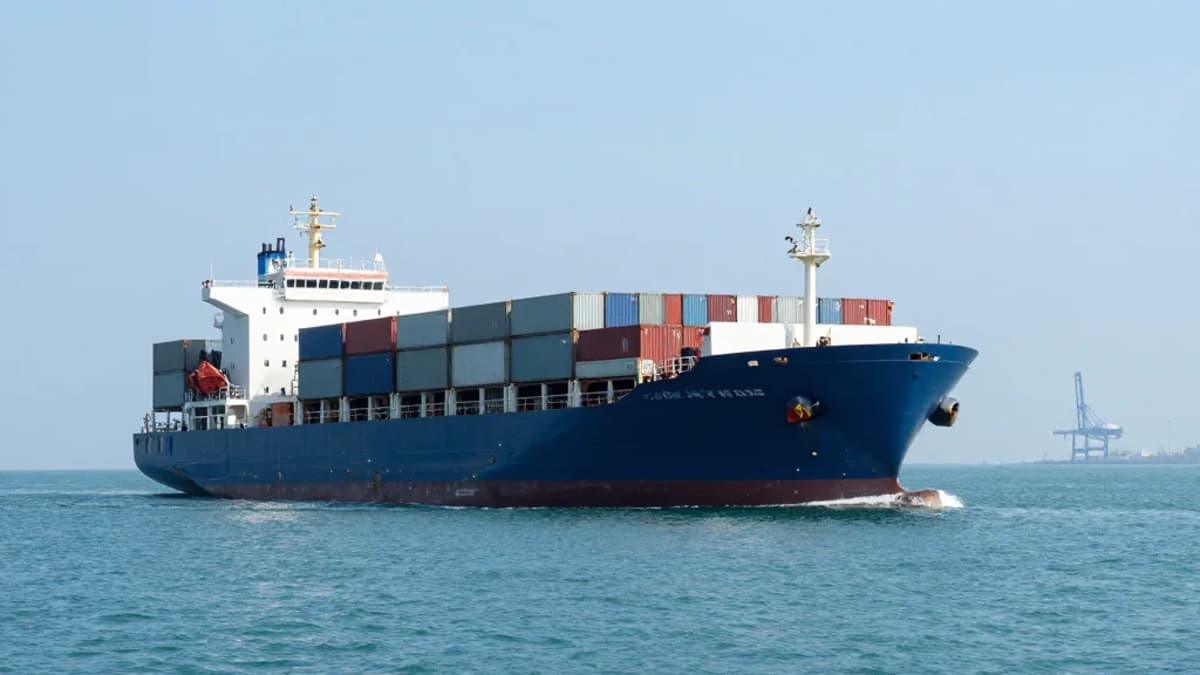
Vietnamese Exporters Face Rising Costs, Delays as Middle East Tensions Disrupt Red Sea
•March 3, 2026
0
Why It Matters
The disruptions raise Vietnam’s export costs and erode competitiveness, while also curtailing labor mobility and tourism revenue, pressuring the broader economy.
Key Takeaways
- •Red Sea disruptions add 15‑20 day shipping delays
- •Freight and insurance costs surge, squeezing export margins
- •Companies panic‑buy raw materials, draining working capital
- •Travel agencies halt Middle East tours amid security concerns
- •Government temporarily suspends labor deployment to Middle East
Pulse Analysis
The Red Sea has long been a vital conduit for Vietnamese goods bound for the Middle East and Europe. Recent air‑strike escalations have forced vessels to reroute around the Cape of Good Hope, inflating freight rates and extending transit times by weeks. For a country whose garment and machinery exports rely on just‑in‑time delivery, these added days translate into missed sales windows and higher inventory holding costs, prompting firms to renegotiate contracts and reassess pricing strategies.
Sector analysts note that the ripple effect extends beyond shipping. Garment manufacturers, who ship roughly 20% of output to Jordan, now face a potential 20‑day lag that could miss the Ramadan and back‑to‑school peaks. Mechanical‑electrical suppliers for Saudi power projects warn that freight surcharges could erode project margins, while fruit exporters grapple with higher refrigerated container fees and insurance premiums. The scramble to secure raw materials ahead of possible shortages is tying up working capital, threatening the price competitiveness that has driven Vietnam’s export growth over the past decade.
The logistical shock is also reshaping Vietnam’s ancillary services. Travel operators have halted tours to Dubai, Abu Dhabi and Egypt, and the Department of Overseas Labor Management has temporarily stopped worker deployments to the region, curbing a significant source of remittances. Companies are now exploring alternative routes through the Suez Canal or overland corridors via China and Laos, while policymakers consider incentives to diversify export markets. These adjustments aim to buffer the economy from geopolitical volatility and preserve Vietnam’s position in global supply chains.
Vietnamese exporters face rising costs, delays as Middle East tensions disrupt Red Sea
0
Comments
Want to join the conversation?
Loading comments...