War in Iran Is Causing Biggest Energy Crisis in History, IEA Says
Why It Matters
The convergence of Middle‑East hostilities and lingering Russia‑Ukraine fallout threatens global energy supplies, driving up prices and forcing governments and corporations to rethink security and diversification strategies.
Key Takeaways
- •IEA labels Iran-US-Israel war as biggest energy crisis ever
- •Strait of Hormuz blockage cuts ~20% of oil and LNG flow
- •Combined with Russia-Ukraine war, crisis exceeds 1973, 1979, 2022
- •IEA released record 400 million barrels from strategic reserves
- •Crisis pressures policymakers to fast‑track renewable and alternative fuels
Pulse Analysis
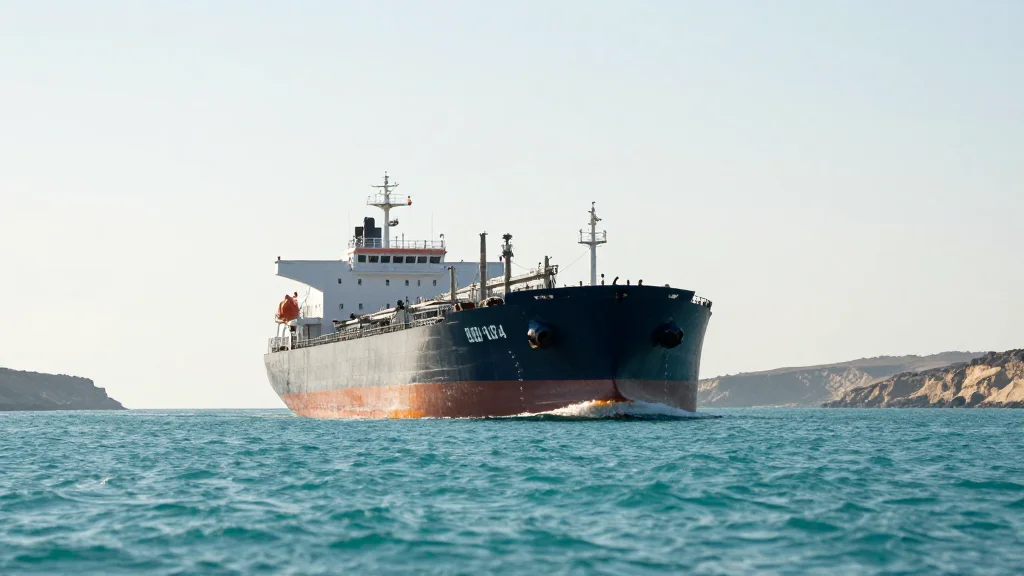
The escalation of hostilities between Iran, the United States and Israel has turned the Strait of Hormuz into a geopolitical choke point. Roughly one‑fifth of the world’s crude oil and liquefied natural gas passes through this narrow waterway, and recent missile threats and naval engagements have forced carriers to reroute or pause, inflating freight costs and tightening supply. Analysts estimate that even a brief shutdown could shave several million barrels per day from global markets, sending shockwaves through price benchmarks already strained by earlier disruptions.
That supply shock arrives on the heels of the Russia‑Ukraine conflict, which has already curtailed Russian gas pipelines to Europe and pushed utilities toward costlier alternatives. In response, the International Energy Agency tapped an unprecedented 400 million barrels from its emergency stockpiles, a move designed to blunt immediate price spikes but insufficient to offset the cumulative loss of flow from both fronts. The dual crises have driven Brent crude above $100 per barrel and lifted spot LNG rates to multi‑year highs, eroding profit margins for energy‑intensive manufacturers.
Policymakers now face a stark incentive to accelerate energy‑security strategies. Nations are revisiting strategic reserve policies, expanding domestic refining capacity, and fast‑tracking investments in renewables, hydrogen and carbon‑capture technologies. For investors, the heightened volatility underscores the appeal of diversified energy portfolios and the growing relevance of ESG‑aligned assets that can hedge against fossil‑fuel supply shocks. As the geopolitical landscape remains fluid, the IEA’s warning signals that the next wave of price turbulence could be more prolonged, reshaping global energy trade patterns for years to come.
War in Iran is causing biggest energy crisis in history, IEA says
Comments
Want to join the conversation?
Loading comments...