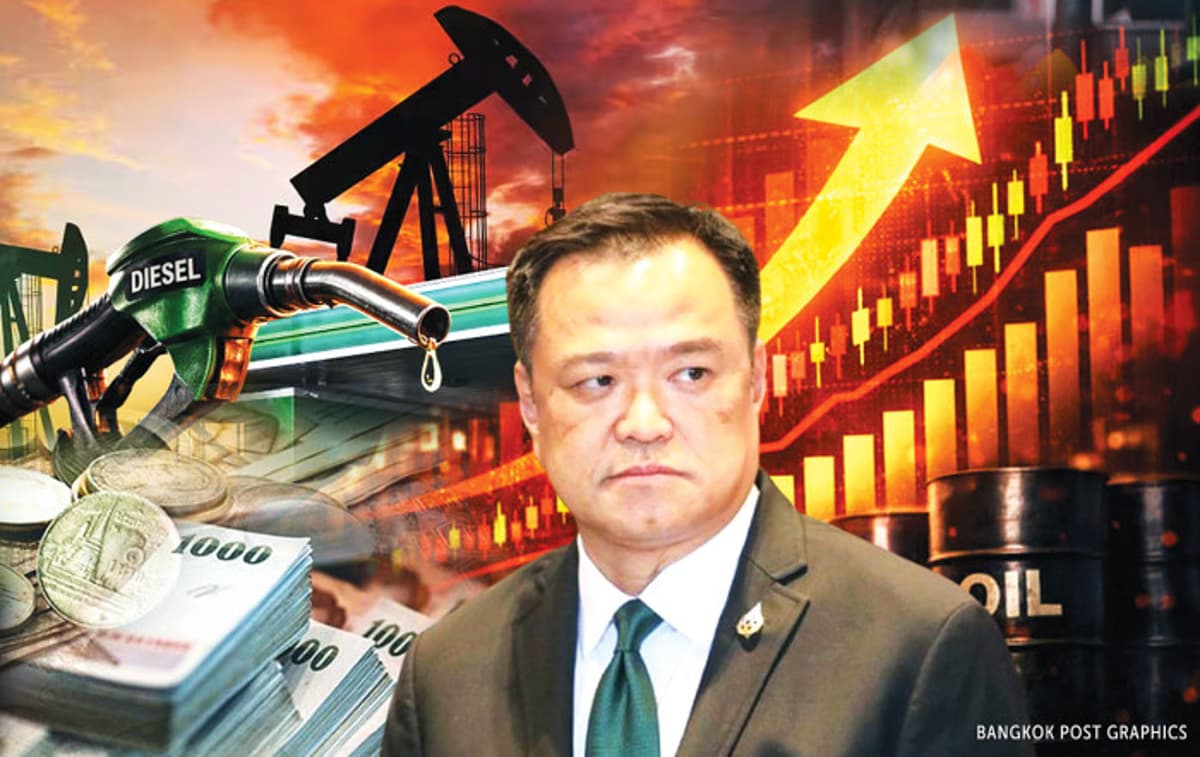
Wary Response to Borrowing Plan
Companies Mentioned
Why It Matters
The borrowing decision will shape Thailand’s fiscal stability and its ability to fund growth‑oriented projects, influencing investor confidence and sovereign credit outlook.
Key Takeaways
- •Government plans emergency decree to borrow 500 bn baht (~$14 bn)
- •Debt ceiling increase to 75% could unlock up to 1 trn baht (~$28 bn)
- •Critics argue stimulus may be less effective amid frequent crises
- •Supporters say borrowing stays within prudent 800 bn baht (~$22 bn) limit
- •High‑multiplier infrastructure and social investments urged for debt repayment
Pulse Analysis
Thailand’s tentative move to tap an emergency borrowing decree reflects a broader regional dilemma: balancing immediate stimulus needs against mounting fiscal risk. The proposed 500 billion baht ($14 billion) loan, coupled with a potential debt‑ceiling hike to 75% of GDP, would give policymakers a larger fiscal runway. Yet the legal ambiguity surrounding constitutional authority and the need to re‑allocate uncommitted 2026‑27 budget items underscore the complexity of expanding sovereign debt in a climate of heightened geopolitical uncertainty, from the Israel‑U.S. conflict to volatile oil prices.
Economists and industry experts caution that traditional stimulus tools may no longer deliver the expected boost, given the frequency and severity of recent shocks. Instead, they advocate targeting funds toward projects with strong long‑term multipliers—strategic ports, export‑linked logistics, and human‑capital development such as education and skills training. These sectors can generate sustainable revenue streams, easing future debt service burdens. Conversely, indiscriminate cash handouts or low‑yield infrastructure, like repetitive road expansions, risk inflating debt without improving fiscal health.
Investor sentiment remains cautiously optimistic. While rating agencies see limited downgrade risk if borrowing is disciplined, the allocation of new funds will be a decisive factor for market confidence. A clear, transparent communication strategy—mirroring Singapore’s approach—could mitigate panic and reinforce Thailand’s reputation for fiscal prudence. Ultimately, the success of the borrowing plan hinges on whether the government can channel the influx into high‑impact, revenue‑generating initiatives that bolster growth and safeguard the nation’s credit standing.
Wary response to borrowing plan
Comments
Want to join the conversation?
Loading comments...