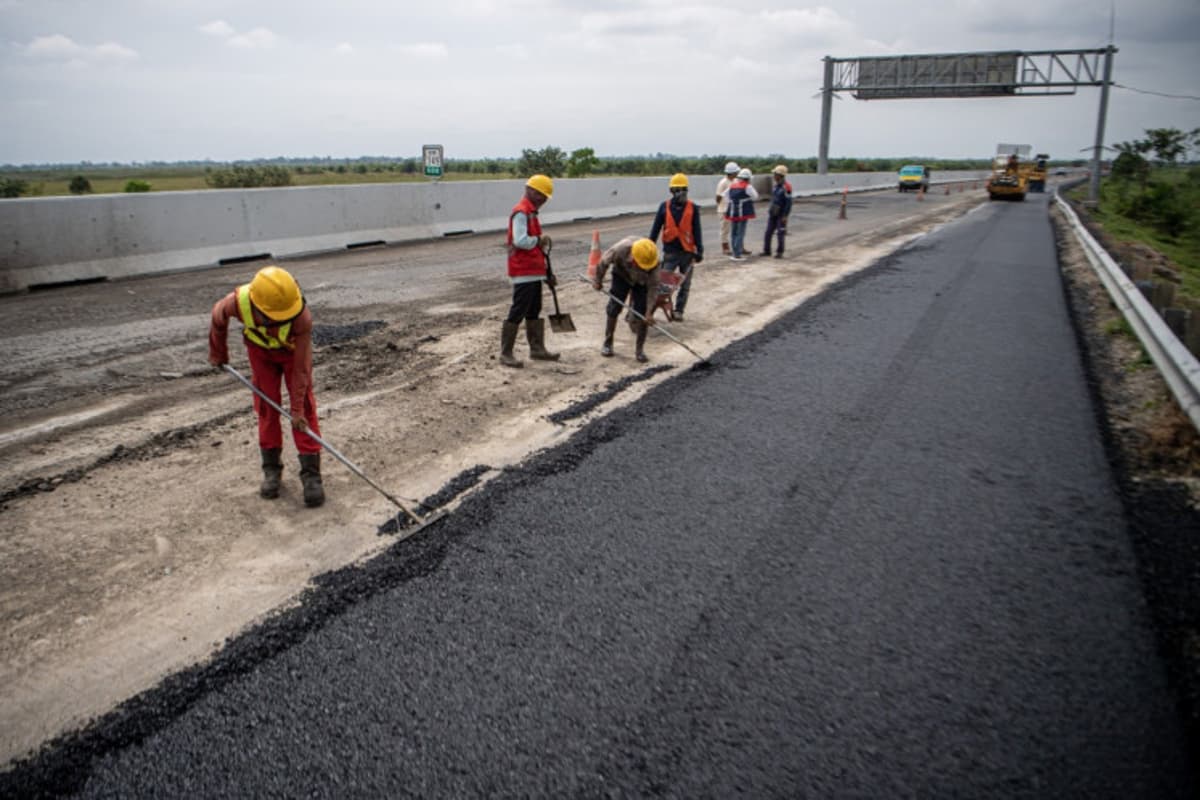
Weak Rupiah Puts Pressure on Strategic Projects
Why It Matters
Rising import costs threaten the pace and profitability of Indonesia’s flagship infrastructure agenda, risking delays that could dampen economic growth and investor confidence.
Key Takeaways
- •Rupiah depreciation raises import‑linked construction costs by up to 30‑50%
- •Margin pressure threatens timelines of toll roads and sea‑wall projects
- •Contractors call for coordinated risk mitigation among finance, works ministries
- •Projects relying on steel, bitumen, machinery face cash‑flow strain
Pulse Analysis
Indonesia’s infrastructure drive, anchored by the National Strategic Projects (PSN), has long depended on imported steel, bitumen and heavy equipment. A sustained slide in the rupiah against the U.S. dollar now adds a cost premium that can reach half of a project’s budget, eroding the profitability of contracts that are denominated in local currency. This dynamic forces developers to reassess cash‑flow models and consider price‑adjustment clauses that were previously unnecessary.
The most visible fallout appears on high‑visibility corridors such as the trans‑Sumatra toll road and the ambitious Giant Sea Wall. Both initiatives rely on imported materials for critical phases, and the exchange‑rate shock translates into higher upfront outlays and tighter operating margins. Contractors warn that without swift risk‑mitigation—such as hedging foreign‑exchange exposure or securing forward‑purchase agreements—project timelines could slip, inflating overall costs and jeopardizing the government’s delivery targets.
For investors and policymakers, the currency‑driven cost surge signals a broader need to diversify supply chains and bolster domestic production of construction inputs. Strengthening local steel and bitumen industries could insulate future projects from external volatility. Meanwhile, coordinated action between the Finance Ministry, Public Works Ministry, and private sector is essential to craft financing structures that absorb exchange‑rate swings, preserving the momentum of Indonesia’s growth‑oriented infrastructure agenda.
Weak rupiah puts pressure on strategic projects
Comments
Want to join the conversation?
Loading comments...