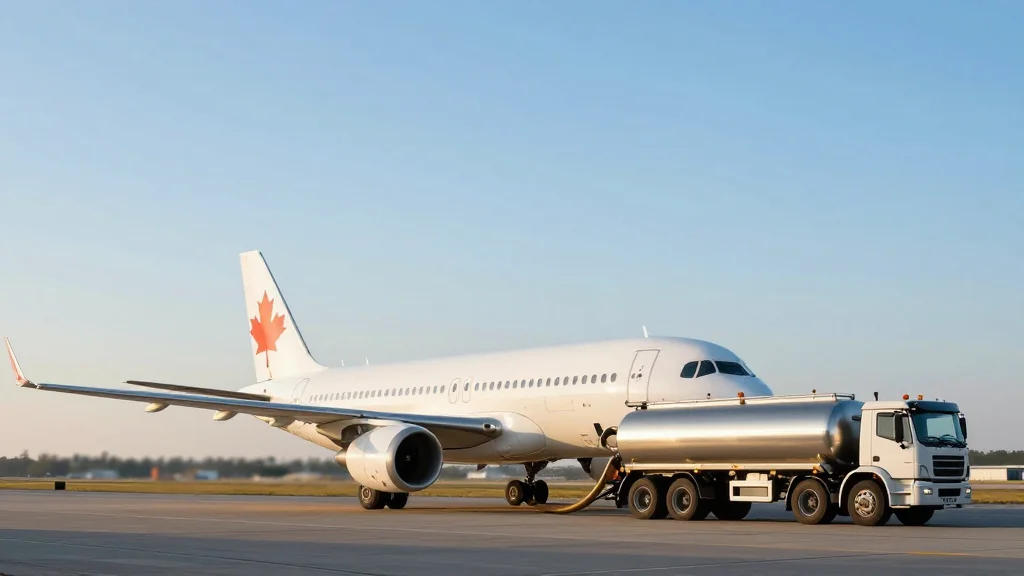
What the Jet Fuel Crisis Means for Your Summer Flights and Travel Plans
Companies Mentioned
Why It Matters
Higher fares and reduced route options strain both leisure travelers and airline profitability, reshaping the North‑American aviation market for the summer and beyond.
Key Takeaways
- •Canadian airlines cut U.S. capacity by 10% in Q1.
- •Air Transat will cease all U.S. flights by June 2026.
- •Global jet fuel prices have risen about 70% since February.
- •Higher fuel costs forced airlines to raise fares and trim routes.
- •Spirit Airlines' shutdown underscores vulnerability of low‑cost carriers.
Pulse Analysis
The summer travel season traditionally fuels a surge in cross‑border flights, but political friction has redirected Canadian demand inward. Since early 2025, a self‑imposed boycott of the United States—driven by tariff threats and rhetoric about Canada becoming a "51st state"—has cut Canadian outbound trips to the U.S. by roughly a third. Airlines responded by trimming U.S. schedules, with OAG data showing a 10% capacity reduction in the first quarter, while carriers like Air Canada and WestJet poured capacity into domestic and alternative international markets to preserve load factors.
Compounding the boycott, the closure of the Strait of Hormuz has choked a critical oil conduit, sending the Platts Global Jet Fuel Index up nearly 70% in just a few months. Jet‑fuel is the single largest variable cost for airlines; the spike erodes operating margins and forces carriers to either hike ticket prices or shed unprofitable routes. The ripple effect is evident in higher consumer fares across both domestic and international itineraries, and in the strategic re‑allocation of aircraft to routes with better fuel‑cost economics. This price shock also accelerates fuel‑hedging strategies and prompts airlines to explore more fuel‑efficient fleets.
The fallout reached a tipping point with Spirit Airlines' abrupt shutdown, a stark reminder that even large low‑cost carriers can crumble when fuel costs eclipse thin profit margins. Industry observers now watch closely for similar vulnerabilities among U.S. and global airlines, especially those heavily reliant on price‑sensitive passengers. For travelers, the prudent approach is to prioritize domestic flights, lock in fares early, and maintain flexibility for potential last‑minute schedule changes. As the International Air Transport Association notes, even a reopening of the Strait could take months to normalize fuel supplies, meaning the current volatility may linger well into the next travel season.
What the jet fuel crisis means for your summer flights and travel plans
Comments
Want to join the conversation?
Loading comments...