Why Britain Is so Poor – and Will Get Poorer
Companies Mentioned
Why It Matters
A widening balance of payments gap limits fiscal flexibility, forces asset sales abroad, and pushes inflation onto consumers, threatening the UK’s economic stability and sovereignty.
Key Takeaways
- •UK balance of payments deficit projected at £115bn (~$146bn) in 2026
- •Pound devalued ~16%, raising import prices for food and fuel
- •40% of British firms and one‑third of debt are foreign‑owned
- •1976 surplus turned to 1981 surplus after boosting North Sea oil production
- •Labour’s green‑investment plan cut, capital spending rise now only 0.1% of GDP
Pulse Analysis
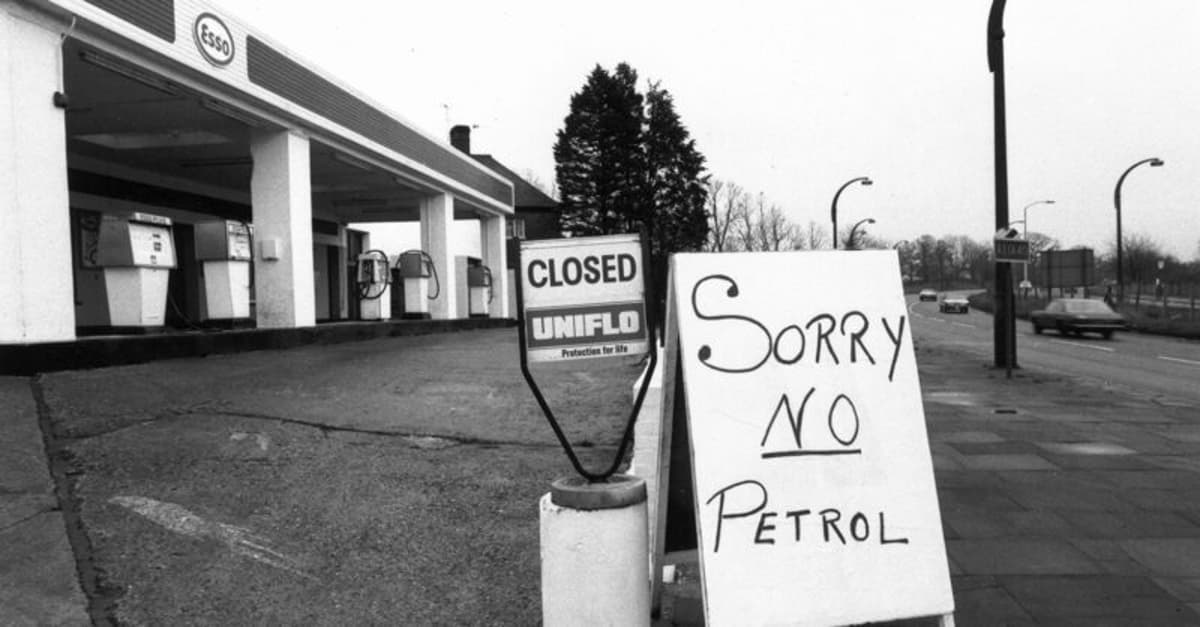
Britain’s current balance of payments outlook echoes the 1970s crisis but on a larger scale. The International Monetary Fund projects a 3.4%‑of‑GDP shortfall, roughly £115 billion ($146 billion), reflecting a persistent gap between imports and export‑linked earnings. Unlike the 1976 episode, where a swift surge in North Sea oil helped reverse a £1 billion deficit, today’s economy relies heavily on imported energy, food and raw materials, leaving it vulnerable to geopolitical shocks such as the Iran‑U.S. conflict. This structural imbalance has already manifested in a roughly 16% devaluation of the pound, inflating the cost of everyday goods.
The fiscal consequences are stark. A weakened currency pushes up inflation, eroding real wages and deepening the cost‑of‑living crisis. Simultaneously, foreign ownership has surged: about 40% of UK businesses and one‑third of sovereign debt are held abroad, meaning a sizable share of profits and interest payments flow out of the country. This outflow reduces the government’s fiscal headroom, limiting its ability to fund social programs or invest in critical infrastructure without resorting to further borrowing.
Policy makers face a choice between continuing a consumption‑driven model or reviving a production‑centric strategy. While Labour’s green‑investment pledge promised £28 billion of annual capital spending, the OBR now expects only a 0.1%‑of‑GDP increase by decade’s end, far short of what is needed to rebuild industrial capacity. A broader approach that includes revitalising manufacturing, expanding domestic energy sources—including both renewables and responsible fossil fuel projects—and developing high‑value services could generate export earnings, narrow the trade gap, and restore economic resilience. In short, rebalancing trade and investment is essential for Britain to regain fiscal autonomy and protect households from imported price shocks.
Why Britain is so poor – and will get poorer
Comments
Want to join the conversation?
Loading comments...