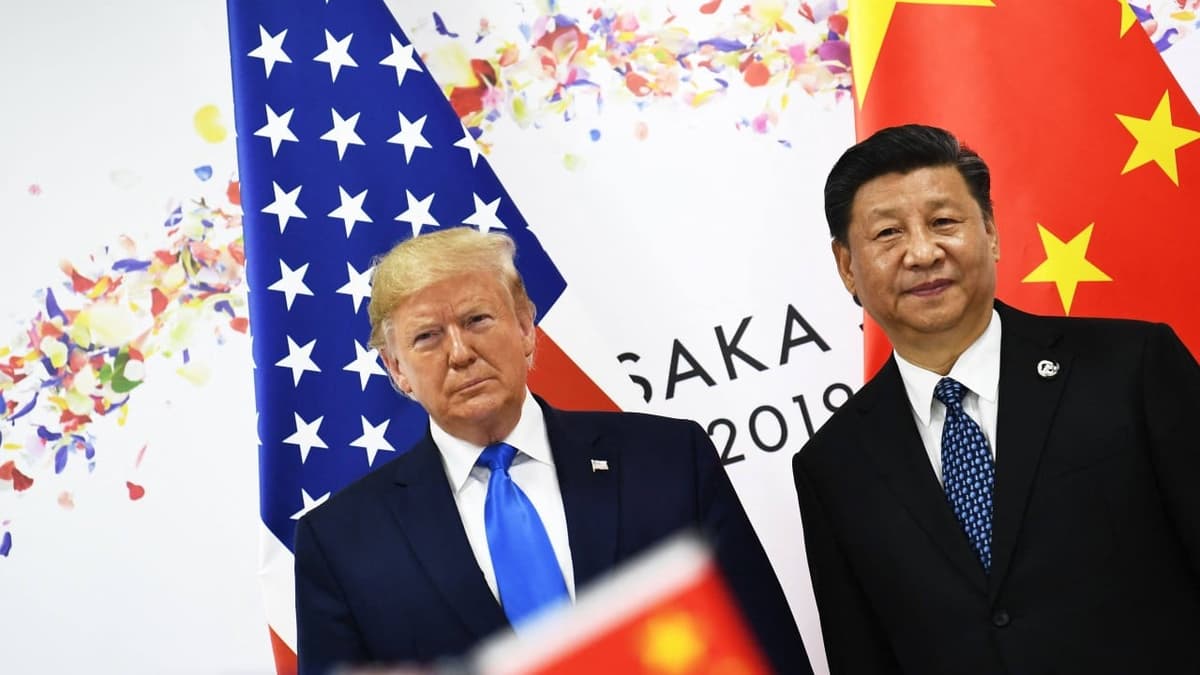
Why Experts Say Trade Wins Aren’t Enough for Xi-Trump Summit in May
Why It Matters
Broadening cooperation beyond trade can curb strategic rivalry, protect critical supply chains and unlock growth in high‑tech and health sectors. Without addressing these deeper issues, the two powers risk deeper decoupling and lost economic opportunities.
Key Takeaways
- •Experts urge summit to address healthcare, climate, AI, and data security.
- •Lack of diplomatic prep labeled “malpractice,” could stall security talks.
- •Business community expects soybean, aircraft orders and tariff cuts as quick wins.
- •Calls for technical working groups to set global AI and chip standards.
Pulse Analysis
The upcoming Xi‑Trump summit arrives at a volatile moment for the world’s two largest economies. After being postponed from March because of the U.S.–Israel conflict over Iran, the May meeting is framed as a trade‑focused confidence‑building exercise, with expectations of soybean purchases, aircraft orders and modest tariff reductions. Such commercial wins can soothe investor sentiment, but they mask deeper structural frictions that have intensified since 2018, from semiconductor bans to rare‑earth export controls. By positioning the summit as a diplomatic reset, both capitals hope to signal a willingness to engage, even as underlying strategic competition persists.
Beyond the headline‑grabbing trade deals, analysts at a Beijing forum highlighted sectors where cooperation could yield outsized benefits. Healthcare collaboration would give Western pharma access to China’s innovation pipeline while delivering cutting‑edge treatments to Chinese patients. Climate initiatives could align the two nations on green‑technology standards, easing the race for critical minerals. Most urgent, however, is artificial‑intelligence governance; experts warn that unchecked AI development threatens digital privacy, military security and corporate data integrity. The absence of a dedicated AI agenda at the summit, according to former diplomats, reflects a broader diplomatic “malpractice” that risks missing a pivotal chance to set global norms.
If the leaders can translate goodwill into concrete mechanisms, the summit could spark the creation of technical working groups focused on AI, chip standards and data security. Such groups would bring together government officials, industry experts and academia to draft interoperable rules, reducing the risk of a full‑scale tech decoupling. Future venues—APEC in Shenzhen and the G20 in Miami—offer additional platforms to cement these frameworks. For the business community, sustained engagement and a “big voice” advocating for stability may be the most reliable path to a gradual, patient recovery of U.S.–China economic relations.
Why experts say trade wins aren’t enough for Xi-Trump summit in May
Comments
Want to join the conversation?
Loading comments...