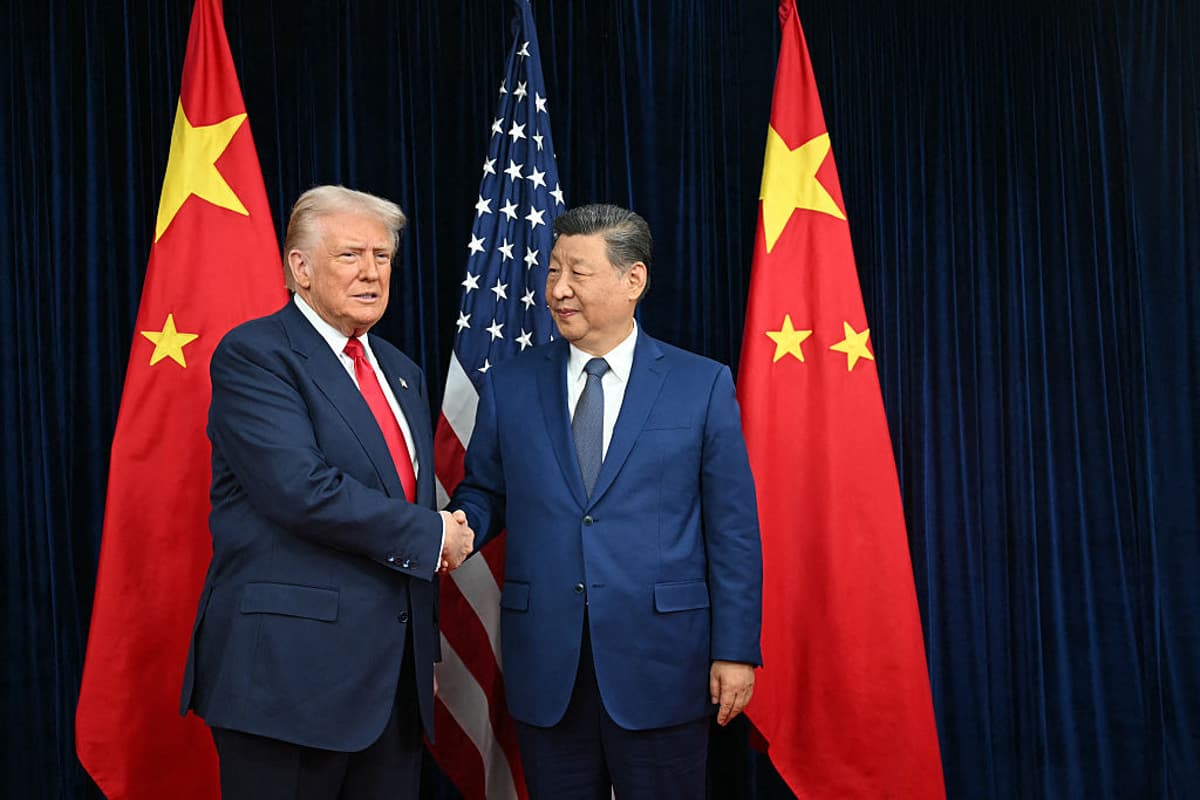
Why It Matters
The visit highlights the growing disconnect between U.S. diplomatic ambitions and on‑the‑ground realities, signaling a continued stalemate in the world’s two largest economies and affecting global trade, security, and technology cooperation.
Key Takeaways
- •Trip delayed by Iran‑Hormuz conflict, raising diplomatic doubts
- •China's energy reserves cushion it against Strait disruptions
- •U.S. soybean purchases fall short of pledged volumes
- •Decades of US‑China talks yield minimal progress on core issues
- •AI security cooperation stalls as both sides prioritize strategic competition
Pulse Analysis
The timing of Trump’s Beijing trip underscores a precarious moment in U.S. foreign policy. With the Strait of Hormuz under threat from a deteriorating Iran cease‑fire, the administration faces a dilemma: pursue high‑profile diplomacy or appear weak while a costly regional conflict simmers. Domestic pressures, including looming midterm elections, further constrain Trump’s ability to negotiate bold concessions, turning the visit into a staged showcase rather than a platform for meaningful dialogue.
China, meanwhile, enters the talks from a position of relative strength. Massive strategic petroleum reserves and a diversified energy strategy—spanning fossil fuels, renewables, and overland pipelines—have insulated Beijing from the Hormuz disruption that rattles U.S. allies. The recent soybean agreement, intended as a win for American farmers, already shows shortfalls as China leans toward cheaper Brazilian beans, delivering roughly 14% less than historic averages. This pattern reflects a broader trend: while the U.S. seeks trade wins, Beijing’s long‑term plans, embodied in its Five‑Year Plans and initiatives like Made in China 2025, prioritize self‑sufficiency over reciprocal concessions.
The broader implication is a deepening diplomatic fatigue between the two powers. Decades of strategic dialogues have produced few tangible outcomes on high‑stakes issues such as fentanyl control, intellectual‑property theft, and AI safety. With both sides now more focused on strategic competition than cooperation, future engagements—whether at APEC, G20, or bilateral meetings—are likely to remain ceremonial. For businesses and policymakers, the takeaway is clear: expect continued uncertainty, limited policy breakthroughs, and a need to navigate a landscape where rhetoric outweighs real progress.
Why Trump’s China Trip Is Set Up to Fail
Comments
Want to join the conversation?
Loading comments...