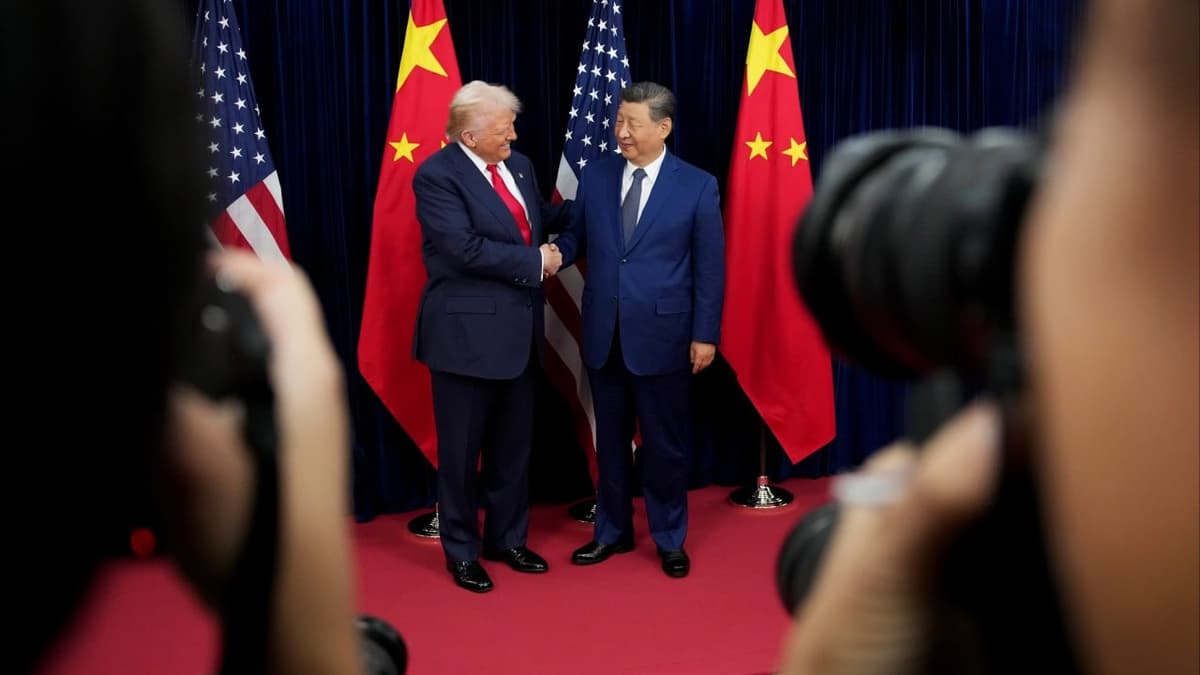
With the US, China Must Choose Constructive Power over Destruction
Why It Matters
Stability in U.S.–China relations underpins the global trading system and averts escalation that could disrupt markets, supply chains, and geopolitical peace.
Key Takeaways
- •China lifted hundreds of millions out of poverty
- •US must balance pressure on China with cooperation
- •China vetoed UN resolution on Strait of Hormuz security
- •Aligning with Iran risks undermining China's global credibility
- •US‑China accommodation essential for stable global trading system
Pulse Analysis
The strategic rivalry between Washington and Beijing has deepened since the 1970s, yet the Shanghai Communiqué established a tacit understanding that the Taiwan question could be managed without armed conflict. Recent rhetoric in both capitals, however, threatens to erode that fragile peace. Analysts warn that a purely confrontational posture by the United States risks pushing China toward a defensive, nationalist stance, while Beijing’s focus on sovereignty could blind it to broader diplomatic responsibilities. A calibrated approach that blends clear red lines with avenues for cooperation is now essential.
China’s economic transformation has lifted over 800 million people out of extreme poverty and positioned the country as the world’s manufacturing hub. That prosperity, however, is tethered to an open, rules‑based trading system that depends on predictable U.S. policy. Beijing’s recent veto of a UN Security Council resolution on Hormuz security and its cautious stance toward Iranian oil sanctions illustrate a desire to avoid direct confrontation, yet deeper involvement with Tehran could jeopardize its credibility and supply‑chain stability. Maintaining a constructive posture allows China to safeguard both its growth and its international standing.
For Washington, the challenge is to move beyond a binary view of China as either a threat or a partner. A nuanced policy that combines firm enforcement of norms—such as non‑proliferation and human‑rights standards—with targeted economic incentives can deter aggression without triggering a trade war. Simultaneously, Beijing must recognize that its long‑term security is linked to global stability and that siding with destabilising actors like Iran erodes that foundation. A mutually respectful, interdependent relationship will preserve the trade flows, scientific collaboration, and energy security that underpin the world economy.
With the US, China must choose constructive power over destruction
Comments
Want to join the conversation?
Loading comments...