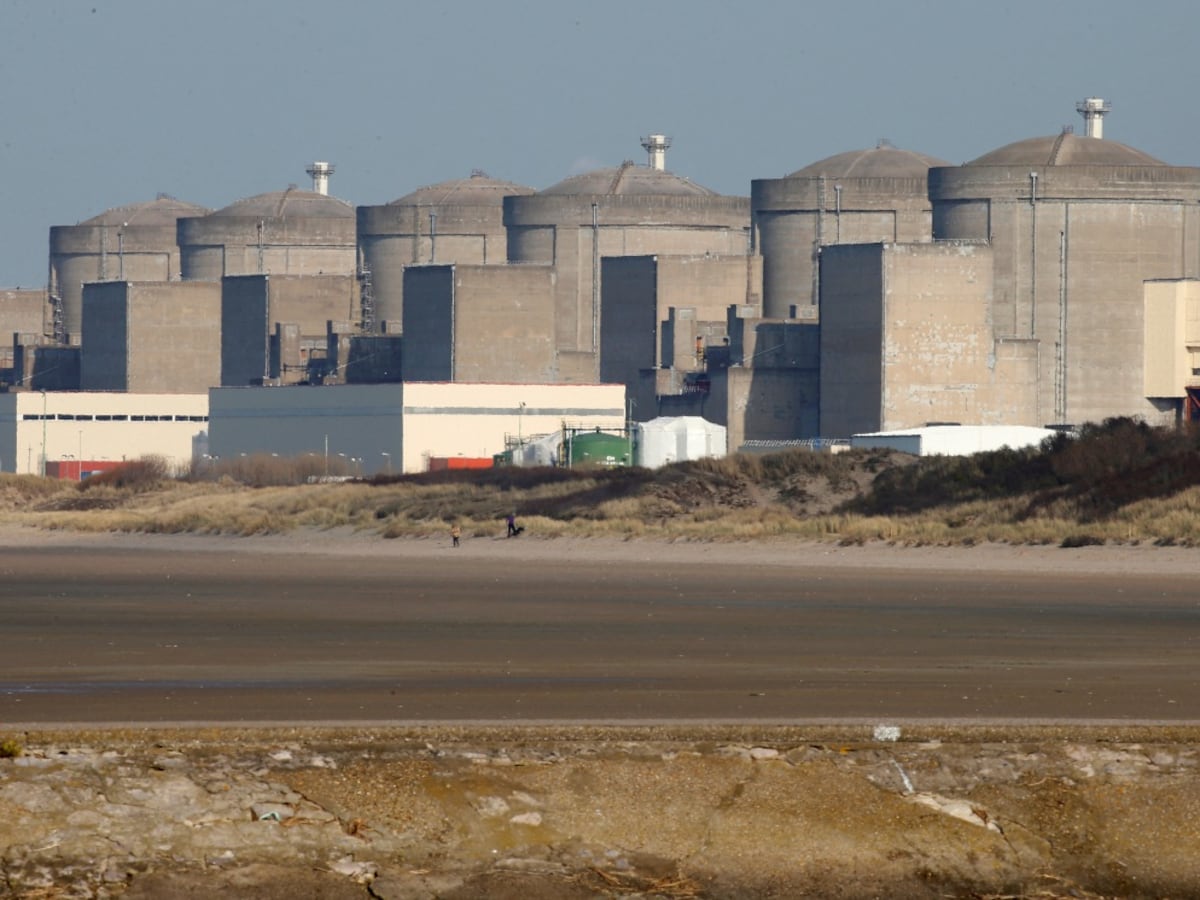
World Briefs | EU Warns Against Early Nuclear Plant Closures
Companies Mentioned
Why It Matters
Keeping nuclear capacity online provides Europe with a reliable bridge to decarbonisation, while the legal battles in India, the Netherlands and the U.S. highlight heightened regulatory risk for multinational energy and consumer‑goods firms. The Sahel accusations underscore geopolitical volatility that can disrupt supply chains and investment flows.
Key Takeaways
- •EU urges members to keep operating nuclear plants for low‑cost power
- •AB InBev faces Indian cartel probe after being re‑classified as investigated party
- •Dutch group files lawsuit demanding Shell halt new oil and gas projects
- •Niger and Mali blame neighbours for terrorism, complicating Sahel security
- •Engie negotiates possible US lease refund as Trump blocks offshore wind
Pulse Analysis
Europe’s energy strategy is at a crossroads as the EU drafts a package to curb soaring electricity costs. By explicitly discouraging the early retirement of nuclear facilities, Brussels aims to preserve a stable, low‑carbon baseload that can offset heightened demand caused by geopolitical shocks such as the Iran conflict. Nuclear’s reliability and cost advantage also reduces pressure on natural‑gas and coal plants, supporting the bloc’s climate targets while shielding consumers from volatile price spikes.
Across continents, corporations are confronting intensified regulatory scrutiny. In India, AB InBev’s shift from a cooperative witness to a formal investigation target signals a tougher stance by the Competition Commission on market‑distorting practices, potentially reshaping the country’s beer landscape. In the Netherlands, climate activists have taken Shell to court, demanding an immediate halt to new oil and gas developments—a move that could set a precedent for litigation‑driven climate policy. Meanwhile, French utility Engie’s talks with the Trump administration over a possible refund for offshore wind leases illustrate how political headwinds can jeopardize renewable investments, prompting firms to reassess risk exposure in the United States.
The Sahel region adds another layer of uncertainty. Niger and Mali’s accusations against neighboring states for sponsoring terrorism highlight deepening mistrust that could impede regional cooperation on security and development. Persistent instability threatens not only humanitarian outcomes but also the flow of foreign direct investment, especially in sectors like mining and energy that rely on secure operating environments. Together, these developments underscore a global business climate where energy security, regulatory risk, and geopolitical stability are increasingly interlinked, demanding agile strategies from multinational firms.
World briefs | EU warns against early nuclear plant closures
Comments
Want to join the conversation?
Loading comments...