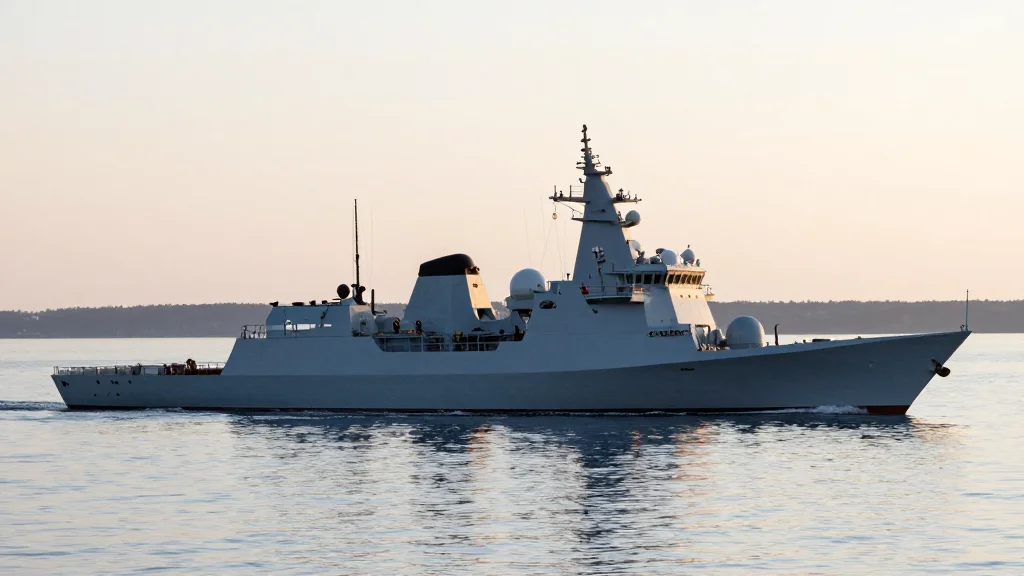
‘Zeitenwende’ Is Anchoring Germany’s Role as a Baltic Sea Power
Why It Matters
The shift marks a historic break from Germany’s post‑World‑War‑II restraint, bolstering NATO’s northern flank and redefining European security dynamics. It also tests the German defense industry’s ability to scale under political pressure.
Key Takeaways
- •Germany aims $178 bn defense budget by 2029, 70% rise.
- •First permanent German base in Lithuania operational by 2027.
- •New naval task force coordinates Baltic Sea security with NATO.
- •€50 bn ($55 bn) procurement plan targets missiles, AI, unmanned systems.
- •Success hinges on industrial capacity, political support amid AfD rise.
Pulse Analysis
Germany’s strategic pivot, dubbed "Zeitenwende," reflects a broader European reckoning with Russian aggression. By earmarking roughly $178 bn for defense by 2029, Berlin is not only meeting NATO’s 2% spending target but also positioning itself as the strongest conventional army in Europe. The financial commitment is underpinned by a trillion‑dollar loan that frees the budget from the constitutional debt brake, allowing rapid procurement of high‑end missile‑detection systems, AI‑driven unmanned platforms, and other next‑generation assets. This fiscal muscle signals to allies and adversaries alike that Germany intends to move from a historically cautious posture to a proactive security guarantor.
On the operational front, the establishment of a permanent brigade‑level base in Lithuania by 2027 marks the first time Germany will maintain a standing force outside its borders. Coupled with a newly created Baltic Sea task force and participation in NATO’s Baltic Sentry operation, Berlin is weaving a layered deterrence architecture that protects critical undersea cables and maritime trade routes. These moves dovetail with intensified political engagement through the Nordic‑Baltic Eight and the Council of the Baltic Sea States, reinforcing a regional security network that can respond swiftly to hybrid threats.
However, the ambition faces practical hurdles. Germany’s defense industry must accelerate production while integrating emerging technologies, a challenge compounded by a skilled‑labor shortage and bureaucratic procurement delays. Domestic politics add another layer of risk: the rise of the far‑right AfD could erode consensus on sustained defense spending. If Berlin can navigate these constraints, its newfound Baltic leadership could reshape the security calculus of northern Europe, offering a more resilient front against Russian coercion and bolstering the overall credibility of the NATO alliance.
‘Zeitenwende’ is anchoring Germany’s role as a Baltic Sea Power
Comments
Want to join the conversation?
Loading comments...