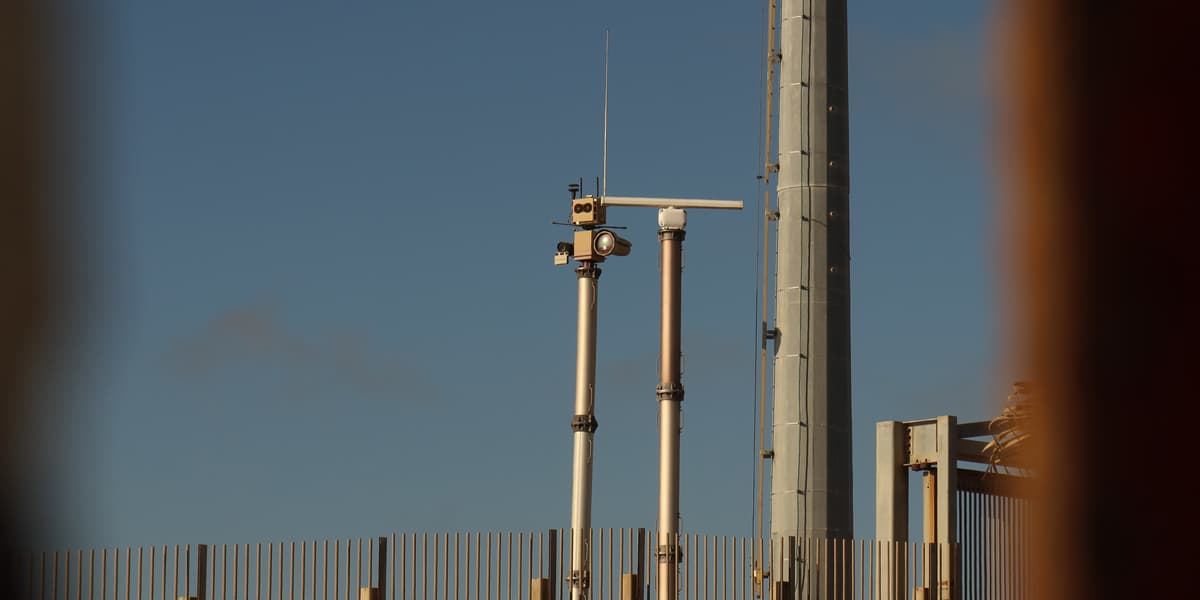
California Coastal Community Must Reject CBP's AI-Powered Surveillance Tower
Key Takeaways
- •CBP seeks to install Anduril Sentry tower in San Clemente.
- •Tower can scan up to nine miles, covering the entire city.
- •Data retention contradictory: 30 days versus indefinite for AI training.
- •CBP rejected lease clause banning residential surveillance.
- •Expansion of 1,500 towers may cost $400 million in maintenance.
Pulse Analysis
The San Clemente proposal illustrates how the U.S. Customs and Border Protection is partnering with defense contractor Anduril Industries to embed autonomous surveillance technology far beyond traditional border zones. The Sentry tower’s 360‑degree camera array, radar and computer‑vision algorithms can detect vessels, vehicles and individuals at sea, yet its nine‑mile line‑of‑sight also sweeps over residential streets, parks and schools. This dual‑use capability reflects a broader federal strategy to leverage AI for border security while repurposing the same hardware for domestic monitoring, a trend accelerated by recent budget allocations for next‑generation border infrastructure.
Privacy advocates and local officials are alarmed by the tower’s ambiguous data‑retention policies. While CBP’s privacy threshold analysis mentions a 30‑day imagery hold, internal documents reveal that training data may be kept indefinitely to improve Anduril’s algorithms. The lack of a binding contractual clause to prevent residential scanning, despite city‑level objections, underscores a regulatory gap where federal agencies can override municipal privacy safeguards. Community groups such as Oakland Privacy are mobilizing town halls and legal challenges to demand transparency, oversight, and enforceable limits on the system’s field of view.
If the planned rollout of up to 1,500 towers proceeds, the $400 million maintenance bill could become a recurring fiscal burden for taxpayers, while the proliferation of AI‑driven surveillance raises fundamental questions about civil liberties in a democratic society. Policymakers must weigh the marginal security gains against the risk of normalizing pervasive monitoring, potential mission creep, and the erosion of public trust. Robust legislative frameworks, independent audits, and clear data‑deletion schedules are essential to ensure that border security technology does not become a tool for unwarranted domestic surveillance.
California Coastal Community Must Reject CBP's AI-Powered Surveillance Tower
Comments
Want to join the conversation?