Key Takeaways
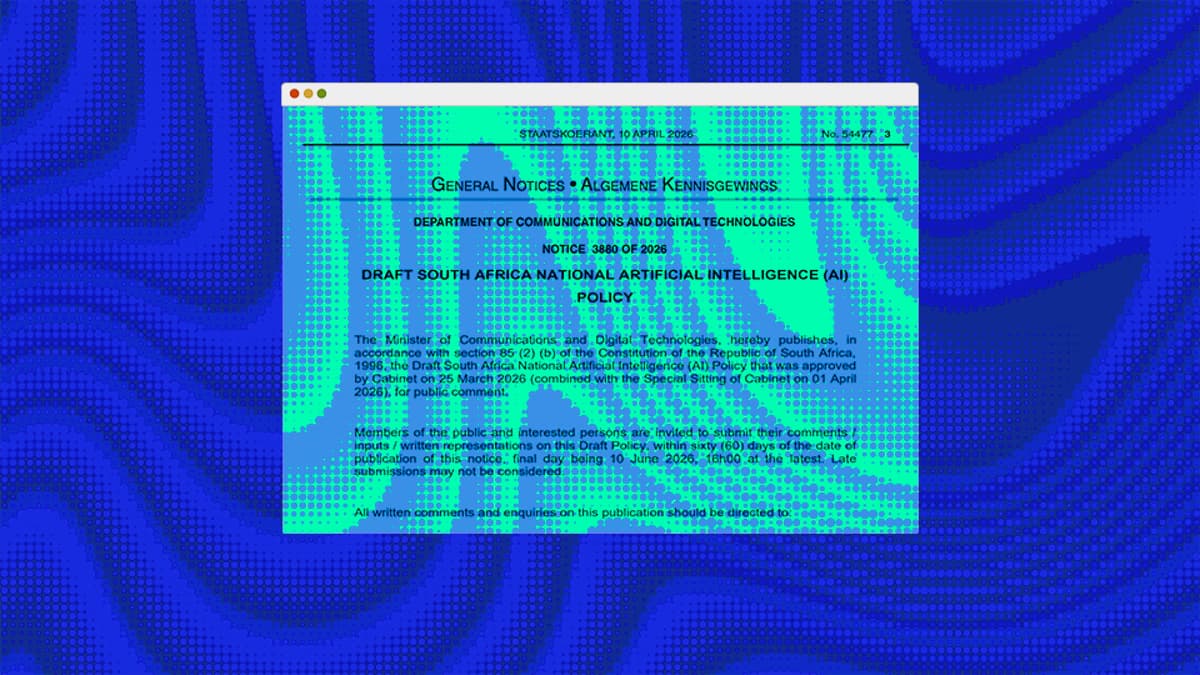
- •South Africa withdrew AI policy after six fake citations discovered
- •Trump admin report contained AI‑generated citations, prompting quick correction
- •Deloitte refunded Australia $290k after AI errors cost $440k contract
- •Canadian health report $1.2 M revised after AI‑fabricated references found
- •ENISA admitted 26 AI‑hallucinated footnotes, exposing verification gaps
Pulse Analysis
Generative AI tools have become a double‑edged sword for governments. While they accelerate drafting and data analysis, the technology’s propensity for hallucinating sources has already led to high‑profile blunders. South Africa’s policy withdrawal, the White House’s mis‑cited health report, and ENISA’s flawed cybersecurity brief all illustrate how unchecked AI output can infiltrate official records, jeopardizing credibility and inviting public scrutiny. These cases underscore that speed cannot replace rigorous source verification, especially when policy decisions hinge on perceived expertise.
In response, several administrations are tightening procurement and disclosure standards. Canada’s Newfoundland and Labrador government amended its RFP language to require explicit AI usage statements and reserved the right to audit AI‑related risks. Deloitte’s refunds—$290,000 to Australia after a $440,000 contract and a $1.2 million Canadian health study overhaul—show the financial stakes of AI errors. By mandating provenance checks and human oversight, agencies aim to prevent costly re‑writes and protect taxpayer funds.
The broader implication is a shift in how public institutions treat AI‑generated content. Trust in governmental reports is foundational; repeated hallucinations risk eroding that trust and may invite legislative action on AI accountability. Experts recommend a layered verification workflow: AI‑assisted drafting, followed by mandatory expert review, citation cross‑checking, and transparent disclosure of AI involvement. As AI adoption expands, establishing these safeguards will be essential to maintain institutional legitimacy and avoid the reputational fallout witnessed across continents.
Five times AI hallucinations embarrassed governments
Comments
Want to join the conversation?