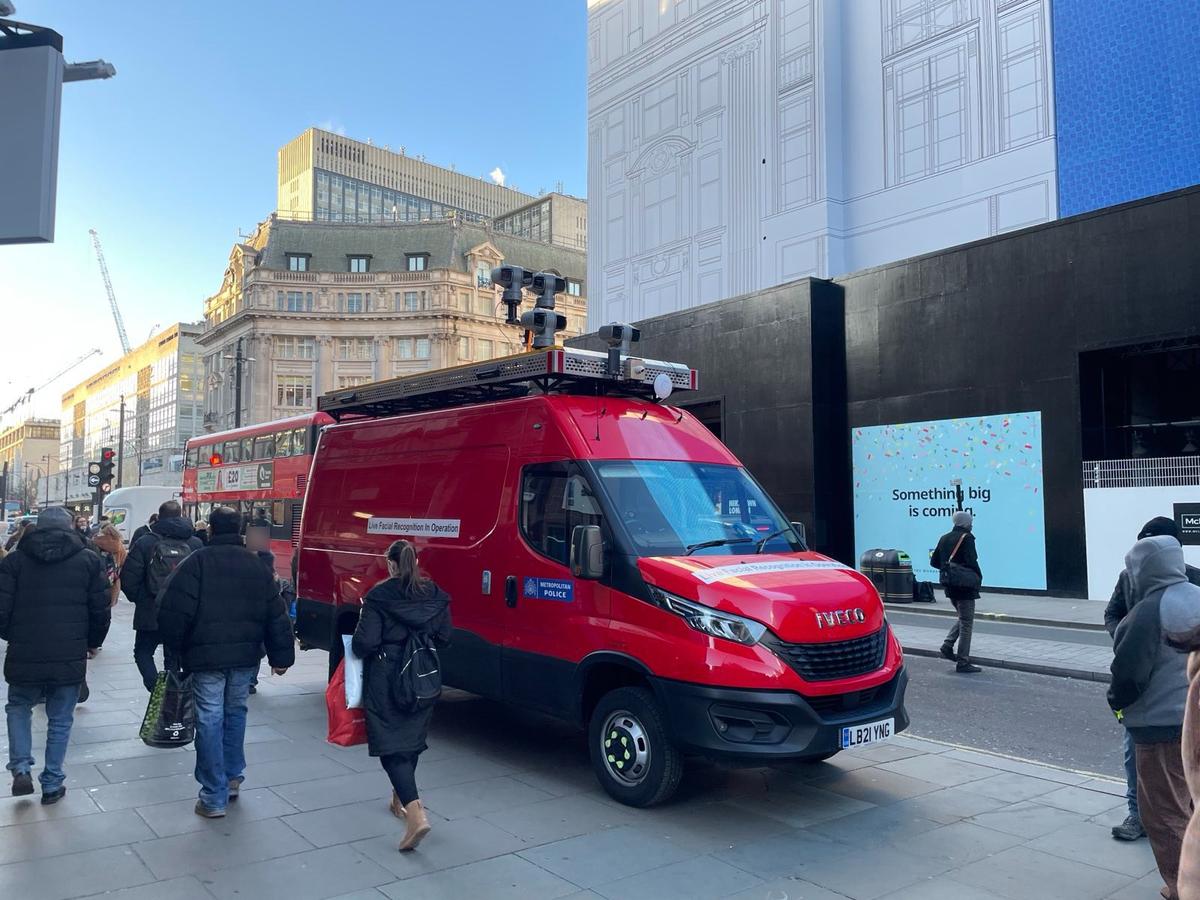
Metro – Live Facial Recognition Use Not Ruled Out in Oxford Street’s Pedestrianisation Plans
Key Takeaways
- •Mayor plans pedestrianising Oxford Street, enhancing public space.
- •Live facial‑recognition cameras not excluded from future deployment.
- •Big Brother Watch warns of intrusive, Orwellian surveillance.
- •Potential precedent for biometric monitoring citywide.
- •Debate pits safety ambitions against privacy rights.
Pulse Analysis
Oxford Street, one of Europe's busiest shopping corridors, is slated for a major redesign that will ban private vehicles and turn the thoroughfare into a pedestrian‑only zone. Mayor Sadiq Khan frames the project as a chance to create a 'world‑leading urban space' that improves air quality, reduces traffic injuries, and boosts footfall for retailers. The plan follows a wave of European cities repurposing central avenues for walkers and cyclists, a strategy that has been linked to higher consumer spending and stronger local economies.
At the same time, the mayor has signalled that live facial‑recognition (FRT) systems remain on the table for the newly pedestrianised stretch. Police forces across the UK have deployed FRT on a trial basis, arguing it deters violent crime and speeds up suspect identification. However, the technology raises legal questions under the UK’s Data Protection Act and the European Convention on Human Rights, especially regarding mass collection of biometric data without probable cause. Civil‑rights groups such as Big Brother Watch contend that unchecked surveillance could erode public trust and set a dangerous norm.
If Oxford Street becomes the first high‑profile commercial boulevard to host permanent live FRT, it could create a de‑facto benchmark for other UK municipalities seeking to blend safety initiatives with digital policing. Proponents argue that real‑time identification helps prevent assaults and terrorist attacks, yet critics warn that the technology’s error rates and bias can disproportionately affect minorities. Policymakers will need to balance the economic upside of a safer, more attractive shopping district against robust oversight mechanisms, transparent data‑retention policies, and clear avenues for public challenge.
Metro – Live Facial Recognition use not ruled out in Oxford Street’s pedestrianisation plans
Comments
Want to join the conversation?