Key Takeaways
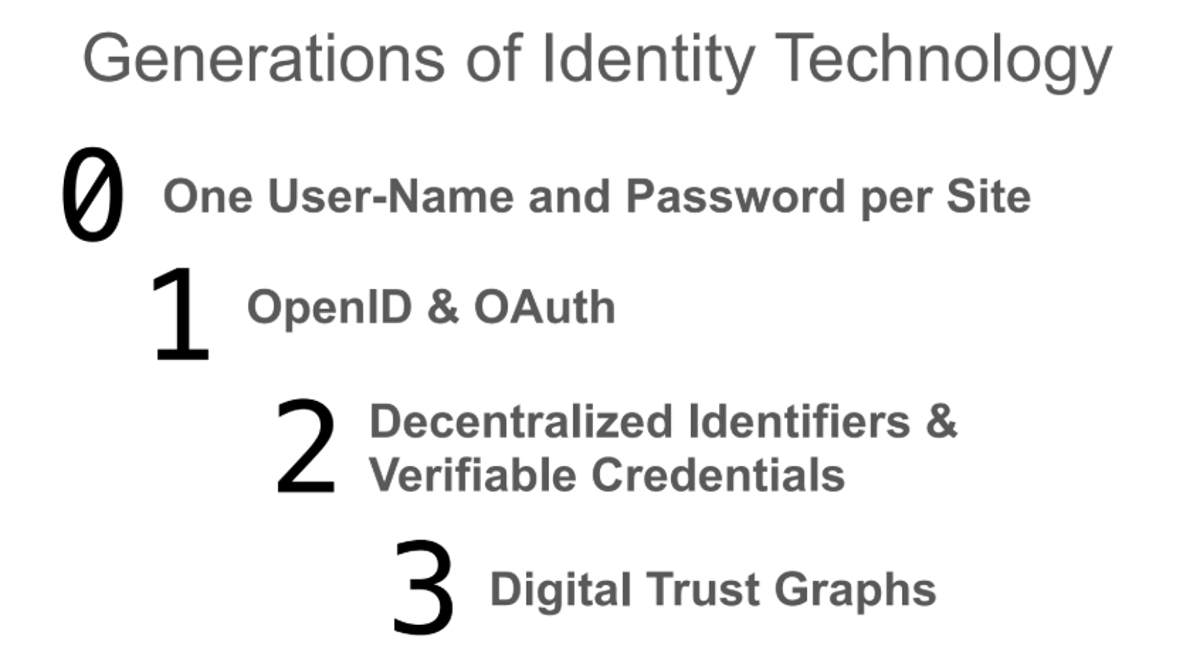
- •Three generations: centralized IDs, federated SSO, decentralized self‑sovereign identity.
- •Digital Trust Graph links credentials across platforms without central authority.
- •Decentralized trust reduces data breaches and enhances AI accountability.
- •Georgetown event highlights policy‑tech convergence on privacy standards.
- •Adoption of decentralized identity could reshape online verification markets.
Pulse Analysis
The Georgetown University forum brought together scholars, technologists, and policymakers to examine the growing tension between personal data protection and the need for reliable digital verification. By framing digital identity as a three‑generation journey, the speaker highlighted how early centralized systems—government IDs and corporate accounts—gave way to federated single sign‑on solutions like OAuth, which improved convenience but still relied on a handful of trusted providers. The latest shift toward decentralized, self‑sovereign identity leverages blockchain and cryptographic proofs, allowing individuals to own and present credentials without exposing underlying data.
Central to this evolution is the Digital Trust Graph, a nascent architecture that maps relationships among credentials, issuers, and verifiers while preserving privacy through zero‑knowledge proofs. Unlike traditional databases, the graph operates without a single point of control, mitigating the risk of large‑scale breaches and enabling dynamic trust assessments for AI systems that consume personal data. This approach aligns with emerging regulatory frameworks such as the EU’s Digital Identity Act and the U.S. Executive Order on AI, both of which call for interoperable, privacy‑by‑design solutions.
For businesses, the shift signals a strategic imperative: integrate decentralized identity protocols to future‑proof authentication, reduce compliance costs, and build consumer confidence. Industries ranging from fintech to healthcare stand to benefit from frictionless, verifiable credentials that can be audited in real time. As the Digital Trust Graph gains traction, early adopters will likely shape standards, influence policy, and capture market share in the burgeoning verification economy, making the Georgetown discussion a bellwether for the next wave of trust infrastructure.
My Presentation at Who is Real Online?
Comments
Want to join the conversation?