Key Takeaways
- •Google piloted gigabit broadband across Kansas City
- •City launched smart‑city pilots in transport, housing, services
- •Civic entrepreneurs struggled to align flawed tech with local needs
- •Data capitalism amplified urban inequality rather than solving it
Pulse Analysis
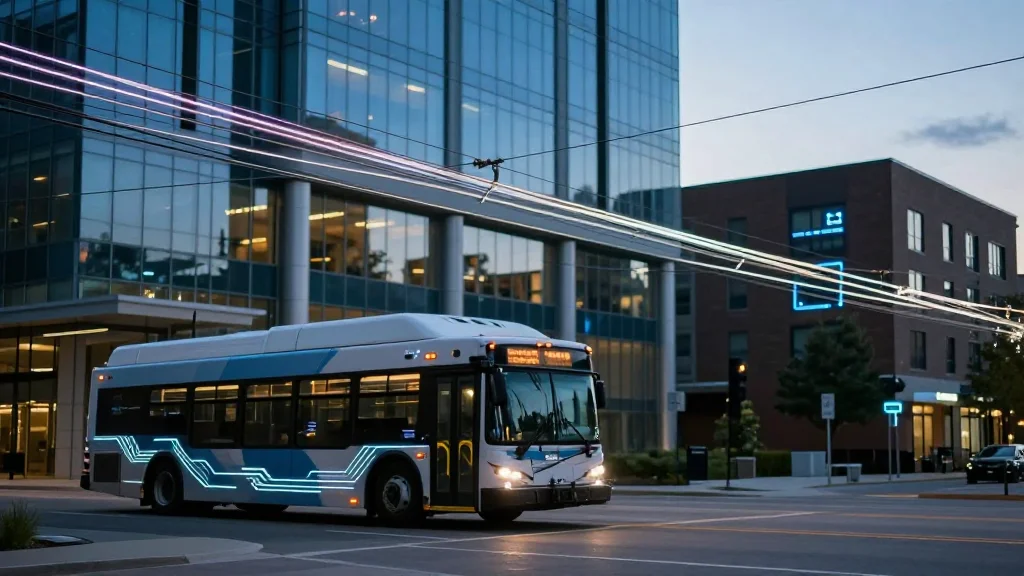
Kansas City, Missouri, has become a living laboratory for what scholars call "test‑bed urbanism," where private tech firms and municipal leaders co‑create digital infrastructure. In Baykurt’s ethnography, Google’s rollout of a city‑wide gigabit network serves as the backbone for a cascade of pilot projects—from adaptive traffic signals to sensor‑enabled public housing. The book details how civic entrepreneurs act as intermediaries, translating community concerns into data‑driven proposals while grappling with the imperfect, often proprietary, platforms supplied by tech vendors. This dynamic illustrates the practical limits of scaling “smart” solutions without robust public oversight.
Beyond the hardware, Baykurt redefines "smartness" as a collective, iterative process that surfaces persistent local problems rather than erasing them. The author highlights how municipal officials attempt to align fragmented tech tools with the city’s long‑standing issues such as transit inequity and aging housing stock. Yet the pilots frequently produce ambiguous results, with successes measured in data points rather than tangible improvements for residents. This tension underscores a broader critique: when technology is treated as a silver bullet, it can obscure the political negotiations essential for equitable urban development.
The implications extend far beyond Kansas City. As cities worldwide chase high‑speed connectivity and AI‑driven services, Baykurt’s findings warn that data capitalism can exacerbate existing disparities, extracting value from marginalized neighborhoods under the guise of progress. Policymakers must therefore embed equity safeguards, transparent governance structures, and community participation into smart‑city roadmaps. By foregrounding the lived experiences of residents and the messy reality of imperfect tech, the book offers a roadmap for cities aiming to harness digital tools without sacrificing social justice.
Smart as a City: The Politics of Test-Bed Urbanism
Comments
Want to join the conversation?