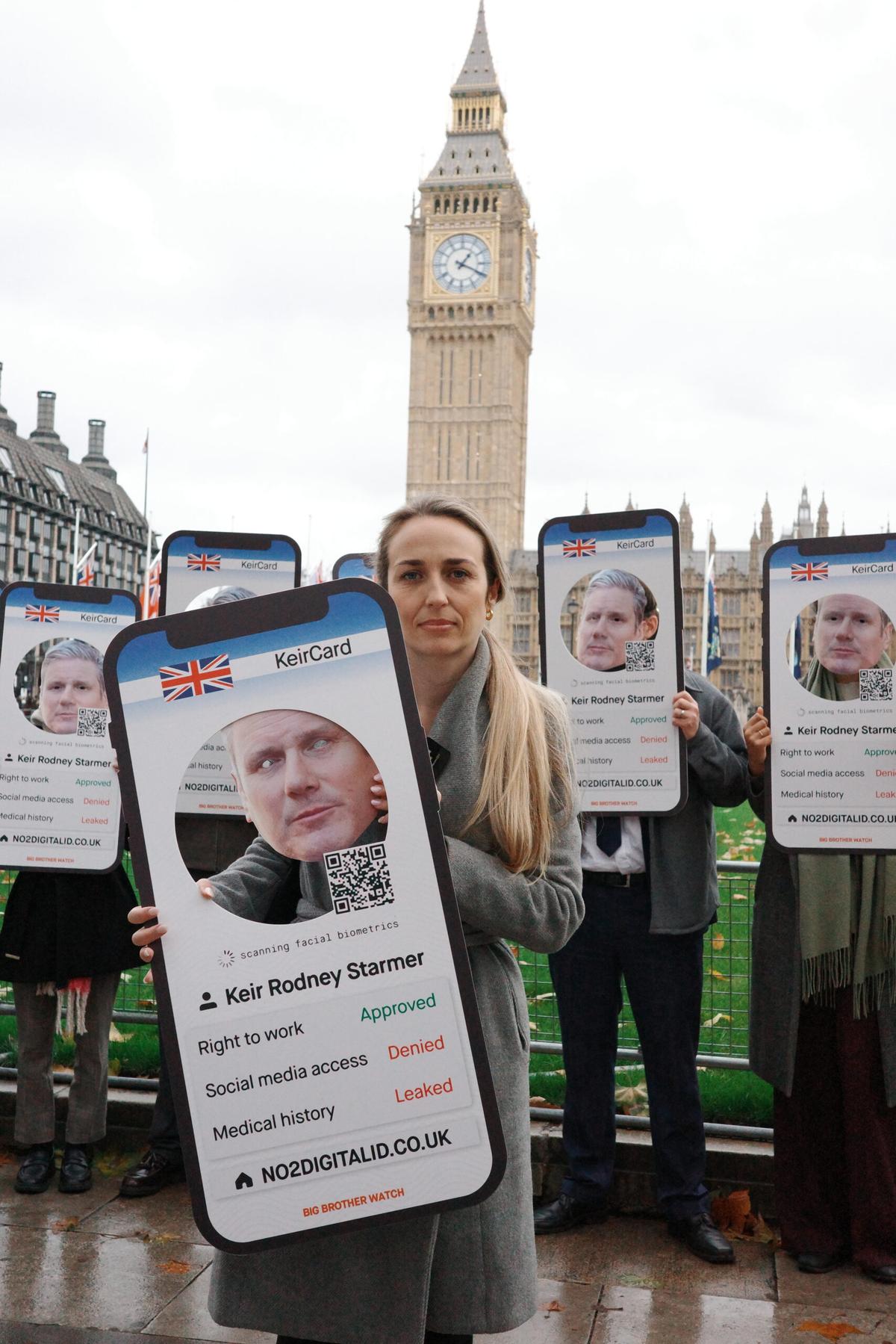
Telegraph – Child Safety Is the Smokescreen as the Nanny State Goes Digital
Key Takeaways
- •UK Parliament debating total social media ban for under‑16s.
- •Government seeks ministerial power for nationwide age‑verification and internet curfews.
- •Proposed measures would require digital ID for all internet users.
- •Apple already limited UK iPhone access pending age verification.
- •Critics warn broad controls could curb free speech and innovation.
Pulse Analysis
Britain’s latest push for online safety reflects a broader political shift toward state‑driven digital governance. The Children’s Wellbeing and Schools Bill, now in a parliamentary "ping‑pong," would empower ministers to impose age‑based checks, browsing limits and content filters under the umbrella of protecting children. While the rhetoric aligns with public concern over online harms, the legislation blurs the line between targeted child protection and universal surveillance, echoing the controversial Online Safety Act that has already prompted the removal of lawful speech on platforms like Reddit.
The requirement for digital identity verification carries profound implications for the tech sector. Companies such as Apple have pre‑emptively rolled out age‑gate restrictions for UK devices, effectively turning a commercial compliance decision into a de‑facto enforcement of government policy. This move mirrors similar controls in South Korea and Singapore, markets known for tighter internet regulation. For businesses operating in the UK, the prospect of mandatory ID checks could increase compliance costs, reshape user onboarding flows, and raise data‑privacy liabilities under the UK’s evolving data‑protection framework.
Globally, the UK debate signals a warning for regulators and investors alike. As governments cite child safety to justify expansive digital controls, the risk of a fragmented internet—where access and content vary by jurisdiction—grows. Companies must prepare for divergent compliance regimes, invest in robust identity‑verification infrastructure, and advocate for clear, proportionate rules that safeguard both children and the broader public’s freedom of expression. The outcome of this legislative showdown will likely influence how other democracies balance online safety with digital rights in the years ahead.
Telegraph – Child safety is the smokescreen as the nanny state goes digital
Comments
Want to join the conversation?