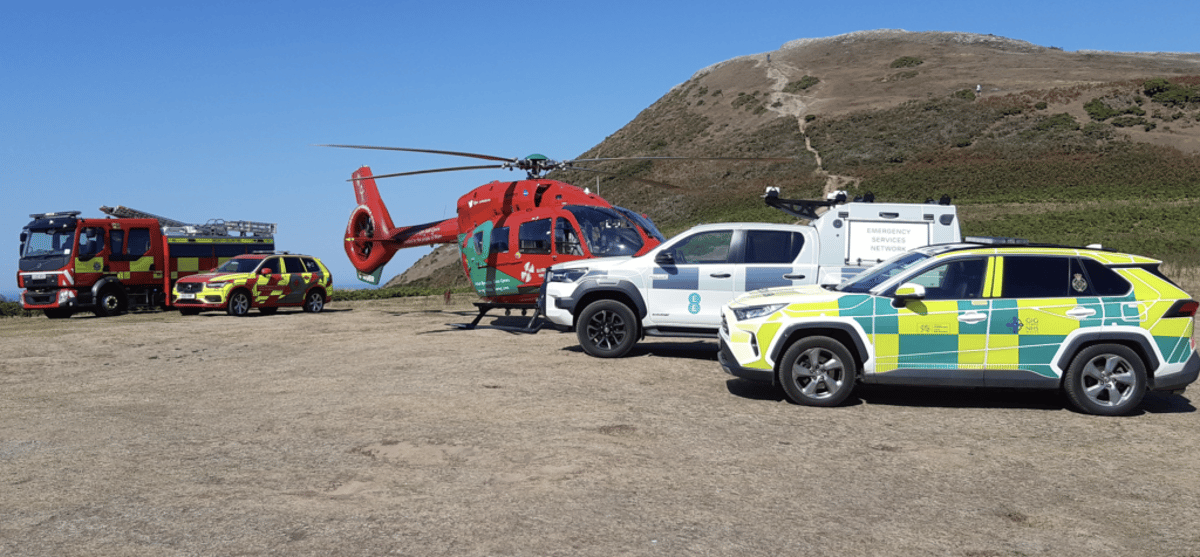
Weekly Wrap: More Countries Look to IMT Bands for Emergency Networks
Key Takeaways
- •Norway's Nødnett will run on 5G across Telenor, Telia, Lyse by 2029.
- •Finland aims to replace TETRA with a 5G‑based emergency network by 2028.
- •Sweden plans LTE/5G migration for public safety users, targeting 2030‑31 completion.
- •Czech Republic's O2 KISS system now active in seven schools, targeting 50.
- •IMT‑based emergency networks leverage commercial infrastructure, cutting costs for smaller nations.
Pulse Analysis
The transition from narrowband TETRA radios to broadband‑grade 5G marks a pivotal evolution in public‑safety communications. Norway’s Nødnett upgrade, anchored by a binding agreement with the country’s three largest mobile operators, creates a redundant, multi‑operator architecture that can sustain voice, data and video traffic even during large‑scale crises. By integrating emergency services directly onto commercial 5G spectrum, the system promises faster rollout, higher capacity and the ability to support emerging applications such as real‑time video analytics and drone‑assisted response.
Across the Nordics, Finland’s VIRVE 2.0 and Sweden’s planned migration from Rakel to LTE/5G illustrate a coordinated regional push to modernize critical communications ahead of the 2028‑2031 horizon. Germany’s hybrid approach, combining LTE/5G with existing TETRA, underscores the pragmatic balance many nations seek while preserving legacy capabilities. Meanwhile, the Czech Republic’s O2 KISS deployment in schools demonstrates how smaller jurisdictions can leverage mission‑critical LTE to protect vulnerable populations. The International Telecommunication Union’s emphasis on National Emergency Telecommunication Plans further highlights the global urgency driven by climate‑induced extreme weather events.
For telecom operators and equipment vendors, the surge in IMT‑based emergency networks opens new revenue streams tied to network‑sharing agreements, service‑level guarantees and dedicated spectrum allocations. However, the shift also raises complex questions around governance, data security and interoperability across multiple carriers. Successful implementation will hinge on clear regulatory frameworks, robust redundancy designs and ongoing collaboration between public authorities and commercial providers. As more countries adopt this model, the industry is poised to redefine the standards for resilient, cost‑effective emergency communications worldwide.
Weekly Wrap: More countries look to IMT bands for emergency networks
Comments
Want to join the conversation?