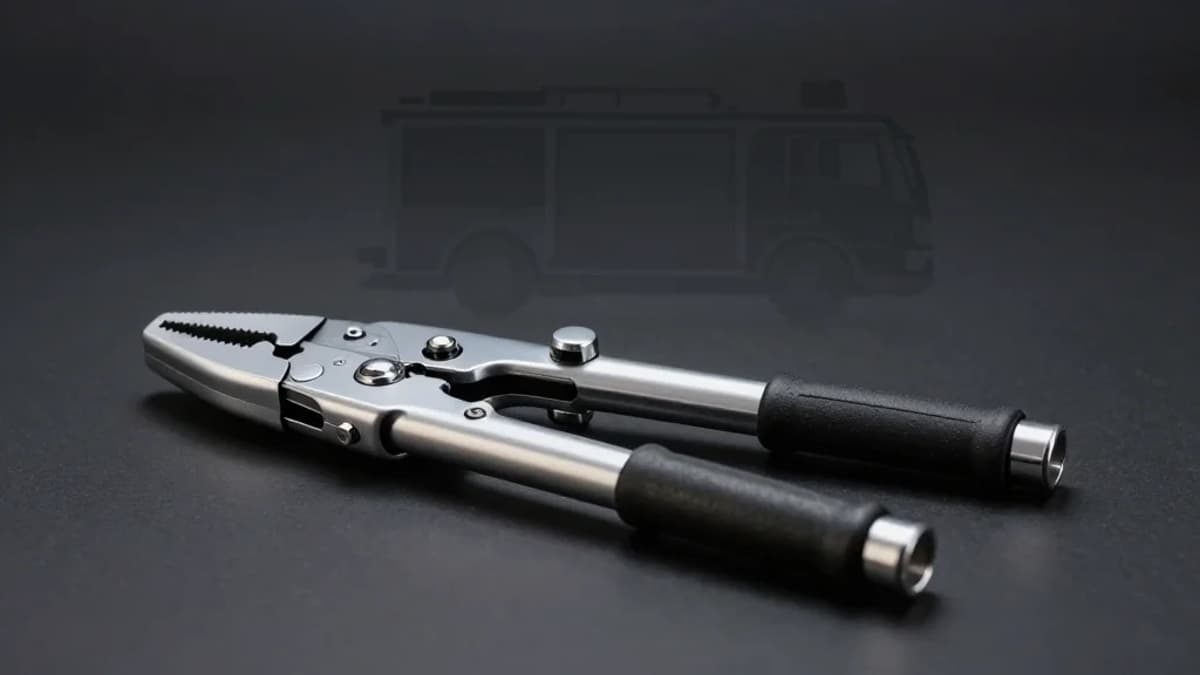
$40K Grant From Gary Sinise Foundation Helps Pa. FD Replace Outdated Extrication Tools
•February 23, 2026
0
Why It Matters
Upgraded rescue tools enhance public‑safety outcomes and operational efficiency for a small, volunteer‑heavy fire department. Securing such grants illustrates how targeted philanthropy can bridge critical funding gaps for frontline emergency services.
Key Takeaways
- •$40K grant upgrades extrication tools for West Hazleton FD.
- •New gear lifts vehicles, railcars, improves rescue speed.
- •Aging fire engine costs $1M; funding still uncertain.
- •Federal and congressional grants remain highly competitive.
- •Community support crucial for future equipment purchases.
Pulse Analysis
The Gary Sinise Foundation’s $40,000 grant to West Hazleton Fire Department exemplifies how private philanthropy can accelerate modernization of emergency‑response equipment. Replacing a 1994 extrication system with lighter, higher‑capacity struts not only speeds vehicle rescue but also expands capabilities to stabilize railcars and structures. For fire departments that rely heavily on volunteers, such upgrades translate directly into lives saved and reduced injury risk for responders, reinforcing the strategic value of targeted grants in the public‑safety sector.
Small municipalities often grapple with aging apparatus and limited budgets, as illustrated by West Hazleton’s 26‑year‑old fire engine requiring $25,000 in annual maintenance. While a new engine could cost between $1 million and $1.2 million, traditional funding streams like FEMA’s Assistance to Firefighters Grant (AFGR) and Congressional Community Project Funding are fiercely contested, with acceptance rates hovering below 15 percent. This competitive landscape forces fire chiefs to cultivate political allies and craft compelling grant applications, highlighting the critical role of local representatives in navigating federal funding mechanisms.
The broader implication is a growing reliance on hybrid financing models that blend charitable contributions, federal assistance, and elected‑official advocacy. Foundations such as Gary Sinise’s not only provide equipment but also raise the profile of first‑responder needs, prompting community leaders to prioritize public‑safety investments. As fire departments nationwide confront similar budgetary constraints, the West Hazleton case underscores the necessity of diversified funding strategies to sustain essential services and ensure readiness for complex rescue scenarios.
$40K grant from Gary Sinise Foundation helps Pa. FD replace outdated extrication tools
0
Comments
Want to join the conversation?
Loading comments...