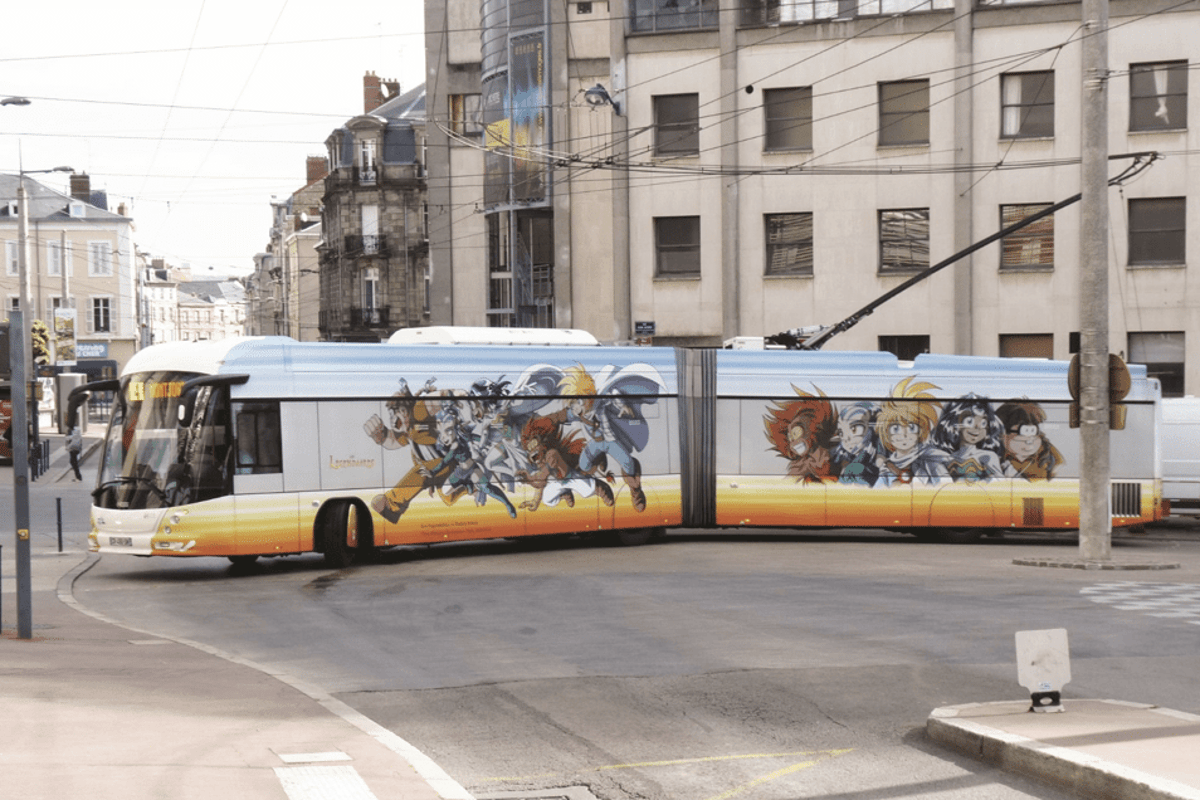
A New Operating Model for Limoges: Trolleybuses and E-Buses Take Centre Stage in the “Moovéo” Programme
Companies Mentioned
Why It Matters
The overhaul positions Limoges as a benchmark for fully electric urban mobility, cutting emissions while improving service frequency and lowering infrastructure costs for other European cities.
Key Takeaways
- •Moovéo will add two BRT lines using 33 battery‑electric buses by 2030
- •Trolleybus network reorganized into four IMC‑enabled routes, reducing overhead wires
- •Iveco to deliver up to 45 Gx 437 e‑buses, plus 13 Gx 337
- •Fast‑charging stations at termini will power BHNS fleet, cutting dwell time
- •High‑frequency service (6‑10 min) aims to boost trolleybus ridership share
Pulse Analysis
Limoges has long been a pioneer of electric transit, operating France’s oldest trolleybus network since 1943. The new Moovéo programme builds on that legacy by integrating battery‑electric buses and advanced In‑Motion‑Charging (IMC) technology, creating a hybrid system that can run both on and off overhead wires. This hybrid approach reduces visual clutter in historic city centres while preserving the efficiency of electric traction, a balance many municipalities struggle to achieve.
The centerpiece of Moovéo is the introduction of two Bus Rapid Transit corridors—Line A linking Beaubreuil to the University Hospital and Line B connecting Val de l’Aurence to Panazol. Both routes will feature dedicated lanes, signal priority and a fleet of 33 battery‑electric buses that recharge at fast‑charging terminals at each terminus. With headways of six to ten minutes, the service promises to cut travel times dramatically and attract new riders, potentially raising the trolleybus share of total journeys beyond the current 50 percent.
Iveco Bus’s contract to provide up to 45 Gx 437 articulated e‑buses and 13 Gx 337 units underscores the scale of the investment, with deliveries slated from 2028 through a four‑year rollout. Coupled with upgraded depots and ABB‑powered charging infrastructure managed by Dalkia, the project showcases a full‑stack electric mobility solution. As European cities grapple with decarbonisation targets, Limoges’ model demonstrates how legacy trolleybus networks can be modernised cost‑effectively, offering a replicable blueprint for sustainable urban transport.
A new operating model for Limoges: trolleybuses and e-buses take centre stage in the “Moovéo” programme
Comments
Want to join the conversation?
Loading comments...