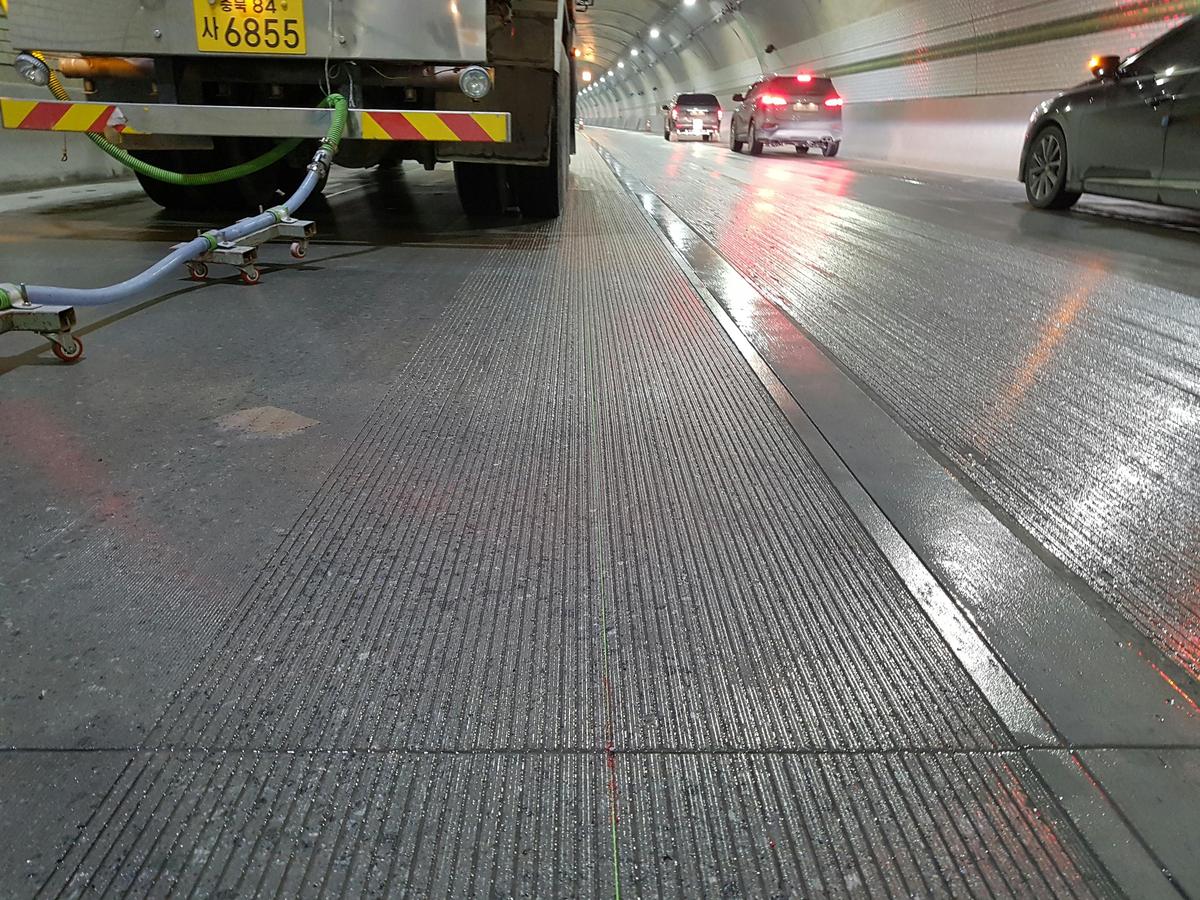
Why It Matters
Safety grooving delivers a proven, cost‑effective way to slash wet‑weather crashes, saving lives and reducing billions in accident‑related expenses for municipalities and insurers.
Key Takeaways
- •20% overall accident reduction; 70% drop in wet‑weather crashes
- •Diamond grooving channels water, raising tire‑pavement friction
- •Longitudinal grooves boost macrotexture two‑to‑five times
- •NGCS adopted in 16+ states, offering quieter, longer‑lasting roads
- •Automation cuts labor, improves groove precision and project speed
Pulse Analysis
The growing urgency to curb wet‑weather collisions has placed safety grooving at the forefront of pavement preservation strategies. By carving 1/8‑ to 3/16‑inch channels into road surfaces, engineers restore macro‑texture that water‑filled tires would otherwise lose, directly improving the coefficient of friction. Empirical evidence from Caltrans and the Transportation Research Board confirms that longitudinal grooving can slash overall accidents by 20% and wet‑condition crashes by up to 70%, translating into measurable public‑safety gains and lower insurance payouts.
Beyond safety, the technique offers compelling economic and environmental returns. Modern diamond‑tipped grooving machines feature automated blade spacing and water‑cooling systems that reduce labor hours while delivering consistent groove geometry. Coupled with IGGA’s Fuel/Carbon Savings Calculator, agencies can quantify long‑term fuel savings and CO₂ reductions stemming from smoother, better‑draining pavements. These data points strengthen the business case for municipalities, allowing them to justify preservation budgets with concrete sustainability metrics.
The latest evolution—Next Generation Concrete Surface (NGCS)—merges diamond grinding with longitudinal grooving to produce a quieter, non‑porous concrete deck that retains high skid resistance. Adopted in more than 16 states and several international jurisdictions, NGCS delivers longer service life, lower maintenance frequency, and reduced noise pollution, aligning with broader infrastructure resilience goals. As state DOTs prioritize climate‑smart, cost‑effective solutions, safety grooving is poised to become a standard component of roadway design, offering a scalable pathway to safer, greener, and more durable transportation networks.
Accident Reduction
Comments
Want to join the conversation?
Loading comments...