Why It Matters
By democratizing complex hydrological data, the tools improve drought response, flood mitigation and transboundary water allocation, boosting regional climate resilience and economic stability.
Key Takeaways
- •First African digital twin offers real‑time basin insights.
- •WaterCopilot enables plain‑language queries in English and Portuguese.
- •Workshop trained officials on scenario planning and AI model use.
- •Water AI project will pilot AI‑driven hydrological simulations in Limpopo.
Pulse Analysis
Southern Africa faces mounting water stress as climate variability intensifies, straining agriculture, energy production and urban supply. Traditional water‑resource planning often relies on fragmented datasets and delayed reporting, limiting the ability of authorities to react swiftly to droughts or floods. The introduction of a basin‑scale digital twin marks a shift toward integrated, data‑rich management, allowing stakeholders to visualize real‑time conditions and forecast impacts across national borders, a critical capability for the transboundary Limpopo River system.
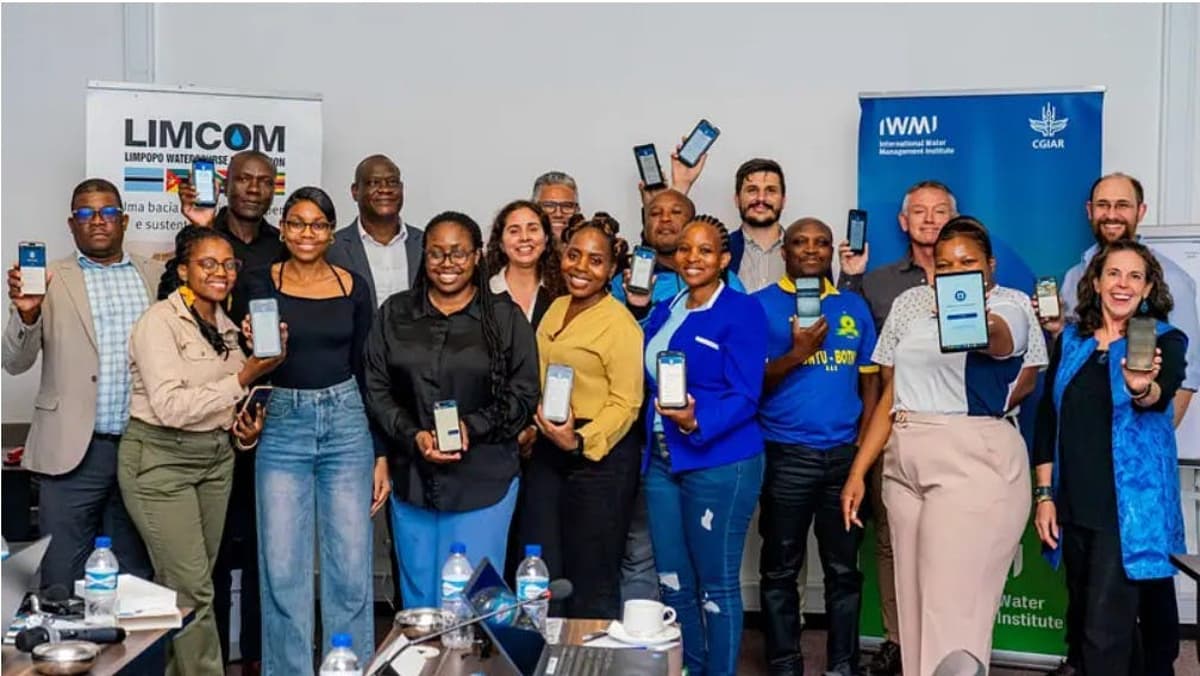
The Limpopo Digital Twin, paired with the WaterCopilot AI agent, exemplifies how public‑private collaboration can accelerate technology adoption in the water sector. Developed by IWMI with Microsoft’s AI expertise, WaterCopilot translates complex hydrological metrics into conversational answers, lowering the technical barrier for water managers and even community users. The April capacity‑building workshop equipped officials from four countries with hands‑on experience, enabling them to craft scenario analyses, test reservoir operations, and assess environmental‑flow thresholds without deep coding knowledge. This democratization of data fosters more coordinated decision‑making among LIMCOM member states.
Looking ahead, the Water AI project will extend the platform’s capabilities by embedding AI‑driven model calibration, allowing simulations that adapt to observed rainfall and flow patterns. Successful deployment in the Limpopo basin could serve as a blueprint for other African river systems, attracting investment from development banks and encouraging policy frameworks that prioritize data‑centric water governance. As AI tools become integral to climate adaptation strategies, they promise to enhance water security, support sustainable agriculture, and reduce economic losses from extreme weather events across the continent.
AI-powered tools to manage water in Africa
Comments
Want to join the conversation?
Loading comments...