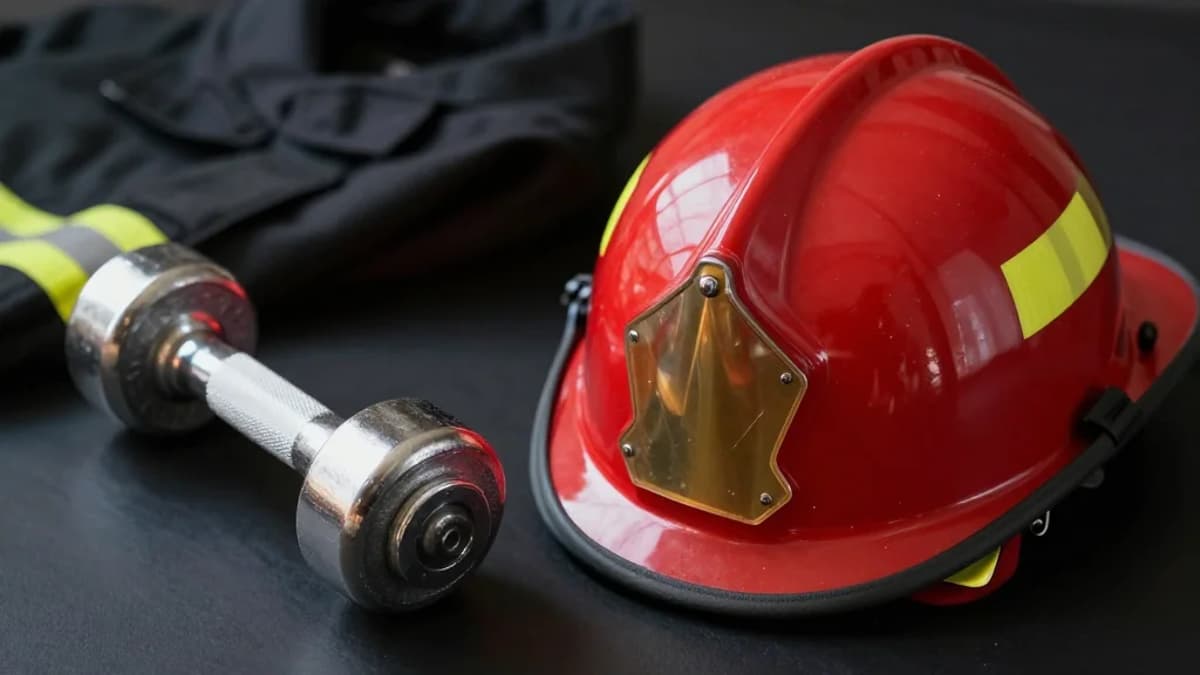
Ariz. FD Opens New Firehouse with Health-Focused Design
•February 24, 2026
0
Why It Matters
By prioritizing health‑focused infrastructure, Tucson reduces exposure risks and improves readiness, setting a potential benchmark for fire services nationwide.
Key Takeaways
- •15,000‑sq‑ft station replaces 1968 facility
- •Individual alerts notify only assigned firefighters
- •Dedicated decontamination prevents gear contamination
- •On‑site gym supports fitness and wellness
- •Third of five stations funded by Proposition 101
Pulse Analysis
Tucson’s new Station 14 illustrates a growing shift in fire‑service architecture toward health‑centric design. Recognizing the World Health Organization’s classification of firefighting as a carcinogenic profession, the department installed individualized alerting systems that wake only the crew members needed for a call, preserving rest for others. A dedicated decontamination area removes hazardous residues from turnout gear before firefighters enter sleeping quarters or dining spaces, directly addressing long‑standing concerns about chronic exposure to toxic substances.
Financially, the project was enabled by Proposition 101, a voter‑approved bond that earmarked roughly $10 million for modernizing Tucson’s fire infrastructure. By consolidating multiple functions—living, training, and decontamination—into a 15,000‑square‑foot footprint, the department expects operational efficiencies and lower long‑term maintenance costs. The inclusion of a state‑of‑the‑art gym underscores an investment in physical fitness, which correlates with reduced injury rates and improved on‑scene performance, offering a compelling return on investment for municipal stakeholders.
The implications extend beyond Tucson. As fire agencies grapple with rising line‑of‑duty illness claims and heightened awareness of occupational hazards, Station 14 serves as a prototype for future rebuilds. Cities nationwide may adopt similar health‑focused layouts, leveraging grant programs and public‑private partnerships to fund upgrades. Such proactive infrastructure can lower healthcare expenses, enhance recruitment by showcasing a commitment to employee well‑being, and ultimately improve community safety through a healthier, more resilient firefighting workforce.
Ariz. FD opens new firehouse with health-focused design
0
Comments
Want to join the conversation?
Loading comments...