Arkansas Wildland Fire Academy Deploys Simtable Tech for State Fire Agencies

Why It Matters
The Simtable system represents a tangible step toward modernizing public‑safety training in Arkansas, aligning the state with a growing national trend of using immersive simulation for emergency response. By giving firefighters a risk‑free environment to test tactics, the technology can improve situational awareness, reduce on‑scene errors, and ultimately lower the human and economic costs of wildfires. Beyond immediate training benefits, the initiative showcases how federal grant programs can catalyze local innovation. The partnership between the U.S. Forest Service, Arkansas Tech University, and state fire agencies creates a replicable model for other jurisdictions seeking to upgrade their emergency‑management capabilities without prohibitive capital outlays.
Key Takeaways
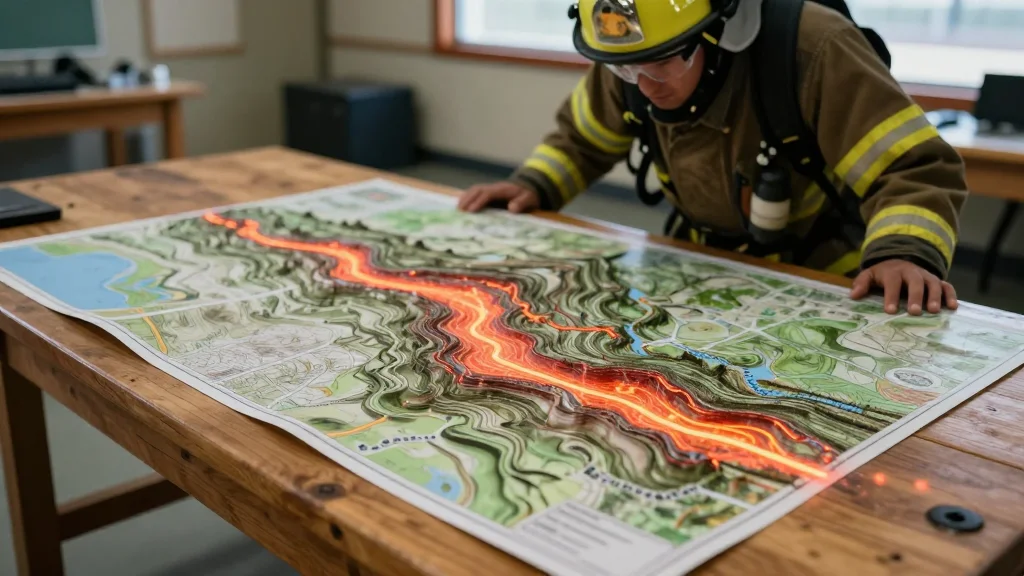
- •Arkansas River Valley Wildland Fire Academy launches Simtable system for fire training.
- •U.S. Forest Service grant funds the acquisition; grant amount not disclosed.
- •Simtable projects topographic maps and simulates fire behavior, weather, and response assets.
- •Fire management officer Wesley McKinney leads implementation and training rollout.
- •Additional state agencies will use the system for prescribed‑burn planning in the fall.
Pulse Analysis
The introduction of Simtable technology at the Arkansas River Valley Wildland Fire Academy underscores a shift in GovTech from static data dashboards to immersive, scenario‑based training tools. Historically, fire‑management education relied on classroom lectures and field exercises that could not fully replicate the chaotic variables of a real blaze. By embedding a high‑fidelity simulation platform into the curriculum, Arkansas is positioning its fire personnel to make faster, data‑driven decisions—a capability that has become a competitive advantage in states facing escalating wildfire threats.
From a market perspective, the Simtable’s deployment may stimulate demand for similar simulation solutions across other public‑safety domains, such as flood response and hazardous‑materials incidents. Vendors that can integrate real‑time sensor data, GIS layers and multi‑agency coordination modules will likely see increased interest from state and local governments seeking to modernize their emergency‑management suites. Moreover, the partnership model—leveraging federal grant money to offset capital costs—offers a blueprint for other jurisdictions to adopt advanced training tech without straining limited budgets.
Looking ahead, the true test will be how quickly the simulated insights translate into measurable field performance. If Arkansas can demonstrate reduced response times, lower incident escalation rates, or fewer injuries among firefighters, the Simtable could become a benchmark for GovTech investments in public safety. Such outcomes would not only validate the technology but also justify further federal funding for simulation‑based preparedness across the nation.
Arkansas Wildland Fire Academy Deploys Simtable Tech for State Fire Agencies
Comments
Want to join the conversation?
Loading comments...