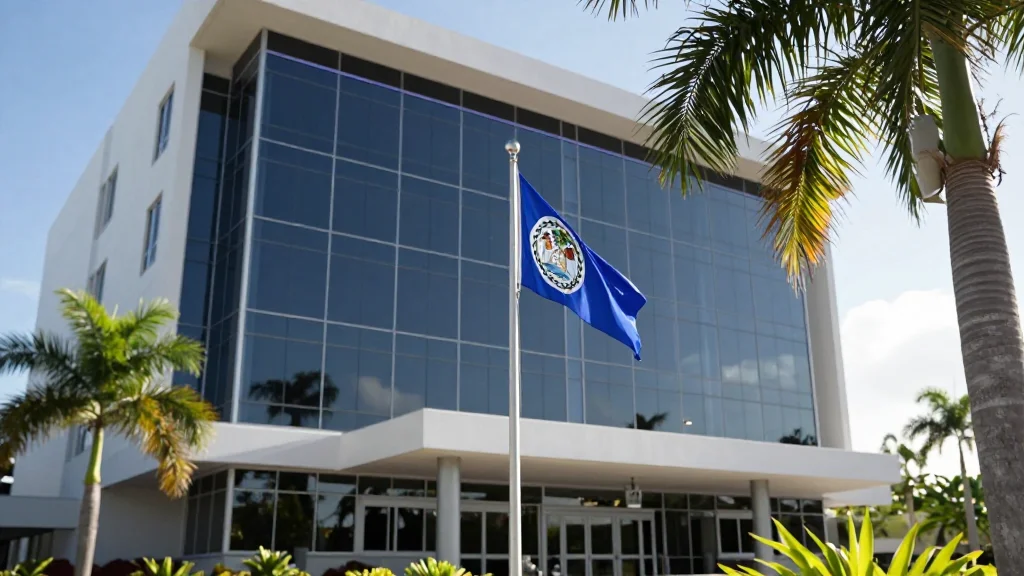
Belize Cabinet Endorses National Digital Agenda 2026‑2030 to Modernise Government Services

Why It Matters
The National Digital Agenda 2026‑2030 marks Belize's most ambitious attempt to digitise public services, a sector that traditionally lags behind private‑sector innovation. By committing to global technical standards, the government aims to reduce transaction costs for citizens and businesses, boost transparency, and lay the groundwork for data‑driven policymaking. Successful implementation could also catalyse a nascent GovTech ecosystem, encouraging local startups and attracting regional vendors seeking a foothold in a market poised for growth. Beyond immediate service improvements, the agenda signals Belize's intent to participate in the broader digital economy. Modernised government platforms can streamline customs procedures, improve tourism licensing, and enhance disaster‑response coordination—areas critical to the country's economic resilience. However, the plan's success will depend on addressing talent shortages, establishing robust cybersecurity safeguards, and enacting clear data‑privacy regulations.
Key Takeaways
- •May 19, 2026: Belize cabinet endorses the National Digital Agenda 2026‑2030
- •Agenda sets a five‑year roadmap to digitise citizen services and modernise government operations
- •Goal to align Belize with global technical standards for e‑government
- •Creation of a central digital coordination unit to oversee cross‑agency implementation
- •First implementation phase targets identity services and tax collection systems, slated for Q4 2026
Pulse Analysis
Belize's endorsement of a national digital agenda arrives at a time when many small economies are racing to catch up with larger digital governments. Historically, the country's e‑government initiatives have been piecemeal, often limited to isolated portals that lack integration. The new agenda's emphasis on a coordinated, standards‑based approach could break that pattern, but execution will be the true test.
From a market perspective, the agenda creates a modest but strategic procurement pipeline for GovTech vendors. Cloud migration services, cybersecurity firms, and low‑code platform providers stand to benefit, especially if the government adopts open‑source frameworks that lower licensing costs. Regional development banks have previously funded digital infrastructure projects in Central America; Belize may leverage those relationships to secure financing, reducing fiscal pressure on the national budget.
Talent remains the Achilles' heel. Small nations like Belize often lose skilled IT professionals to larger markets. The agenda's mention of capacity‑building is encouraging, yet without concrete programs—such as partnerships with universities, apprenticeship schemes, or incentives for diaspora returnees—the government risks stalling at the pilot stage. Moreover, the push toward data integration raises privacy concerns. Belize currently lacks comprehensive data‑protection legislation, and any breach could erode public trust, undermining the very goals of transparency and efficiency.
If the government can navigate these challenges, the agenda could serve as a template for neighboring states, positioning Belize as a digital‑government pioneer in the Caribbean basin. Success would likely spur private investment, improve service delivery, and enhance the country's competitiveness in tourism and trade. Conversely, delays or implementation gaps could reinforce skepticism about the viability of large‑scale digital reforms in resource‑constrained settings.
Overall, the National Digital Agenda 2026‑2030 is a bold policy signal. Its impact will hinge on the government's ability to translate strategic intent into operational reality, secure financing, and build the human capital needed to sustain a modern digital ecosystem.
Belize Cabinet Endorses National Digital Agenda 2026‑2030 to Modernise Government Services
Comments
Want to join the conversation?
Loading comments...