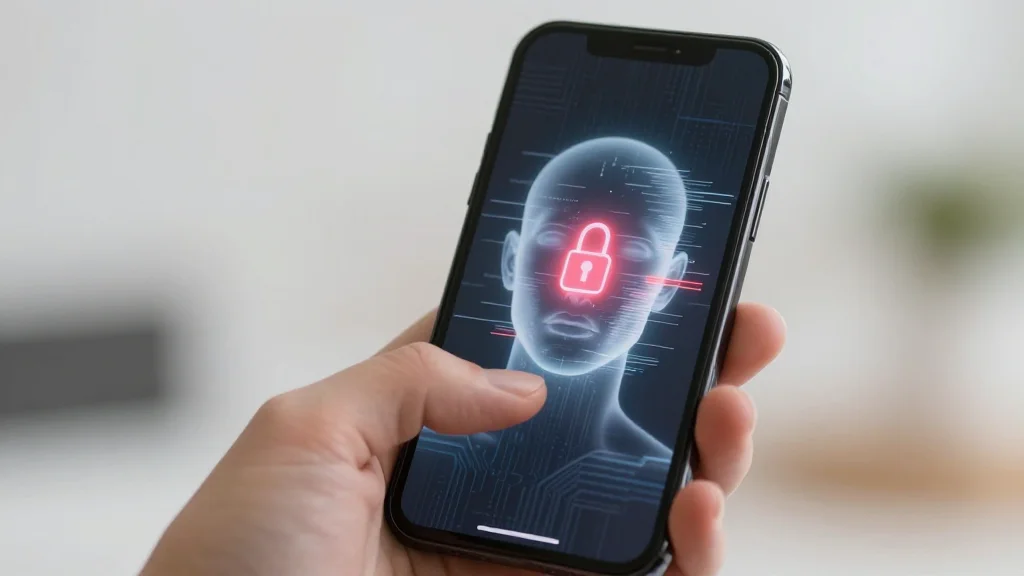
Bipartisan Senate Bill Takes Aim at AI Voice Cloning and Deepfake Fraud Targeting Mobile Users
Why It Matters
By criminalizing AI‑driven impersonation, the bill aims to close a regulatory gap that threatens mobile banking, two‑factor authentication, and consumer trust in digital identity systems.
Key Takeaways
- •Bill criminalizes AI-generated voice and video fraud on mobile devices
- •FTC gains explicit authority to enforce AI impersonation penalties
- •NIST to lead standards and detection benchmarks for synthetic media
- •Financial firms adopt anti-deepfake tools for mobile authentication
- •Prior AI Scam Prevention Act lacked criminal penalties and NIST mandate
Pulse Analysis
The rise of AI‑generated voice cloning and synthetic video has turned mobile phones into a new battlefield for fraudsters. While traditional phishing attacks rely on social engineering, deepfake scams can mimic a trusted voice or face with uncanny realism, bypassing two‑factor authentication that depends on voice or video verification. This technical leap has exposed a regulatory blind spot: existing statutes address generic fraud but lack provisions that target the unique capabilities of generative AI. The AI Fraud Accountability Act seeks to fill that void by defining synthetic media as a distinct category of criminal conduct and empowering the FTC to pursue violators across state lines.
Industry response has been swift. Major banks such as JPMorgan Chase have integrated anti‑deepfake detection into their mobile apps, leveraging machine‑learning models that flag anomalous audio patterns during liveness checks. Identity‑verification providers like Plaid are also deploying real‑time deepfake scanners to protect onboarding flows. These measures, however, are largely reactive. By mandating NIST to develop standardized detection benchmarks and security guidelines, the bill creates a proactive framework that could harmonize defenses across telecom carriers, fintech firms, and consumer devices. Consistent standards would enable faster sharing of threat intelligence and reduce the fragmentation that currently hampers coordinated defense.
If enacted, the legislation could reshape the economics of mobile fraud. Criminal penalties raise the cost of deploying deepfake scams, while clear enforcement authority signals to both domestic and foreign actors that AI‑enabled impersonation will be pursued aggressively. Moreover, the act may accelerate investment in biometric authentication methods that are less susceptible to synthetic replication, such as hardware‑based security keys and passkeys. For businesses, compliance will likely involve integrating NIST‑approved detection tools and updating incident‑response protocols, turning deepfake risk management into a core component of digital identity strategy.
Bipartisan Senate Bill Takes Aim at AI Voice Cloning and Deepfake Fraud Targeting Mobile Users
Comments
Want to join the conversation?
Loading comments...