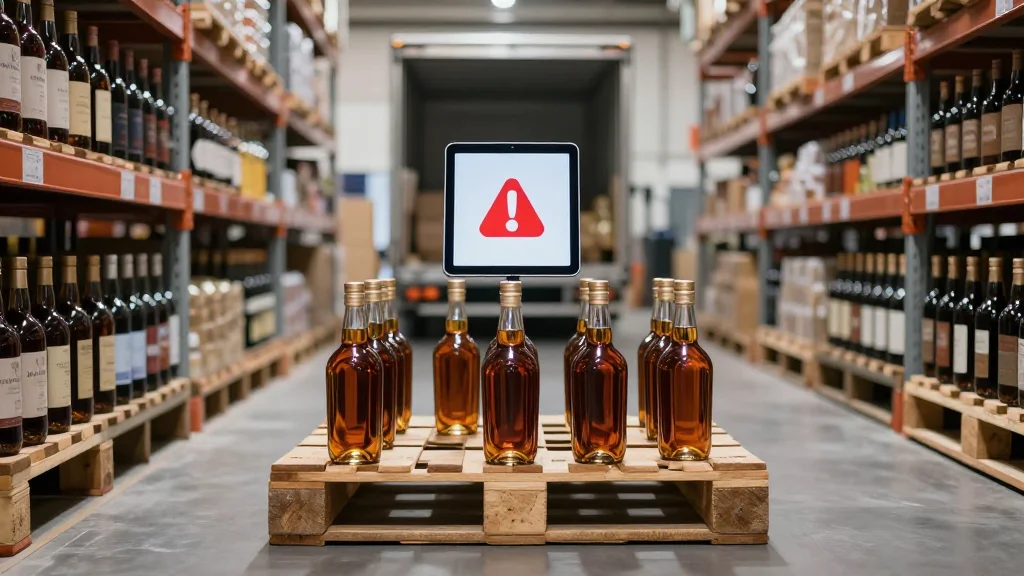
Botched IT Upgrade Ended Liquor Sales for the Entire State of Mississippi

Why It Matters
The outage deprives a 2.9 million‑person market of essential inventory, eroding state tax collections and threatening the viability of local retailers. It also fuels a policy debate on whether Mississippi should shift from a monopolistic, government‑controlled model to private distribution.
Key Takeaways
- •New IT system incompatible, halted statewide liquor distribution.
- •Orders fell 21.7% in five weeks, leaving 171k pending.
- •Lawsuits filed by at least four businesses for breach of contract.
- •State may consider privatizing distribution after $120M tax loss.
Pulse Analysis
Mississippi’s alcohol market operates under a unique monopoly: a single, state‑contracted warehouse supplies every bar, restaurant and retailer. When the contractor rolled out a new computer platform in early 2023, it failed to integrate with the Department of Revenue’s delivery network, and the simultaneous removal of conveyor belts left the facility unable to move inventory. The resulting bottleneck stranded roughly 174,000 cases of liquor and forced the system to rely on a handful of temporary workers, barely trimming the backlog of pending orders.
The economic fallout is immediate and severe. With sales plummeting from hundreds of daily transactions to just a few dozen, establishments across Jackson, the Gulf Coast and beyond have reported empty shelves, missed holiday revenue, and in some cases, permanent closures. The state’s liquor tax, a steady source of roughly $120 million annually, is now jeopardized, while businesses seek compensation through lawsuits alleging breach of contract and lost profits. The disruption also highlights the fragility of a single‑point distribution model, where a technical misstep reverberates across an entire economy.
Policymakers are now weighing long‑term reforms. Critics argue that privatizing distribution could introduce competition, improve resilience, and prevent future IT debacles. Proponents of the status quo point to the substantial tax revenue and the $95 million borrowing earmarked for a new warehouse slated for 2027. Regardless of the outcome, Mississippi’s experience serves as a cautionary tale for other states relying on centralized, government‑run supply chains, emphasizing the need for robust project management, contingency staffing, and transparent oversight when modernizing critical infrastructure.
Botched IT Upgrade Ended Liquor Sales for the Entire State of Mississippi
Comments
Want to join the conversation?
Loading comments...