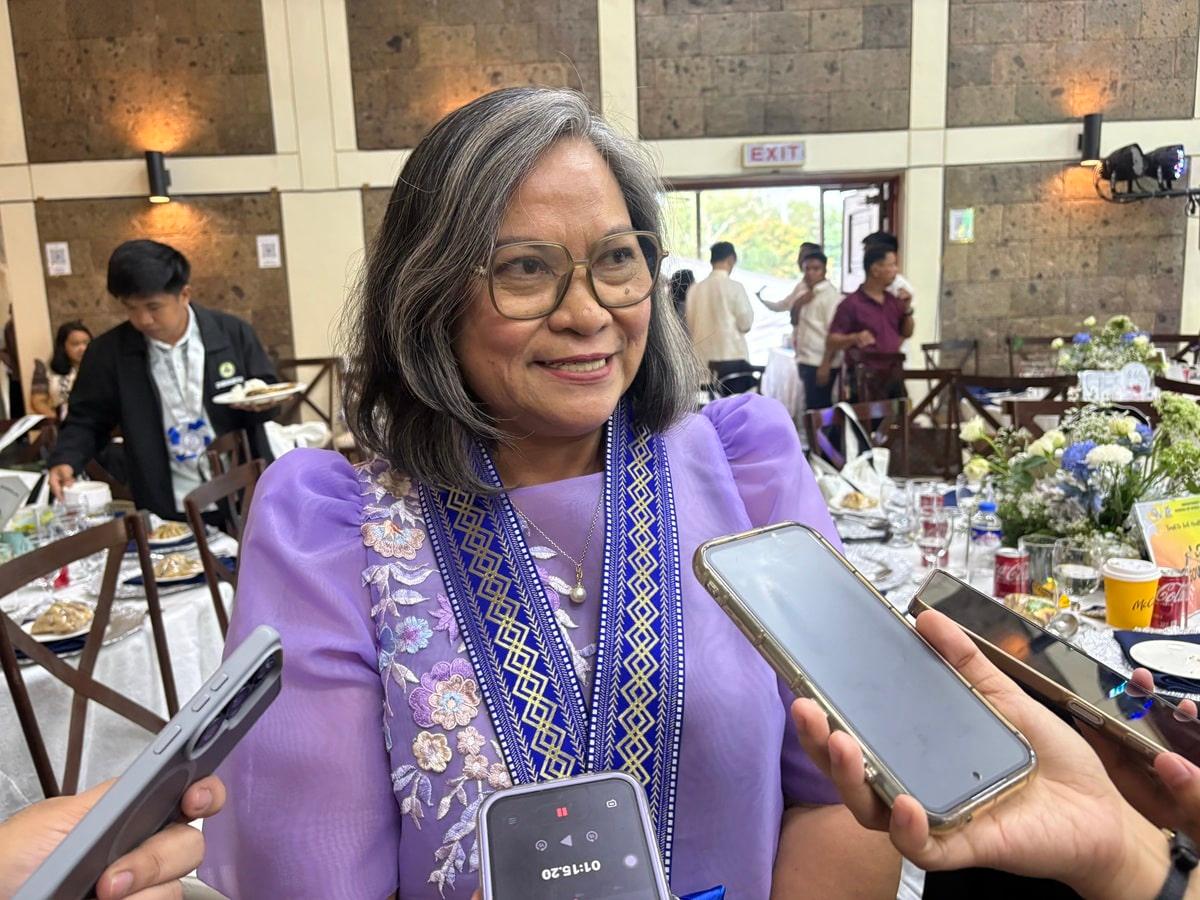
BSWM Launches Digital Platform to Boost Farm Yields
Why It Matters
FertMap equips smallholder farmers with data‑driven insights that can raise productivity, lower production expenses, and support sustainable agriculture, while giving policymakers granular information to design more effective agricultural interventions.
Key Takeaways
- •BSWM FertMap offers crop-specific fertilizer recommendations via georeferenced data
- •Platform helps farmers select optimal planting periods, boosting yields
- •Free access reduces over‑fertilization, cutting input costs and emissions
- •Data supports local governments in tailoring subsidies and agricultural policies
- •Initiative advances Philippines’ soil health program and sustainable farming
Pulse Analysis
The Philippines faces a perennial challenge of low farm productivity, driven by fragmented landholdings, limited access to agronomic information, and frequent over‑use of fertilizers that erode soil health. The Bureau of Soils and Water Management (BSWM), the agency tasked with safeguarding the nation’s soil and water resources, has responded by digitizing its National Soil Health Program. Earlier this month, BSWM unveiled FertMap, an online, georeferenced platform that aggregates soil analyses, climate data, and crop‑specific nutrient requirements, aiming to give smallholder farmers the same data‑driven tools once reserved for large agribusinesses.
FertMap translates complex soil profiles into simple, actionable recommendations. By entering a field’s coordinates and selecting a desired crop, users receive precise fertilizer dosages, bio‑fertilizer suggestions, and optimal planting windows tailored to local weather patterns. The service is offered at no cost, removing a financial barrier that has traditionally limited technology adoption among Philippines’ 10‑million smallholder farmers. Early pilots report yield gains of up to 20 percent and a 15 percent reduction in fertilizer spend, while also curbing nutrient runoff that threatens nearby waterways.
The platform’s impact extends beyond individual farms. Because the database is publicly accessible, local government units and the Department of Agriculture can layer FertMap insights with subsidy programs, targeting assistance to regions where soil deficiencies are most acute. This data‑centric approach promises more efficient allocation of public funds, supports climate‑smart agriculture, and aligns with the government’s goal of achieving sustainable intensification by 2030. As digital agriculture gains traction across Southeast Asia, FertMap positions the Philippines as a regional leader in leveraging open‑source soil intelligence for food security.
BSWM launches digital platform to boost farm yields
Comments
Want to join the conversation?
Loading comments...