Build Fast, Pay Your Way: Washington’s AI Infrastructure Doctrine
Why It Matters
The policy removes permitting bottlenecks while preventing hidden electricity cost spikes for consumers, reshaping the economics of hyperscale AI facilities and creating new revenue streams for utilities and developers.
Key Takeaways
- •Federal policy treats data centers as strategic infrastructure.
- •Companies must fund grid upgrades and new generation.
- •DOE earmarks 16 federal sites for AI‑ready campuses by 2027.
- •FAST‑41 permits accelerate approvals while preserving environmental review.
- •New reporting rules aim for transparent data‑center energy use.
Pulse Analysis
The surge in generative‑AI workloads has turned data centers into the most power‑intensive industrial users in the United States. Until this year, developers navigated a patchwork of state incentives, local permitting delays and opaque cost‑allocation that often shifted transmission and generation expenses onto ratepayers. Washington’s new doctrine reframes these facilities as national‑level infrastructure, aligning them with highways and broadband in policy priority. By treating AI campuses as strategic assets, the administration can marshal federal land, streamline environmental reviews, and coordinate power planning across agencies, delivering the speed the sector demands.
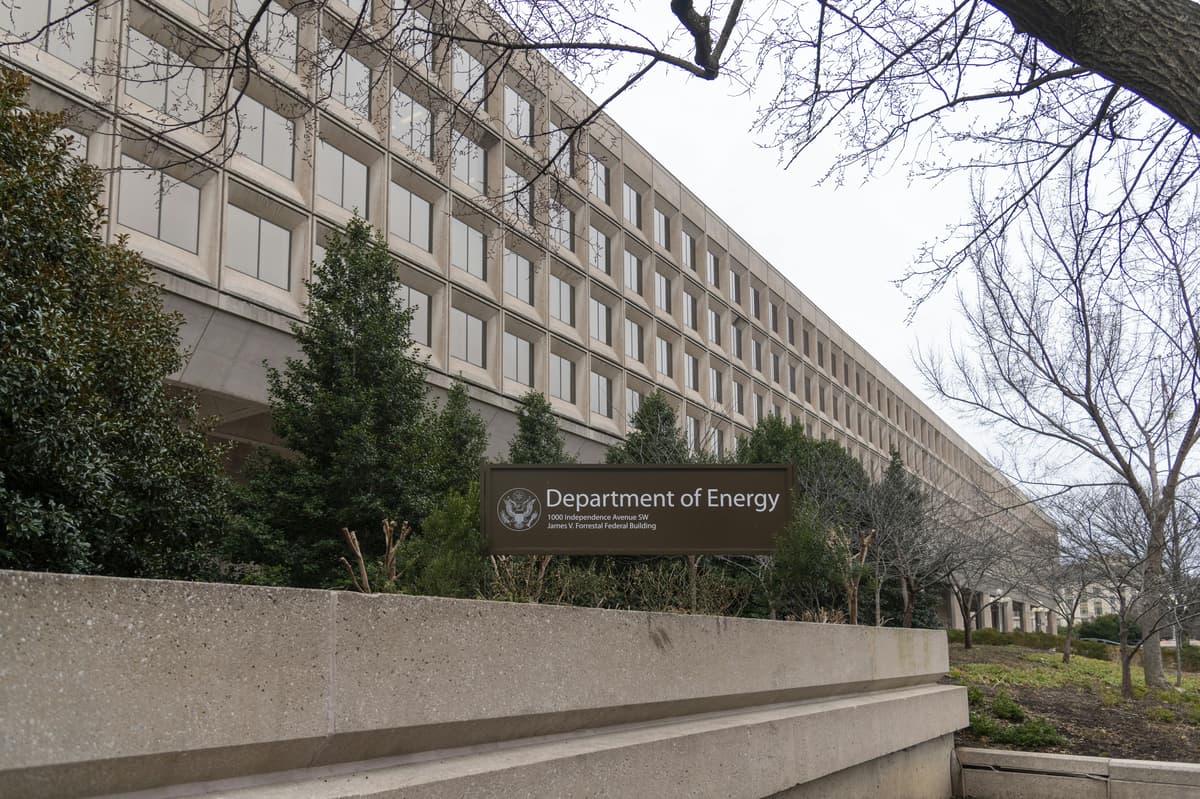
The March 4 Ratepayer Protection Pledge secured commitments from the seven biggest cloud and AI firms to “build, bring, or buy” the electricity needed for their upcoming campuses, covering the full price of new generation and transmission upgrades. The Department of Energy’s request for information on AI infrastructure identified 16 federal parcels—many with existing grid connections—that could host co‑located power plants and be operational by late 2027. Meanwhile, the FAST‑41 permitting pathway and forthcoming FERC large‑load interconnection rules give developers a predictable timeline while preserving environmental safeguards and ensuring utilities recover costs transparently.
These coordinated actions create a clear business case for investors: rapid deployment is possible, but the financial responsibility for grid reinforcement now rests with the data‑center owners. Utilities stand to earn stable, long‑term contracts for firm generation, while ratepayers are insulated from hidden price hikes. The emphasis on water‑efficient cooling and mandatory energy‑use reporting adds another layer of accountability, signaling that future AI campuses must meet both power and environmental standards. In practice, the doctrine accelerates AI capacity growth while reshaping the economics of the entire data‑center supply chain.
Build Fast, Pay Your Way: Washington’s AI Infrastructure Doctrine
Comments
Want to join the conversation?
Loading comments...