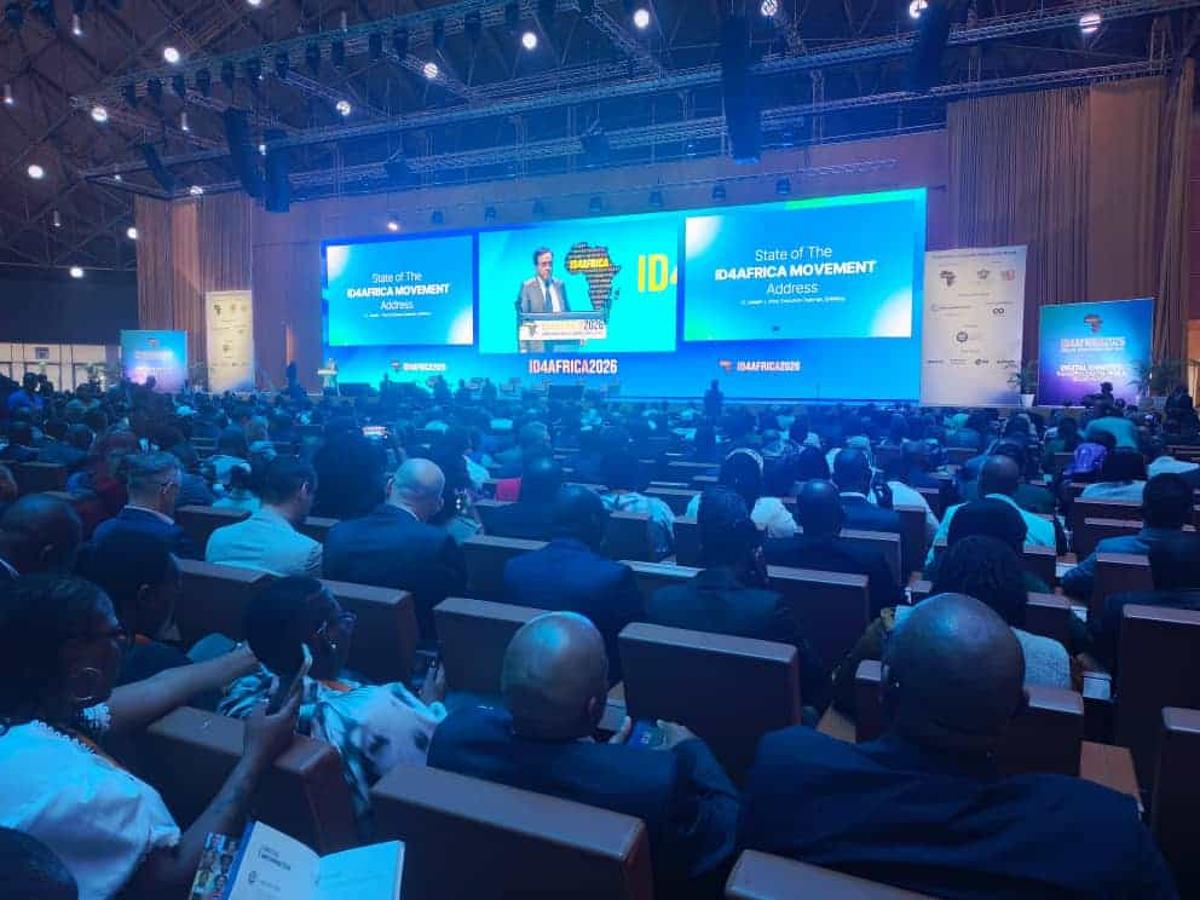
Building Digital ID Systems that Last: African Countries Share Experiences as ID4Africa 2026 Opens
Why It Matters
Sustainable digital ID systems are the backbone of financial inclusion, public service delivery, and economic growth across Africa, making their design and governance critical for the continent’s development trajectory.
Key Takeaways
- •Nigeria migrates 130M IDs to open‑source MOSIP for scalability.
- •Ghana adds adjudication pathways to prevent exclusion of vulnerable citizens.
- •Côte d’Ivoire’s ID success rests on political will, governance, investment.
- •Morocco builds digital ID on existing 1950s card system for continuity.
- •Kenya adopts lifecycle identity model linking birth to death for trust.
Pulse Analysis
The ID4Africa 2026 gathering highlighted a pivotal moment for the continent’s digital identity landscape. As governments grapple with legacy systems, the conference showcased a clear consensus: long‑term viability hinges on open, API‑driven architectures and strong institutional frameworks. Nigeria’s transition of over 130 million records to an open‑source MOSIP platform illustrates how cost‑effective, interoperable solutions can replace vendor‑locked models, while Côte d’Ivoire’s emphasis on political commitment, robust governance, and sustainable financing provides a blueprint for scaling identity infrastructure without fiscal strain.
Inclusion emerged as a recurring theme, with Ghana’s National Identification Authority pioneering adjudication pathways that safeguard vulnerable populations from biometric rejections. By treating the national ID card as a single source of truth for banking, SIM registration, and passport services, Ghana balances universal coverage with safeguards against exclusion. Morocco’s pragmatic approach—extending a proven 1950s physical ID system into the digital realm—demonstrates that continuity can coexist with modernization, reducing implementation risk and leveraging existing public trust. Benin’s consolidation of identity responsibilities under a single agency further underscores the importance of clear institutional mandates for efficient service delivery.
The broader implications for African economies are profound. Reliable digital IDs unlock access to credit, health, and social welfare programs, driving financial inclusion and fostering a digital economy. As Kenya adopts a lifecycle identity model that tracks citizens from birth to death, the region moves toward a unified trust ecosystem capable of supporting cross‑border services and private‑sector innovation. Sustainable financing models and data‑governance frameworks discussed at the summit will be essential to scale these systems responsibly, positioning digital identity as a strategic public asset for the next decade.
Building digital ID systems that last: African countries share experiences as ID4Africa 2026 opens
Comments
Want to join the conversation?
Loading comments...