California Considers High-Speed Buses with V2X Technology
Why It Matters
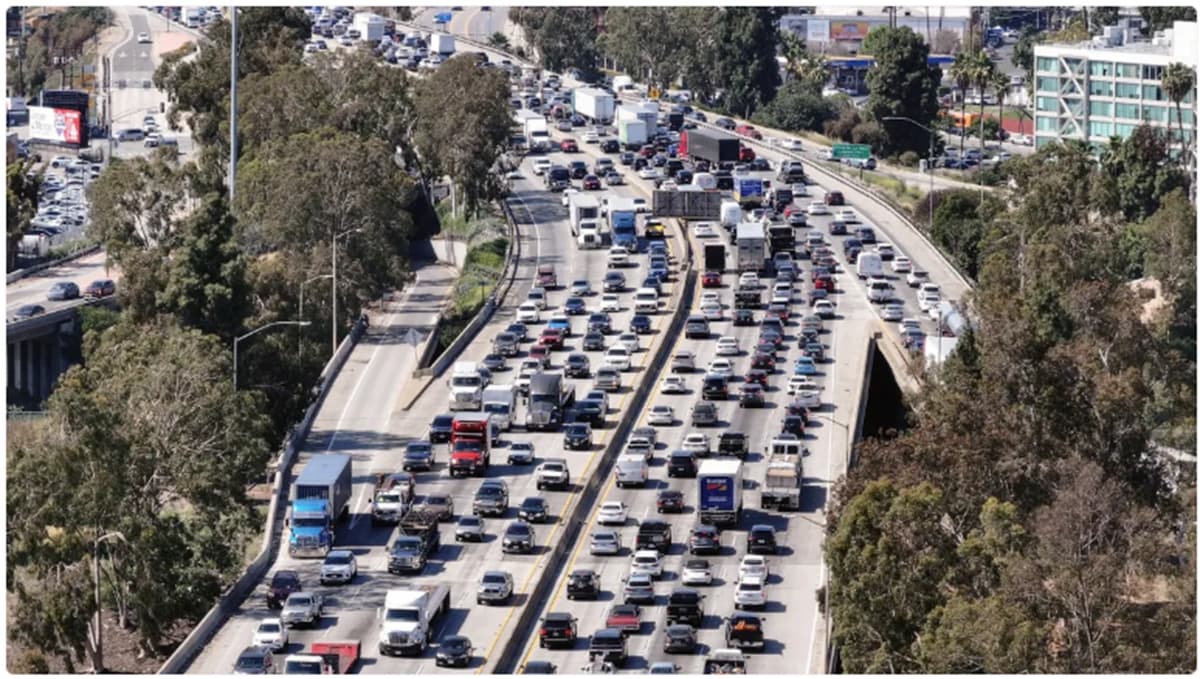
If realized, high‑speed buses could slash intercity travel times, alleviate freeway congestion, and revive California’s stalled mobility agenda while leveraging emerging autonomous and V2X technologies.
Key Takeaways
- •Caltrans studies 140 mph buses on exclusive freeway lanes
- •Dedicated lanes required to isolate buses from regular traffic
- •Autonomous systems like lane‑keeping and emergency braking essential
- •V2X communication will coordinate buses with infrastructure and other vehicles
- •High‑speed bus plan offers alternative to delayed high‑speed rail
Pulse Analysis
California’s transportation landscape has been dominated by the high‑speed rail saga, a project that has faced cost overruns and timeline extensions since its inception in 2008. As the state grapples with mounting congestion on its interstate corridors, policymakers are turning to a more incremental yet technologically sophisticated solution: high‑speed buses. By leveraging existing freeway right‑of‑ways and retrofitting them with dedicated lanes, the state hopes to deliver rail‑like speeds without the massive capital outlays that have hampered rail progress.
The technical blueprint outlined in Caltrans’ 2025 research report hinges on two emerging pillars: autonomous vehicle safety systems and vehicle‑to‑everything (V2X) connectivity. At speeds approaching 140 mph, human reaction times become a limiting factor, prompting the integration of lane‑keeping assistance, automatic emergency braking, and adaptive cruise control to maintain safe headways. Simultaneously, V2X enables real‑time data exchange between buses, roadside sensors, and traffic‑management centers, allowing dynamic speed adjustments and proactive hazard avoidance. These technologies collectively aim to create a controlled, high‑throughput corridor that mimics the reliability of rail while retaining the flexibility of road transport.
From a business perspective, the high‑speed bus model opens new revenue streams for both public agencies and private operators. Faster intercity service could attract commuters who currently rely on air travel or personal vehicles, boosting farebox recovery and reducing emissions per passenger mile. Moreover, the modular nature of bus fleets allows incremental scaling, aligning capital expenditures with demand. If successful, the initiative could set a precedent for other congested corridors nationwide, positioning California as a testbed for next‑generation, data‑driven mobility solutions.
California considers high-speed buses with V2X technology
Comments
Want to join the conversation?
Loading comments...