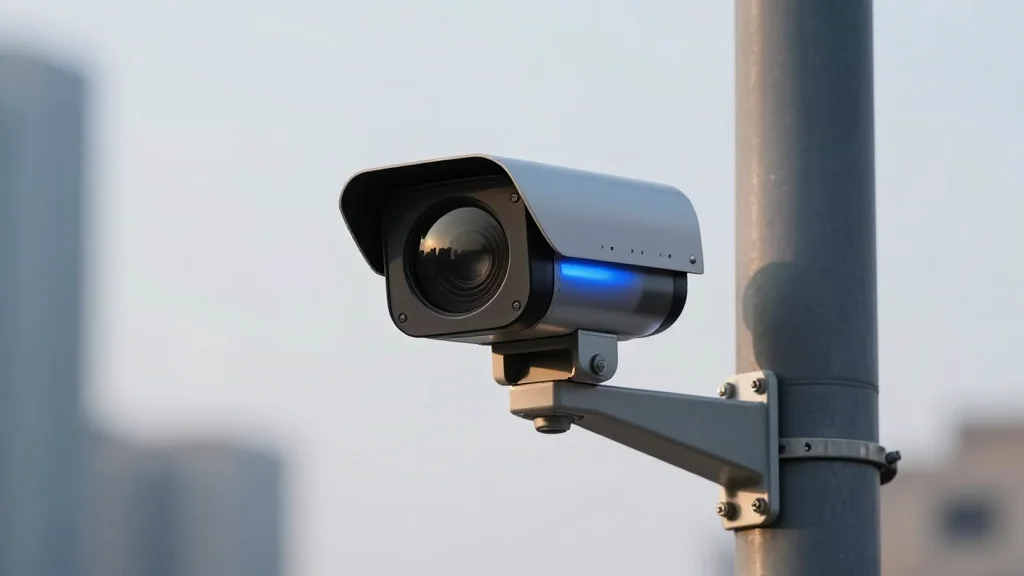
Charlotte, N.C., Residents Add Cameras to Police Network
Why It Matters
The crowdsourced camera network expands real‑time situational awareness, potentially reducing response times and solving crimes faster, while raising privacy considerations for law‑enforcement data use.
Key Takeaways
- •2,075 resident cameras registered, boosting police visual coverage
- •1,363 business cameras provide live feeds for real‑time investigations
- •Police can request footage, but must obtain owner permission first
- •Program stresses encryption and restricted internal access to protect privacy
- •CMPD plans broader public outreach to increase participation
Pulse Analysis
Community‑sourced surveillance is gaining traction across U.S. cities as municipalities look for cost‑effective ways to augment traditional policing resources. Charlotte’s Connect Charlotte program mirrors initiatives in Detroit and Los Angeles, where residents and merchants voluntarily add their private cameras to a shared law‑enforcement platform. By leveraging existing infrastructure, cities avoid the capital expense of installing new hardware while tapping into a dense visual grid that can cover neighborhoods, parking lots, and commercial corridors. The model also taps into a growing public desire for collaborative safety solutions, especially in areas where crime rates have risen.
From an operational standpoint, the live‑feed capability gives officers a tactical edge during active incidents. Real‑time footage can confirm the presence of weapons, identify getaway vehicles, or pinpoint suspect movements, allowing dispatchers to allocate resources more precisely. In narcotics busts and robbery investigations, the ability to pull a live stream or request recorded clips has already yielded leads that might otherwise remain hidden. Moreover, the data pipeline feeds directly into CMPD’s real‑time crime center, where analysts can fuse video with other intelligence sources, creating a richer situational picture that shortens investigative timelines and improves officer safety.
Privacy remains the program’s most delicate balance. CMPD stresses that only registered owners can grant livestream access and that all data is encrypted and confined to authorized personnel. This approach mirrors emerging best practices that aim to prevent mission creep while maintaining public trust. As the network expands, policymakers will need to monitor consent mechanisms, data retention policies, and oversight structures to ensure the technology serves community safety without eroding civil liberties. Continued transparency and clear communication will be essential for sustaining participation and scaling the model nationwide.
Charlotte, N.C., Residents Add Cameras to Police Network
Comments
Want to join the conversation?
Loading comments...