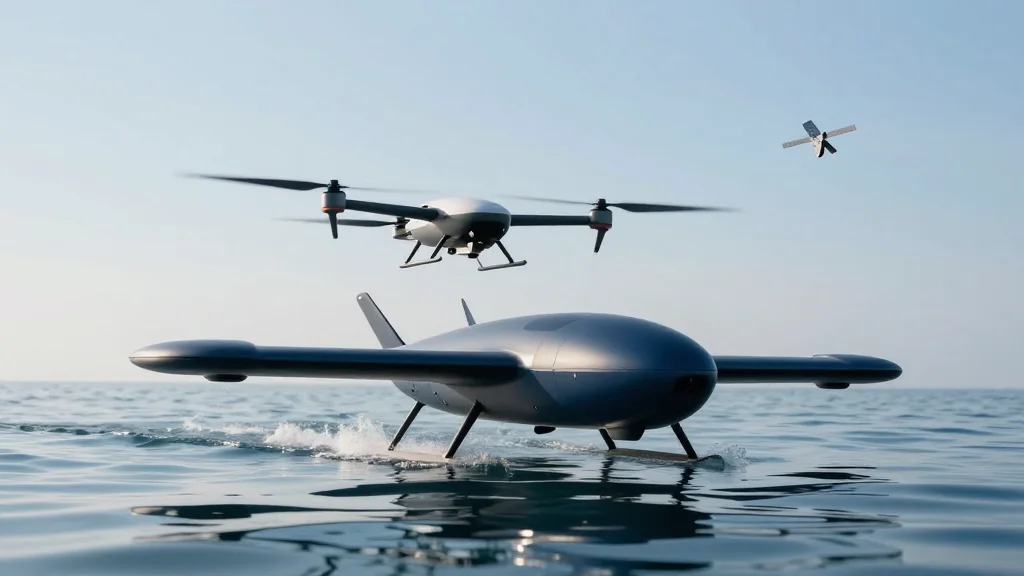
Coast Guard Launches RAS PEO to Unify Uncrewed Systems
Why It Matters
By consolidating unmanned capabilities and adopting faster procurement methods, the Coast Guard can deploy cutting‑edge autonomous systems that enhance maritime security, rescue operations, and regulatory enforcement. This shift signals a broader defense trend toward institutionalizing rapid, industry‑driven innovation.
Key Takeaways
- •Coast Guard creates RAS PEO to unify unmanned assets across domains
- •New office adopts rapid acquisition methods like Other Transaction Authority
- •Industry partnerships emphasized to accelerate prototype development and fielding
- •Organizational shift mirrors Navy’s integrated approach, ending decades of siloed oversight
- •Focus on iterative feedback loops to refine autonomous systems quickly
Pulse Analysis
The U.S. Coast Guard has long experimented with unmanned aerial, surface and underwater vehicles, but those projects lived in separate bureaus, slowing decision‑making and creating duplicate effort. By establishing the Robotic and Autonomous Systems Program Executive Office (RAS PEO), the service consolidates air, surface, space and shore‑based autonomy under a single authority, echoing the Navy’s integrated model. This structural overhaul turns a patchwork of “pet projects” into a coordinated portfolio, allowing senior leaders to align resources, set common standards, and track performance across all domains.
Traditional defense procurement, governed by the Federal Acquisition Regulation, can take years—far too slow for technology that evolves on a commercial cycle. The RAS PEO is therefore leveraging Other Transaction Authorities and other non‑FAR contracting tools to source commercial off‑the‑shelf solutions, prototype rapidly, and field capabilities in months rather than years. This agile approach lets operators test systems, provide immediate feedback, and iterate designs before committing to large‑scale production, reducing risk while keeping the Coast Guard at the forefront of maritime autonomy.
The Coast Guard’s emphasis on early industry engagement reflects a broader shift in U.S. defense toward public‑private innovation ecosystems. By partnering with commercial drone manufacturers, maritime robotics firms, and academic labs, the RAS PEO can tap cutting‑edge sensors, AI navigation and low‑cost production methods that the service could not develop internally. Faster fielding of reliable uncrewed vessels enhances search‑and‑rescue, drug interdiction and environmental monitoring, strengthening national security and public safety. As autonomous platforms mature, the RAS PEO is positioned to become a model for other services seeking to institutionalize rapid, mission‑focused autonomy.
Coast Guard Launches RAS PEO to Unify Uncrewed Systems
Comments
Want to join the conversation?
Loading comments...