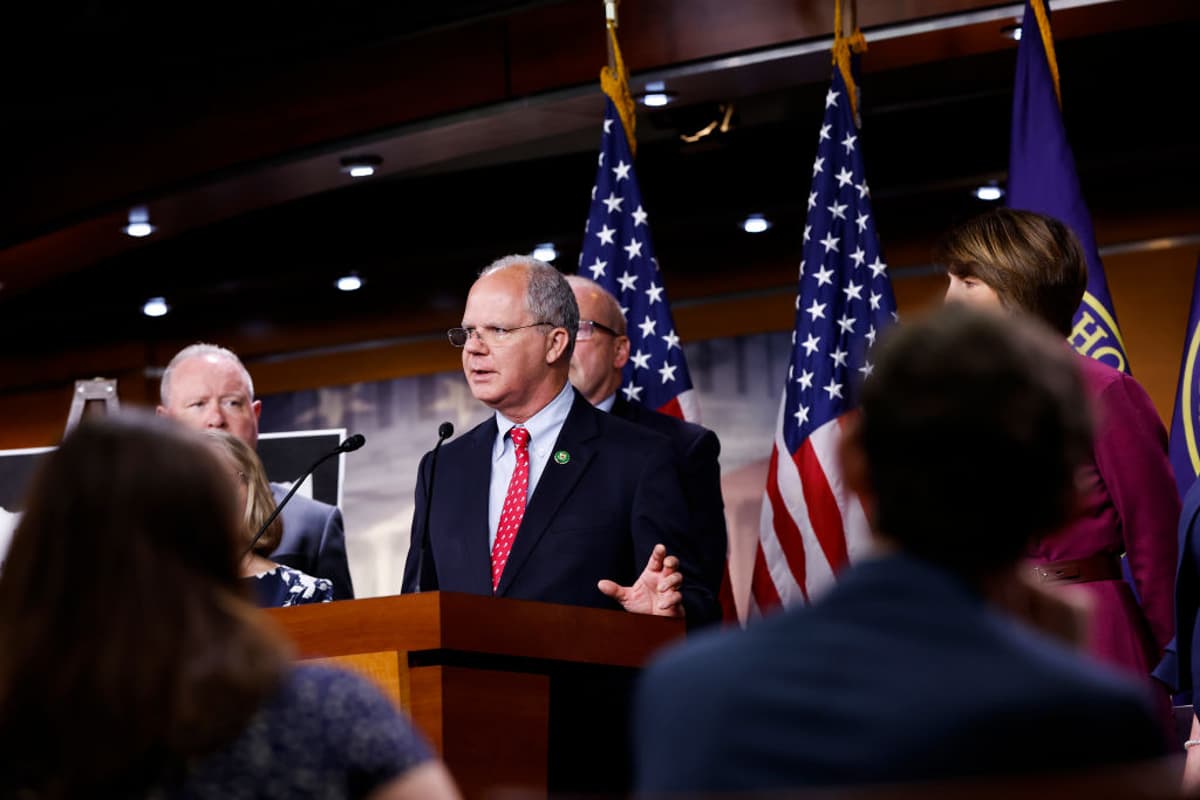
Congress Looks to Revive Critical Cyber Program for Rural Electric Utilities
•March 6, 2026
0
Why It Matters
The funding and governance reforms shore up vulnerable rural grid components, reducing national security risk and enhancing overall energy reliability.
Key Takeaways
- •$250M grant funding approved for next five years
- •Program supports underfunded rural electric cooperatives
- •Bills centralize cybersecurity leadership within DOE
- •Targets state-sponsored hackers like Volt Typhoon
- •Mandates states embed cybersecurity in energy plans
Pulse Analysis
The Rural and Municipal Utility Advanced Cybersecurity program, created under the 2022 Infrastructure Investment and Jobs Act, has become a lifeline for thousands of small electric cooperatives that lack dedicated IT staff. By reauthorizing the initiative and allocating an additional $250 million over five years, Congress aims to close a glaring funding gap that leaves rural grids vulnerable to intrusion. These utilities, which serve remote communities across dozens of counties, often operate with one or two cybersecurity personnel, making federal grants and technical assistance essential for maintaining reliable service and protecting customer data.
Cyber threats to the energy sector have intensified, with state‑sponsored actors such as China’s Volt Typhoon targeting critical infrastructure. The legislation’s Energy Emergency Leadership Act consolidates cybersecurity functions under a Senate‑confirmed assistant secretary, streamlining decision‑making and improving information sharing across the Department of Energy, the Office of Cybersecurity, Energy Security and Emergency Response, and the newly codified Energy Threat Analysis Center. This structural reform is designed to accelerate response times, coordinate threat intelligence, and ensure that rural utilities receive timely guidance on deploying modern defenses like intrusion‑detection systems and zero‑trust architectures.
Beyond immediate funding, the package signals a broader shift toward integrating cybersecurity into state energy planning and pipeline protection. By requiring states to embed cyber resilience in their energy strategies, the bills create a uniform baseline that can reduce systemic risk across the nation’s grid. Industry analysts expect the infusion of resources and clearer governance to spur private‑sector partnerships, drive adoption of advanced monitoring tools, and ultimately strengthen the overall reliability of the U.S. electricity network. For investors and policymakers, the move underscores the growing recognition that cyber readiness is as critical as physical infrastructure in the energy transition.
Congress looks to revive critical cyber program for rural electric utilities
0
Comments
Want to join the conversation?
Loading comments...