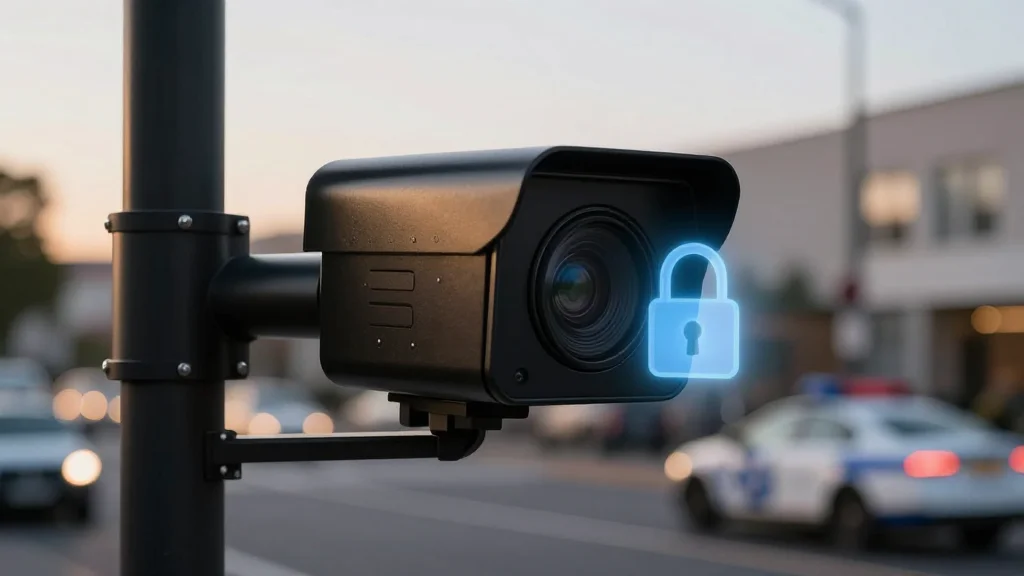
Connecticut Community Voices Concern Over Flock Safety Data
Why It Matters
The debate pits measurable public‑safety gains against growing demands for data privacy and immigrant‑community trust, influencing how municipalities nationwide deploy surveillance technology.
Key Takeaways
- •Norwalk's stolen vehicle rate fell 45% after installing Flock cameras
- •Police limited data sharing to out‑of‑state agencies after community pushback
- •Residents demand clear safeguards on private‑company‑handled surveillance data
- •Immigrant groups fear camera data could be used for federal immigration enforcement
- •City council considering contract termination amid statewide legislative proposals
Pulse Analysis
License‑plate readers like Flock Safety’s system have become a staple of modern policing, offering real‑time vehicle identification that can quickly link stolen cars to suspects. In Norwalk, the technology appears to be delivering on its promise: police report a 45% reduction in auto theft and dozens of recoveries since the cameras went live in 2023. These outcomes echo findings from other jurisdictions where automated plate recognition (APR) has helped curb property crimes and streamline investigations, positioning the tools as attractive assets for budget‑constrained departments seeking measurable results.
Yet the benefits are increasingly weighed against privacy and civil‑rights concerns. Critics argue that private‑company‑owned data clouds create opaque ownership structures, making it difficult to enforce strict usage limits. In Norwalk, community leaders fear that surveillance footage could be repurposed for federal immigration enforcement, a sentiment reinforced by reports of out‑of‑state agencies accessing Connecticut APR data. The police department’s decision to cease sharing with non‑state entities and to audit officer queries reflects a growing trend of internal safeguards designed to rebuild public trust, especially among immigrant populations wary of law‑enforcement overreach.
The controversy is shaping policy at both local and state levels. Connecticut legislators are drafting bills to tighten control over APR data, while municipalities like Windsor have already shuttered similar contracts. Norwalk’s council now faces a pivotal choice: retain the cameras and continue crime‑reduction gains, or terminate the agreement to align with emerging privacy standards. The outcome will signal how cities balance technology‑driven security with the imperative for transparent data governance, setting a precedent for other U.S. communities navigating the same crossroads.
Connecticut Community Voices Concern Over Flock Safety Data
Comments
Want to join the conversation?
Loading comments...