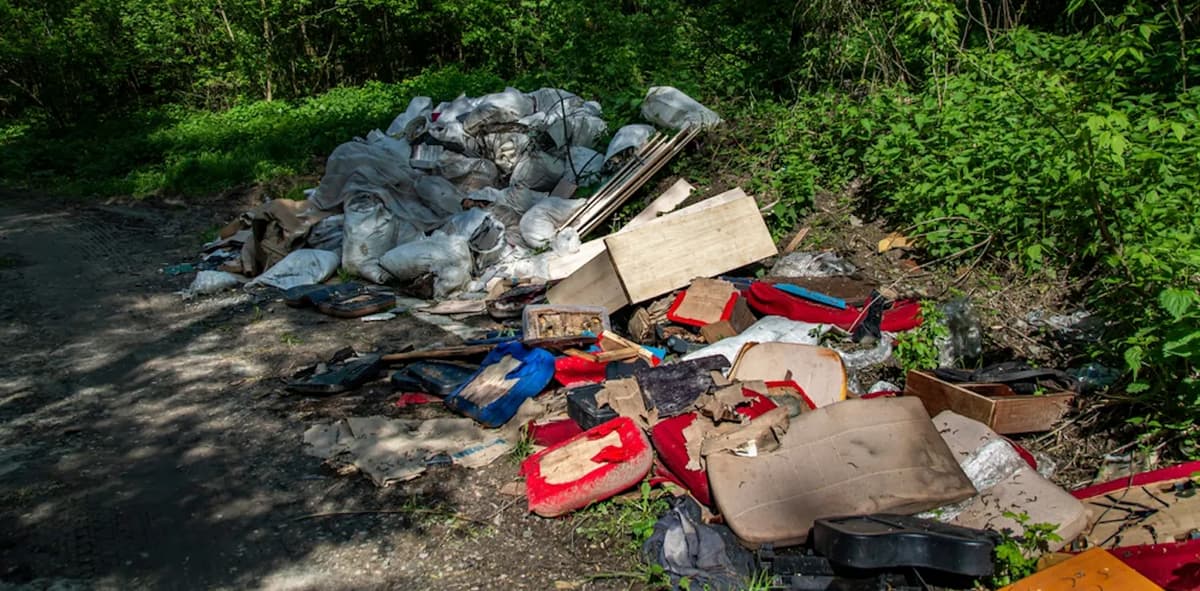
Criminal Fly-Tipping Gangs Are Costing Governments Millions – AI and Drones Can Help Track Waste Dumpers
Why It Matters
The scale of waste crime threatens public health, ecosystems, and billions of taxpayer dollars, making early detection and transparent tracking essential for effective regulation and cost containment.
Key Takeaways
- •UK waste crime costs ~£1 bn ($1.25 bn) annually.
- •1.26 million fly‑tipping incidents reported in England 2024‑25, up 9%.
- •Drones and AI can locate illegal dumps before environmental damage spreads.
- •Digital waste‑tracking service launches Oct 2026 to improve traceability.
- •Cleanup of large sites can exceed £7 m ($8.8 m) per site.
Pulse Analysis
The hidden economy of illegal waste dumping has surged into a national crisis, with the House of Lords estimating annual losses of about £1 bn ($1.25 bn). Beyond the direct financial hit, fly‑tipping contaminates soil, waterways, and air, creating long‑term public‑health risks and threatening biodiversity. Recent analyses suggest the UK may host up to 8,000 clandestine sites, each a potential source of methane, leachate, and fire hazards. As climate‑related regulations tighten, the environmental cost of unchecked dumping could far outweigh the immediate savings for perpetrators.
Advances in geospatial intelligence are reshaping how regulators confront this challenge. High‑resolution satellite data, combined with machine‑learning algorithms, can flag abnormal waste accumulations across cities, while drones provide on‑the‑ground verification with thermal and methane imaging. These tools dramatically reduce the time lag between dumping and detection, enabling authorities to intervene before pollutants spread. Complementary initiatives, such as the upcoming digital waste‑tracking platform, will mandate real‑time electronic records for all waste handlers, creating an auditable trail that makes it harder for illegal operators to disappear.
Technology alone will not eradicate waste crime; it must be paired with stronger enforcement and coordinated policy. Clearer accountability across fragmented supply chains, stiffer penalties that outweigh the profit from tax evasion, and inter‑agency data sharing are critical. Early‑stage detection is not just an environmental safeguard—it represents a cost‑effective strategy, as remediation of a single large site can exceed £7 m ($8.8 m). By integrating AI, drones, and digital tracking, the UK can shift from reactive clean‑ups to proactive prevention, protecting ecosystems and public finances alike.
Criminal fly-tipping gangs are costing governments millions – AI and drones can help track waste dumpers
Comments
Want to join the conversation?
Loading comments...