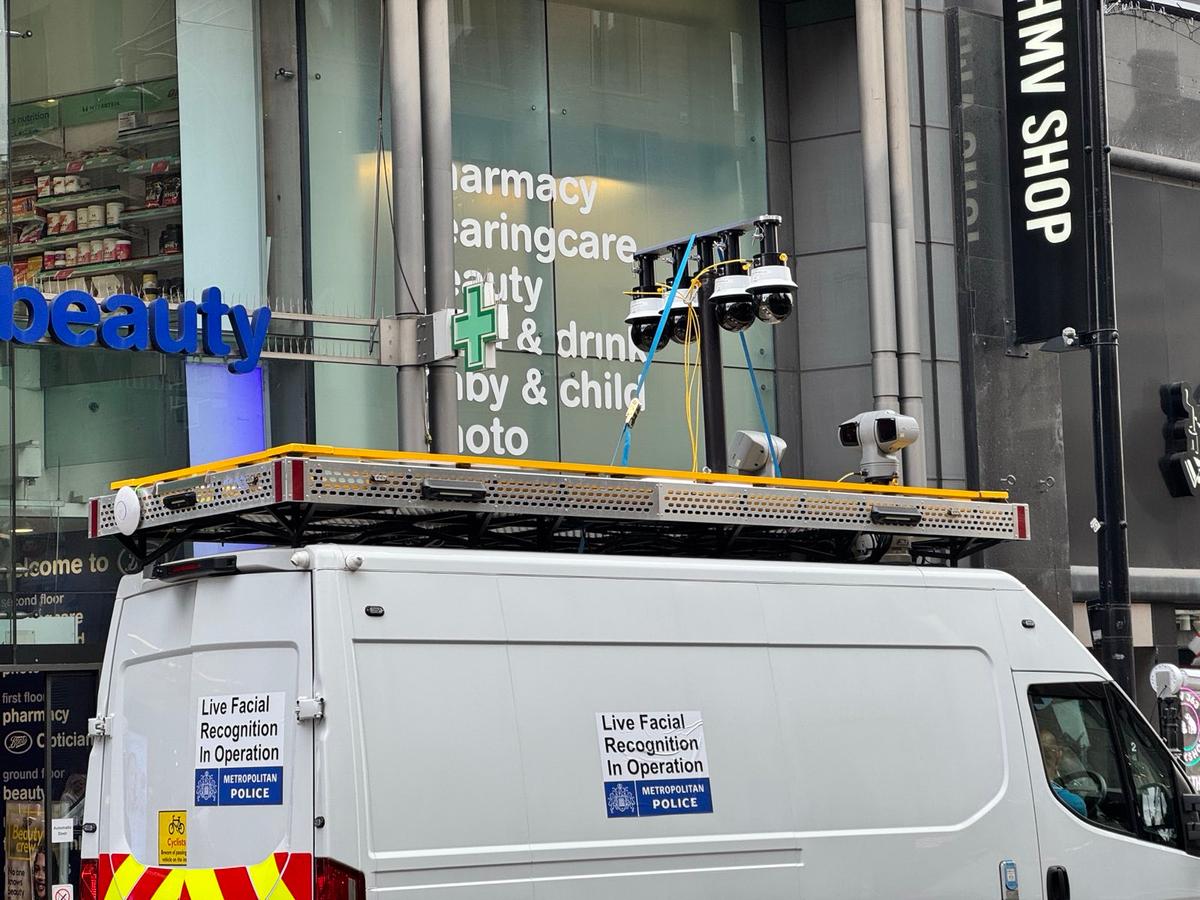
Daily Mail – AI Facial Recognition Wrongly Flags a Software Engineer and Midwife as Criminals
Key Takeaways
- •Software engineer arrested after false match in Southampton
- •Midwife detained after B&M shop's live facial scan
- •Facial‑recognition trained on predominantly white datasets
- •Incidents raise liability and privacy risks for retailers
- •Regulators urged to tighten AI surveillance oversight
Pulse Analysis
The recent arrests of Alvi Choudhury and Rennea Nelson illustrate how live facial‑recognition technology can malfunction with real‑world consequences. Both individuals were misidentified by systems that scan crowds in public spaces and retail environments, leading police to act on erroneous matches. Advocacy group Big Brother Watch points out that many of these algorithms are built on data sets lacking diversity, which skews accuracy toward lighter‑skinned faces and amplifies the chance of false positives. This bias not only jeopardizes personal freedoms but also places businesses at risk of costly lawsuits and reputational damage.
Retailers and law‑enforcement agencies have been quick to adopt facial‑recognition tools, attracted by promises of faster identification and theft prevention. However, the wrongful detentions in Southampton and Essex underscore a growing tension between operational efficiency and civil liberties. Companies that deploy such technology must now grapple with potential legal exposure, insurance premiums, and consumer backlash. As public awareness rises, businesses are being pressured to implement stricter verification protocols, invest in bias‑mitigation training data, or consider alternative, privacy‑preserving solutions.
Governments in the UK and across Europe are responding with tighter regulatory frameworks, such as the UK’s proposed AI Regulation and the EU’s AI Act, which classify high‑risk biometric systems and demand transparency, impact assessments, and human oversight. These measures aim to curb unchecked surveillance while fostering responsible AI innovation. For vendors, compliance will likely drive a shift toward more transparent models and robust auditing tools, creating new market opportunities for firms that can demonstrate ethical AI practices. The fallout from these cases may ultimately shape the future trajectory of facial‑recognition deployment in both public and private sectors.
Daily Mail – AI facial recognition wrongly flags a software engineer and midwife as criminals
Comments
Want to join the conversation?