Companies Mentioned
Why It Matters
Undisclosed data‑center projects can impose hidden utility costs and deliver minimal local benefits, undermining community trust and fiscal responsibility. Legislative action to curb NDAs aims to restore public oversight and ensure that AI‑driven infrastructure serves broader economic interests.
Key Takeaways
- •NDAs hide data center owners, power and water usage.
- •Ten states propose bans or limits on development NDAs.
- •Pima County, AZ set precedent limiting NDA duration and scope.
- •Transparency boosts competition, improves public deals.
- •AI-driven data centers strain utilities, offer few local jobs.
Pulse Analysis
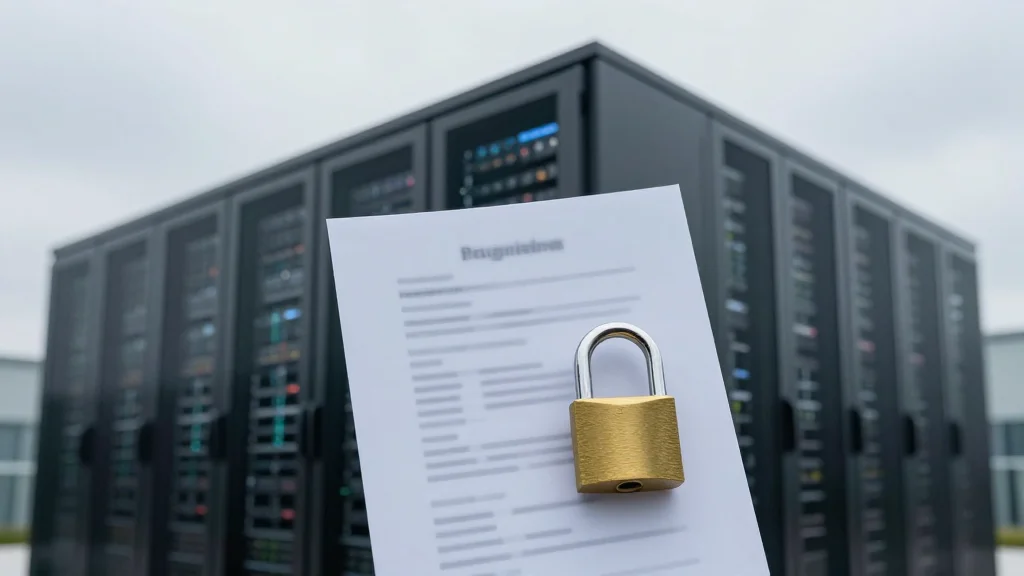
The rapid expansion of AI‑powered data centers has sparked a transparency crisis, as developers lean on nondisclosure agreements to keep critical information out of public view. By shielding details such as water usage, electricity demand, and subsidy amounts, NDAs make it nearly impossible for municipalities to assess environmental impact or negotiate favorable terms. This secrecy not only erodes public trust but also enables developers to secure generous economic incentives without rigorous scrutiny, often resulting in projects that deliver limited local employment and inflated utility costs.
State policymakers are pushing back, introducing bills in at least ten states to either ban NDAs outright or restrict the scope of information they can conceal. Arizona’s Pima County set an early example by limiting both the duration and content of NDAs, ensuring that power and water consumption figures are disclosed. Similar proposals in Minnesota, Wisconsin, and New York enjoy bipartisan support, reflecting a growing consensus that community input is essential for responsible economic development. These legislative moves aim to level the playing field, allowing multiple bidders to compete transparently and giving taxpayers leverage to secure better deals.
For businesses, the shift toward greater openness presents both challenges and opportunities. While developers may lose the ability to negotiate behind closed doors, they gain credibility and the potential for smoother permitting processes when communities feel informed and involved. Transparent negotiations can also highlight genuine benefits—such as reliable broadband access or renewable‑energy partnerships—enhancing the long‑term value proposition of data‑center projects. Ultimately, balancing proprietary concerns with public right‑to‑know will shape the future landscape of AI infrastructure investment.
Data Centers and the Abuse of Secrecy
Comments
Want to join the conversation?
Loading comments...